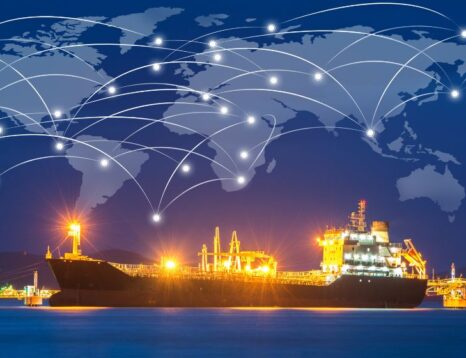
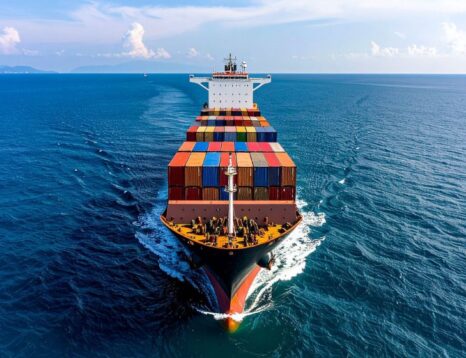
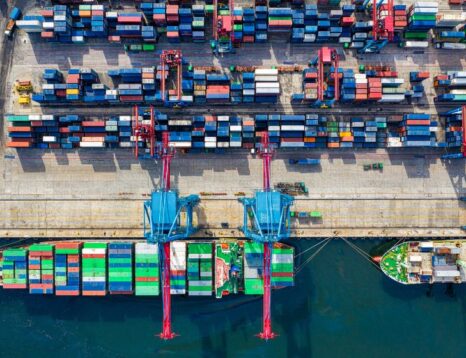
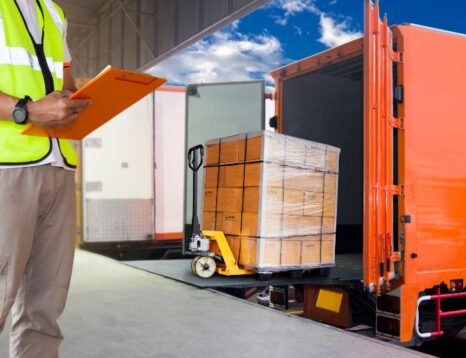
European ports are among the busiest and most strategically important in the world, forming essential nodes in global shipping routes and maritime logistics. Facilities like Rotterdam, Antwerp-Bruges, Hamburg, Valencia, and Piraeus play central roles in connecting Europe with Asia, the Americas, and Africa.
But what would happen if vessel traffic suddenly doubled?
The implications would ripple far beyond the docks, affecting everything from port congestion to supply chain performance across the continent.
1. Surge in Port Congestion
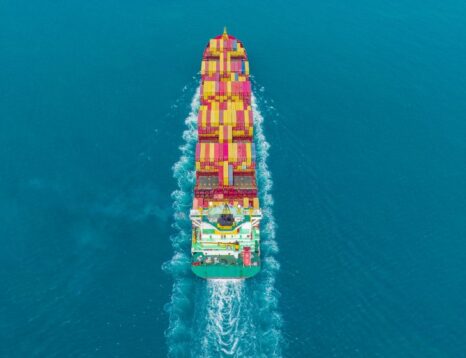
The most immediate impact of doubled vessel arrivals would be severe port congestion. Many major European ports already operate near capacity during peak seasons. An unexpected influx of container ships, bulk carriers, and tankers would overwhelm available berths, anchorage areas, and docking schedules.
Ships could face long waiting times—possibly stretching from hours into days or weeks. This congestion would not only disrupt container shipping in Europe but also increase operational costs for carriers, who would burn fuel while idling or be forced to divert to alternative ports.

2. Slower Cargo Handling and Terminal Bottlenecks
Cargo handling operations depend heavily on space, labor availability, terminal equipment, and yard organization. Doubling vessel traffic means a proportional increase in containers, bulk materials, vehicles, and liquid cargo arriving simultaneously.
Ports would struggle with:
- Limited yard space for stacking containers
- Insufficient cranes and handling equipment with customs and airport systems
- Overburdened automated systems and IT infrastructure
- Terminal workforce shortages
This would lead to slower cargo unloading and loading, impacting port efficiency and creating backups throughout terminal operations.
3. Increased Shipping Delays Across Europe
As a result:
Shipping delays in Europe would become widespread. When containers pile up in marine terminals, intermodal connections—such as rail freight , trucking, and inland waterways—also get clogged.
A single delayed ship can affect delivery schedules across dozens of countries. Now multiply that by hundreds of delayed vessels.
- Rail terminals could experience overcapacity issues
- Trucking companies might face long queues and appointment delays
- Warehouses would be forced to handle irregular delivery flows
The entire chain from ship to shelf would slow down, affecting both businesses and consumers.
4. Supply Chain Disruptions and Rising Costs
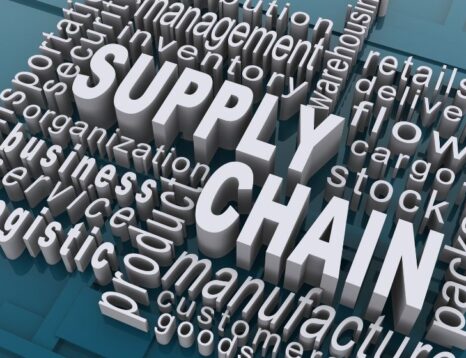
A doubling in shipping traffic would strain Europe’s supply chain at every link. Manufacturing and retail sectors, already sensitive to delays, would experience shortages of raw materials, components, and finished products.
Impacts could include:
- Longer lead times for manufacturers
- Reduced inventory turnover for retailers
- Higher shipping and logistics costs passed to consumers
- Increased pressure on just-in-time systems
In industries like automotive, electronics, pharmaceuticals, and food, even short disruptions can lead to production stoppages or spoilage. With prolonged congestion, Europe could face continent-wide supply chain instability.
5. Environmental and Sustainability Challenges
European ports are investing heavily in greener logistics, but doubling vessel traffic would strain their environmental management systems.
Key sustainability concerns would include:
- Increased emissions from idling vessels
- Higher energy consumption at terminals
- Potential spills or maritime accidents due to crowded sea lanes
- Greater noise and air pollution affecting local communities
This sudden surge would test Europe's green transition goals and require rapid adaptation.

6. Infrastructure Stress and the Need for Expansion
Most ports cannot instantly accommodate a 100% increase in vessel arrivals. Infrastructure—berths, cranes, storage areas, and hinterland connections—would be stretched to their limits.
To handle sustained increases, ports would need:
- Expanded terminals and quay walls
- Additional deep-water berths
- Improved digital traffic management
- Increased investment in cranes and automation
- Upgraded road, rail, and inland waterway links
However, such infrastructure projects take years to plan and complete, meaning short-term chaos would likely precede any long-term improvements.
7. Rise of Secondary and Alternative Ports
As major hubs become congested, carriers would reroute vessels to smaller or emerging European ports. This redistribution could create opportunities for ports in the Baltics, the Adriatic region, or the Mediterranean to capture new traffic.
However, many smaller ports lack the capacity or advanced container handling systems needed for sudden surges, meaning they too could quickly become overwhelmed.
8. Increased Demand for Digitalization and Smart Port Solutions
Faced with doubled traffic, European ports would accelerate their adoption of smarter digital tools to enhance port efficiency.
These could include:
- AI-based berth allocation
- Real-time vessel traffic management
- Automated container tracking
- Predictive analytics for peak congestion
Digital customs and documentation
Smart port technology would be essential to optimizing vessel arrivals and streamlining cargo flow.
9. Labor Market Pressure
A sharp increase in vessel arrivals would require more workers across all maritime logistics roles—from crane operators to customs officers. But ports already face labor shortages, particularly for specialized roles.
This mismatch could lead to:
While long-term infrastructure expansion and digital innovation could eventually restore balance, the short-term effects would be significant. This scenario highlights how vital efficient, resilient European ports are to the global economy—and how vulnerable they become when demand exceeds capacity.
- Longer processing times
- Labor disputes or wage pressure
- Automated container tracking
- Operational delays due to understaffing Automated systems can help, but not immediately.
Organizations that fail to digitize will face higher costs, slower processing times, and competitive disadvantages.

Conclusion
If vessel traffic at European ports suddenly doubled, the entire maritime logistics network would face intense strain. Port congestion, cargo handling delays, shipping disruptions, and supply chain instability would ripple across Europe, affecting businesses, consumers, and global trade routes alike.
A doubling in shipping traffic would strain Europe’s supply chain at every link. Manufacturing and retail sectors, already sensitive to delays, would experience shortages of raw materials, components, and finished products.