Amazon has become one of the most powerful e-commerce platforms in the world, offering sellers access to millions of customers. However, success on Amazon is not just about listing products—it also depends heavily on choosing the right fulfillment method. Sellers typically choose between Fulfillment by Amazon (FBA) and Fulfillment by Merchant (FBM). Each option has its own advantages and disadvantages, influencing costs, logistics, customer experience, and overall profitability. Understanding these differences is essential for sellers aiming to build a sustainable and competitive Amazon business.
Overview of Fulfillment by Amazon (FBA)
Fulfillment by Amazon (FBA) allows sellers to outsource their storage, packing, shipping, and customer service to Amazon. Sellers send their inventory to Amazon’s fulfillment centers, and once an order is placed, Amazon handles the entire order fulfillment process. This includes delivery, returns, and customer support.
One of the most significant benefits of FBA is access to Amazon’s advanced logistics network. Amazon has warehouses and distribution centers across multiple regions,
enabling fast and reliable shipping. As a result, FBA products are often delivered within one or two days, meeting customer expectations for speed and convenience.
Another major advantage is Prime eligibility. FBA listings automatically qualify for Amazon Prime, which increases visibility and trust among customers. Prime members are more likely to purchase products that offer free and fast shipping, giving FBA sellers a competitive edge. To learn more about how Prime impacts buyer behavior, you may explore our internal guide on Amazon Prime selling strategies.

Disadvantages of Fulfillment by Amazon
Despite its benefits, FBA is not without drawbacks. One of the biggest concerns for sellers is storage and warehousing costs. Amazon charges monthly storage fees, which increase during peak seasons. Additionally, long-term storage fees apply to inventory that remains unsold for extended periods. These costs can quickly reduce profit margins, especially for sellers with slow-moving products.
Another limitation is reduced seller control. Since Amazon manages shipping, packaging, and customer communication, sellers have little influence over branding or customer interaction. For businesses that want customized packaging or direct customer relationships, this can be a disadvantage.
Overview of Fulfillment by Merchant (FBM)
Fulfillment by Merchant (FBM) places full responsibility for fulfillment on the seller. This means the seller handles inventory storage, packaging, shipping and handling, and customer service and returns. While this requires more effort, it provides greater flexibility and control.
One of the main advantages of FBM is cost management. Sellers avoid Amazon’s storage and fulfillment fees, which can be especially beneficial for large, heavy, or low-margin products. Sellers who already have warehouses or efficient shipping systems often find FBM more economical. You can read more about cost-saving fulfillment methods in our internal article on e-commerce inventory management.
FBM also offers higher levels of seller control. Sellers can choose shipping carriers, customize packaging, and manage customer interactions directly. This is ideal for brand-focused businesses that prioritize customer loyalty and personalized experiences.
Disadvantages of Fulfillment by Merchant
The primary challenge of FBM is the workload. Managing order fulfillment independently requires time, staff, and operational expertise. Sellers must ensure timely deliveries, accurate packaging, and effective customer communication. Any delays or errors can negatively affect seller ratings and customer satisfaction.
Another drawback is limited Prime eligibility. While FBM sellers can qualify for Seller Fulfilled Prime under strict conditions, most FBM listings do not carry the Prime badge. This can reduce visibility and competitiveness, particularly in crowded marketplaces. For more insights on improving FBM performance, see our internal resource on Amazon seller performance metrics.

Comparison of Amazon Logistics and Shipping Efficiency
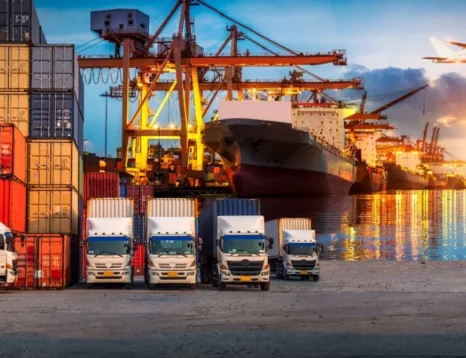
Amazon’s logistics system is a major strength of FBA. With automated warehouses and optimized delivery routes, Amazon ensures consistent shipping performance. This reliability reduces the risk of late deliveries and negative reviews.
In contrast, FBM sellers depend on third-party carriers or in-house logistics. While this offers flexibility, it also introduces risks such as shipping delays or higher costs. Sellers must carefully manage shipping and handling to meet Amazon’s performance standards and customer expectations.
Customer Service and Returns Management
With FBA, Amazon handles customer service and returns, which significantly reduces the seller’s workload. Amazon’s established return system builds trust with customers, making them more comfortable with purchasing.
FBM sellers, however, must manage returns themselves. While this allows more personalized service, it can be time-consuming and costly. Sellers must also ensure that return policies align with Amazon’s requirements to avoid account issues.
Impact on Profit Margins
Both fulfillment methods affect profit margins differently. FBA often increases sales volume due to Prime eligibility and faster delivery, but higher fees can reduce net profits. FBM typically offers better margins for sellers who can manage logistics efficiently, but it may limit scalability and sales growth.
Many experienced sellers adopt a hybrid approach, using FBA for fast-moving products and FBM for bulky or niche items. This strategy balances cost efficiency with customer reach.

Conclusion
Choosing between Fulfillment by Amazon (FBA) and Fulfillment by Merchant (FBM) depends on a seller’s business model, resources, and long-term goals. FBA offers convenience, scalability, and access to Amazon’s powerful logistics network, making it ideal for sellers focused on growth and efficiency. FBM, on the other hand, provides greater control and lower fulfillment costs, making it suitable for sellers who prioritize branding and cost management.
By carefully evaluating factors such as storage costs, shipping responsibilities, customer service, and profit margins, sellers can select the fulfillment method—or combination of methods—that best supports their success on Amazon.