The movement of project cargo across international borders requires careful planning, coordination, and execution at every stage of the shipment. For complex cargo moving from Asia to Latin America, every part of the process—from factory pickup to final delivery—needs to be managed with precision.
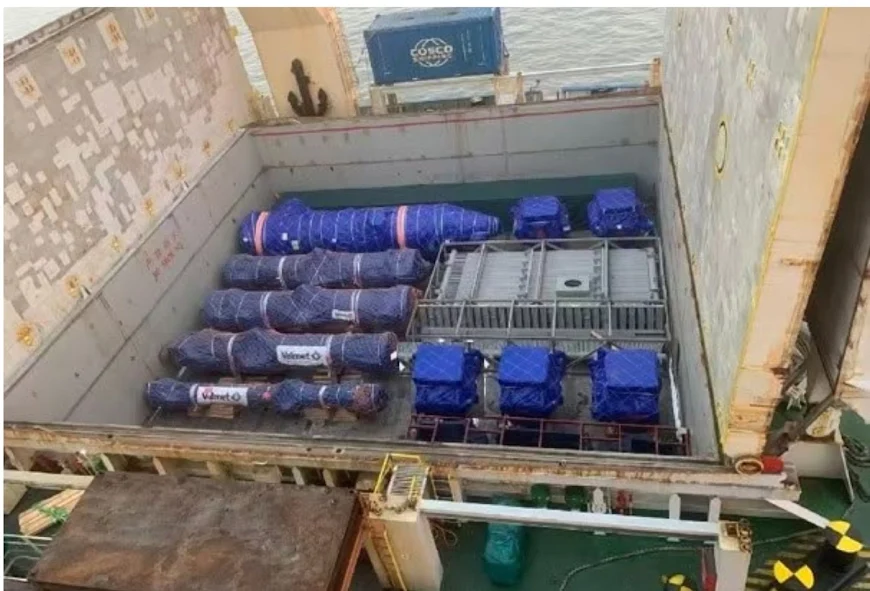
The PGS Project Team China recently handled another project cargo movement from Zhangjiagang, China, to Paranaguá, Brazil, supporting the transportation of a heavy and high-volume package through a breakbulk solution.
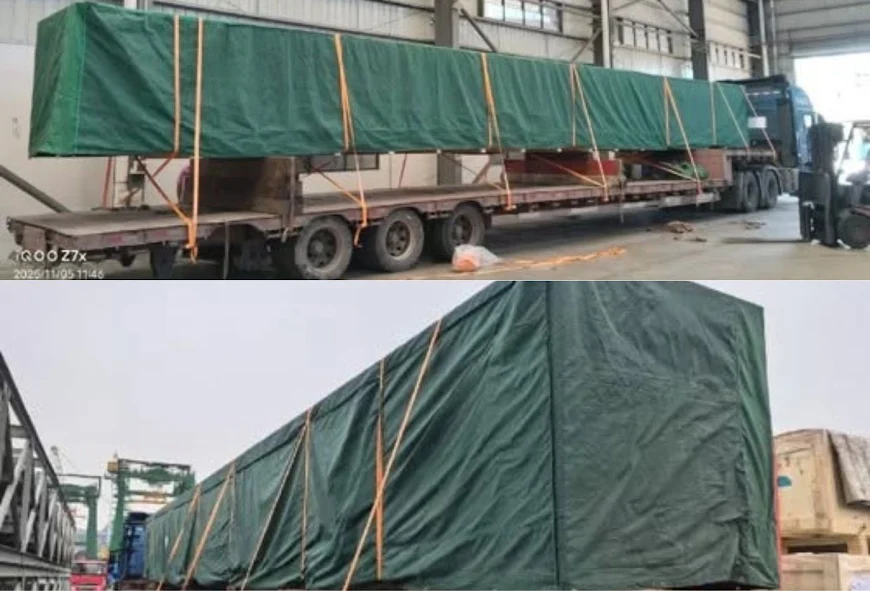
The shipment involved one package weighing 9,170 kg with a total volume of 49.974 CBM. The cargo was transported from the factory in China through to the end customer in Brazil, with the PGS Project Team managing the project from the initial budgetary stage through the transportation process.
Project Cargo Shipment from China to Brazil
The latest project involved the movement of cargo along the following route:
Origin: Zhangjiagang, China
Destination: Paranaguá, Brazil
Cargo: 1 package
Weight : 9,170 kg
Volume: 49.974 CBM
Service: Breakbulk transportation from factory to end customer
With its combination of considerable weight and volume, the shipment required a transportation approach suitable for project cargo rather than standard containerized freight.
The PGS Project Team China arranged the shipment using a breakbulk transportation solution, supporting the movement from the originating factory through to the final customer in Brazil.
Managing the Shipment from Factory to Final Customer
Project cargo transportation is not limited to moving cargo between two ports. The process often involves several connected stages that need to work together to keep the shipment moving smoothly.
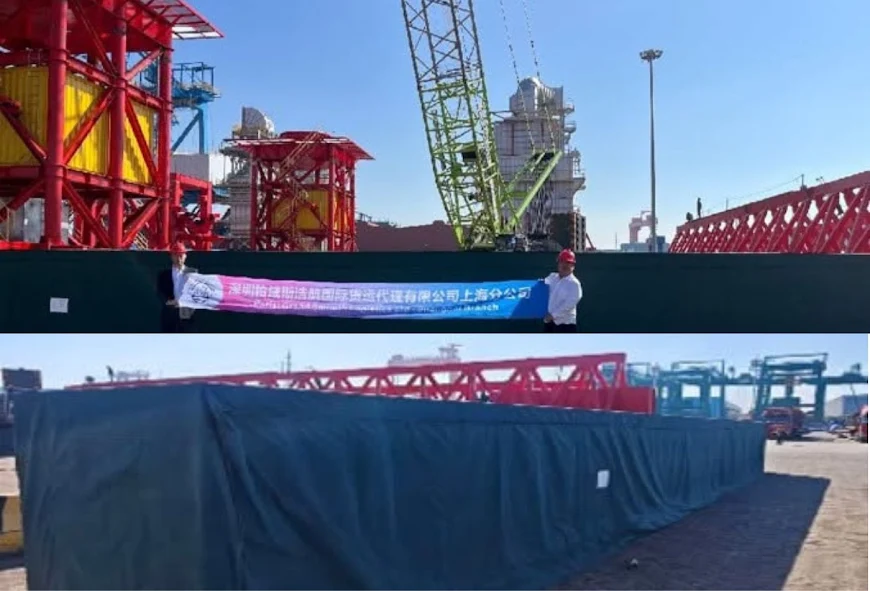
For this shipment, the PGS Project Team managed the entire project from the initial budgetary stage. This provided a coordinated approach to the transportation requirements before the cargo began its international journey.
Managing the project from an early stage also allows the logistics team to understand the cargo requirements, transportation route, and delivery expectations before execution.
For international project cargo, this level of planning can be particularly important when cargo dimensions, weight, handling requirements, and destination arrangements need to be considered together.
Breakbulk Transportation for Project Cargo
Breakbulk transportation provides an effective solution for cargo that may not be suitable for conventional container shipping.
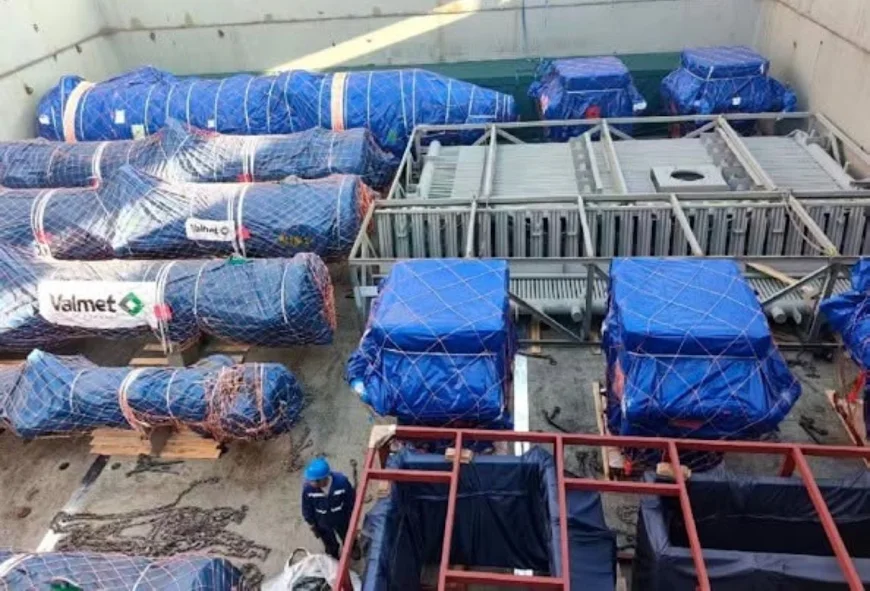
Instead of placing cargo inside a standard container, breakbulk cargo can be handled as individual units depending on the nature, size, weight, and transportation requirements of the shipment.
In this case, the shipment consisted of one package weighing 9,170 kg and measuring 49.974 CBM in volume. The selected breakbulk solution supported the movement of the cargo from the factory in Zhangjiagang to the end customer in Paranaguá.
The ability to select an appropriate transportation method is an important part of project logistics. Different cargoes can require different approaches, and the logistics plan needs to reflect the characteristics of each individual shipment.
Supporting China–Latin America Project Cargo Movements
China continues to play an important role in global manufacturing and international supply chains, while Latin America remains an important destination for industrial and project-related cargo.
The movement from Zhangjiagang, China, to Paranaguá, Brazil, is another example of how project cargo connects manufacturing locations in Asia with customers and projects in Latin America.
For freight forwarders and project logistics teams, these shipments require more than simply arranging international transportation. They involve understanding the cargo, coordinating the movement, and maintaining communication across the different stages of the shipment.
The PGS Project Team China continues to support such requirements by providing project transportation solutions tailored to individual cargo movements.
Why Project Cargo Requires Careful Coordination
Every project cargo shipment can have its own requirements. Cargo weight, volume, packaging, handling, transportation method, origin facilities, destination arrangements, and delivery expectations can all influence the logistics plan.
For this reason, project logistics generally starts well before the physical movement of the cargo.
Budgetary planning is an important first step because it allows the logistics team and customer to establish an initial understanding of the transportation requirements and expected costs.
Once the project moves forward, the transportation plan can then be coordinated around the specific cargo and delivery requirements.
For a shipment moving between China and Brazil, coordination becomes even more important because of the international distance involved and the number of logistics stages connected to the movement.
From Initial Planning to Final Delivery
The latest shipment demonstrates the importance of having a project logistics team involved throughout the transportation process.
From the initial budgetary stage to the movement of the cargo, the PGS Project Team China handled the project as an integrated transportation requirement rather than treating individual stages separately.
This approach helps create a clearer flow of responsibility and communication throughout the shipment.
For customers handling project cargo, having a dedicated project team can make it easier to discuss transportation requirements, evaluate suitable solutions, and coordinate the shipment according to the characteristics of the cargo.
PGS Project Team China: Project Logistics Support
The latest movement from Zhangjiagang to Paranaguá adds another project cargo shipment to the international transportation activity managed by the PGS Project Team China.
With 9,170 kg of cargo and 49.974 CBM of volume, the shipment demonstrates the type of specialized transportation requirement that can be managed through a project-focused logistics approach.
Whether the requirement involves an initial budgetary request, transportation planning, or the movement of cargo from the factory to the final customer, early coordination is essential for project shipments.
The PGS Project Team is available to discuss project cargo transportation requirements and provide support based on the specific needs of each shipment.
Need Support for Your Project Cargo?
If you have a project cargo requirement involving China, Brazil, Latin America, or another international destination, the PGS Project Team can discuss your transportation requirements and provide project logistics support.
For project cargo requests or consulting purposes, contact the PGS Project Team at inquiry@parisigs.com
Frequently Asked Questions
The shipment moved from Zhangjiagang, China, to Paranaguá, Brazil, supporting the transportation of project cargo from the originating factory to the end customer.
The shipment consisted of 1 package weighing 9,170 kg with a total volume of 49.974 CBM.
The shipment was handled through breakbulk transportation, supporting the movement of the cargo from the factory in China to the end customer in Brazil.
Breakbulk transportation can be used for individual cargo units that may not be suitable for conventional containerized transportation. The appropriate solution depends on factors such as the cargo's weight, dimensions, volume, handling requirements, and destination.
Customers can contact the PGS Project Team for project cargo requests or consulting purposes by emailing inquiry@parisigs.com. The team can discuss the shipment requirements and help determine an appropriate transportation approach.