In 2026, the Amazon marketplace is experiencing a clear shift from rapid expansion to controlled and strategic growth. Unlike previous years, where large numbers of new sellers entered the platform quickly, the current landscape reflects a more mature and competitive
Sustainability is now a core priority in the global logistics industry. Businesses across supply chains are actively working to reduce carbon emissions, meet environmental regulations, and adopt greener transportation methods. Freight companies are no longer treating sustainability as a future
Global trade depends heavily on safe and predictable shipping routes. However, ongoing tensions and conflicts in the Middle East have introduced significant challenges for the global freight industry.
From rising shipping costs to supply chain instability, the disruption of critical
The European Union’s Carbon Border Adjustment Mechanism (CBAM) is one of the most significant climate policy tools introduced in recent years. Designed to prevent carbon leakage and ensure fair competition, CBAM places a carbon cost on certain imported goods entering
For decades, freight forwarders focused on what they do best: moving large volumes of goods across borders, ports, and distribution centers. Their world revolved around containers, pallets, and bulk shipments—primarily business-to-business (B2B) transactions. But today’s logistics landscape is shifting rapidly.
Trade between Asia and Latin America is no longer a secondary corridor in global logistics—it’s a strategic artery. As companies rethink sourcing models, diversify supply chains, and respond to geopolitical pressures, the Asia–Latin America trade lanes are gaining renewed attention.
The global surge in online shopping has done more than change the way people buy products — it has fundamentally transformed the logistics and transportation industry. From small independent sellers to multinational brands, businesses are now competing in a fast-paced
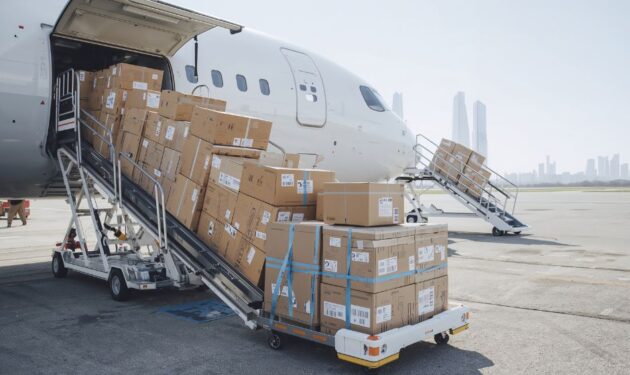
As 2026 unfolds, the global air freight industry is no longer in recovery mode—it is firmly in transformation. What began as post-pandemic stabilization has evolved into a new operating reality defined by capacity recalibration, sustainability pressure, and relentless e-commerce growth.
Africa is undergoing a quiet but powerful logistics transformation. Driven by infrastructure investment, trade integration, and rising demand for industrial and consumer goods, the Africa logistics market growth story is reshaping how freight moves across the continent.
The expansion of BRICS into a broader BRICS+ bloc marks one of the most consequential shifts in the global trade and logistics landscape in decades. What began as a loose economic grouping of Brazil, Russia, India, China, and South Africa