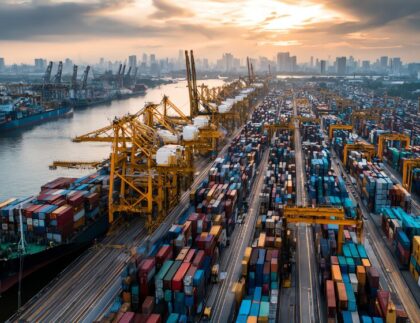
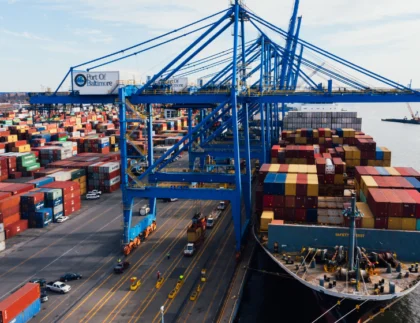
Ethics in freight contract negotiations are not just a matter of compliance—they're the foundation for trust, long-term business relationships, and sustainable growth across air freight, land freight, and water freight sectors, including specialized services like FBA (Fulfilment by Amazon).
With global supply chains becoming increasingly complex, ethical logistics practices are essential for ensuring fair freight contracts, transparency in negotiations, and sustainable contract terms that uphold supply chain ethics at every step.
Why Ethics Matter in Freight Negotiations
Ethical behaviour in freight negotiations not only guarantees fair and open treatment of shippers, carriers, brokers, and end customers, but also brings a host of benefits. This strategy increases trust, lowers conflict, and creates a reputation that draws in long-term partners.
It's a win-win situation, where moral negotiation techniques are essential for reducing risks and guaranteeing dependable, seamless delivery in air, land, and ocean freight, where agreements frequently entail substantial monetary obligations and operational dependencies.
Building Trust and Long-Term Relationships
Trust is the cornerstone of ethical :behavior in contract negotiations. It builds trust between parties, enabling open communication and collaboration. This trust is especially vital in logistics, where delays or breaches can have cascading effects throughout the supply chain.
Repeat Business: When companies act ethically, partners are more likely to return for future business. This is not just a matter of transactions, but a testament to the value of ethical negotiations. Partners return, knowing they will be treated fairly and transparently, making them an integral part of the process.
Reputation Management: Upholding high ethical standards protects a company's reputation, which is increasingly important as consumers and stakeholders demand responsible supply chain practices.

Key Principles of Ethical Freight Contract Negotiations
1. Transparency in Negotiations
Transparency is a cornerstone of ethical logistics practices. Parties should disclose all relevant information, including rates, surcharges, service levels, and potential conflicts of interest. This prevents misunderstandings and ensures agreements are made with full knowledge of the terms.
Transparency aligns with ethical business practices, but its implementation requires balance to avoid undermining the value each party brings to the transaction.
2. Fair Freight Contracts
Ethical negotiations prioritize fair and reasonable terms for all parties. This means voiding exploitative clauses, hidden fees, or one-sided advantages. Fair contracts are more likely to be honoured, reducing the risk of disputes and fostering positive, long-term relationships.
3. Honesty and Integrity
Negotiators must refrain from misrepresenting facts, making false promises, or using deceptive tactics. Honesty and integrity ensure that contracts are legally sound and morally robust, supporting mutual respect and ongoing cooperation.
4. Respect for Confidentiality
Sensitive information shared during negotiations-such as pricing structures, client lists, or operational capabilities-should be protected. Respecting confidentiality builds confidence and encourages open dialogue, essential for crafting effective logistics solutions.
5. Compliance and Legal Obligations
Ethical freight contracts comply with all relevant laws and regulations, including labour, environmental standards, and industry-specific requirements. This reduces the risk of legal challenges and demonstrates a commitment to responsible business practices.
The Role of Ethics in Different Freight Modes
Air Freight
- High-value and time-sensitive shipments demand strict adherence to ethical standards to prevent losses, delays, or regulatory breaches.
- Transparent rate structures and clear communication about surcharges (fuel or security fees) are critical for fair negotiations.
Land Freight
- Land freight contracts often involve multiple subcontractors, making transparency and fairness even more critical to avoid disputes over payment or service levels.
- Compliance with labour laws and environmental regulations is essential for sustainable operations.
Sea Freight
- Sea freight contracts can be complex, involving international regulations and multiple stakeholders.
- Ethical practices, such as fair demurrage terms and clear communication about route risks (e.g., piracy or weather delays), help prevent costly misunderstandings.
FBA (Fulfilment by Amazon)
- FBA logistics require strict adherence to Amazon's standards and timelines. Ethical negotiations ensure that service providers can meet these requirements without resorting to shortcuts or unethical practices.
- Transparent agreements help avoid penalties and maintain eligibility for FBA programs.
Integrating Sustainability and Supply Chain Ethics
Sustainable contract terms are becoming a key part of ethical logistics practices. Companies increasingly include sustainability clauses in freight contracts, such as requirements for reduced emissions, use of alternative fuels, or commitments to ethical sourcing and labour practices.
- Setting Sustainability Targets: Contracts can specify targets for fuel efficiency, emissions reductions, or the adoption of renewable energy in transportation fleets.
- Ethical Sourcing: Ensuring all materials and services are sourced responsibly, respecting labour rights and environmental standards, and strengthening the supply chain.
- Community Engagement: Supporting local communities and respecting cultural and ecological considerations creates goodwill and enhances supply chain resilience.
The Business Case for Ethical Logistics Practices
- Competitive Advantage: Companies known for ethical practices attract better partners, more loyal customers, and top talent.
- Risk Mitigation: Ethical contracts reduce the risk of legal disputes, regulatory penalties, and reputational damage.
- Operational Resilience: Fair treatment of partners and employees leads to lower turnover, higher productivity, and more reliable service delivery 10.
Practical Steps for Ethical Freight Contract Negotiations
- Adopt Clear Codes of Conduct: Establish internal guidelines that define acceptable negotiation practices and contract terms.
- Collaborate with Stakeholders: Engage suppliers, customers, and industry peers to share best practices and drive collective improvement.
- Leverage Technology for Transparency: Use digital platforms to track shipments, share real-time data, and ensure accountability at every stage.
- Regular Training: Educate negotiation teams on ethical standards, legal requirements, and cultural sensitivities to ensure consistent application.

Conclusion
Ethics in freight contract negotiations is not a box to tick—it's a strategic imperative that underpins trust, efficiency, and sustainability in air freight, land freight, water freight, and FBA logistics.
By prioritizing ethical logistics practices, fair freight contracts, negotiation transparency, and sustainable contract terms, companies can build resilient supply chains that benefit all stakeholders and stand the test of time.