
As the global transportation sector moves toward electrification, electric trucks (EV trucks) are rapidly gaining traction.
With their promise of reduced emissions and lower operating costs, EV trucks are emerging as a viable alternative to traditional diesel-powered freight vehicles.
However, for developing regions, the road to widespread adoption is riddled with challenges—chief among them is the lack of adequate charging infrastructure.
This article delves into the major hurdles faced by developing countries in building commercial EV truck charging networks and explores practical solutions to close this infrastructure gap.
The Promise and Pressure of EV Truck Adoption
Electric trucks, especially in the heavy-duty and commercial freight sectors, offer long-term benefits like reduced greenhouse gas emissions, quieter operations, and lower maintenance costs.
For developing nations, where air pollution and urban congestion are pressing concerns, the shift to electric freight vehicles presents an opportunity to tackle multiple challenges simultaneously.
Yet, this transition comes with unique roadblocks. Unlike passenger EVs, electric trucks require robust and often high-powered charging stations, which are largely absent in these regions.
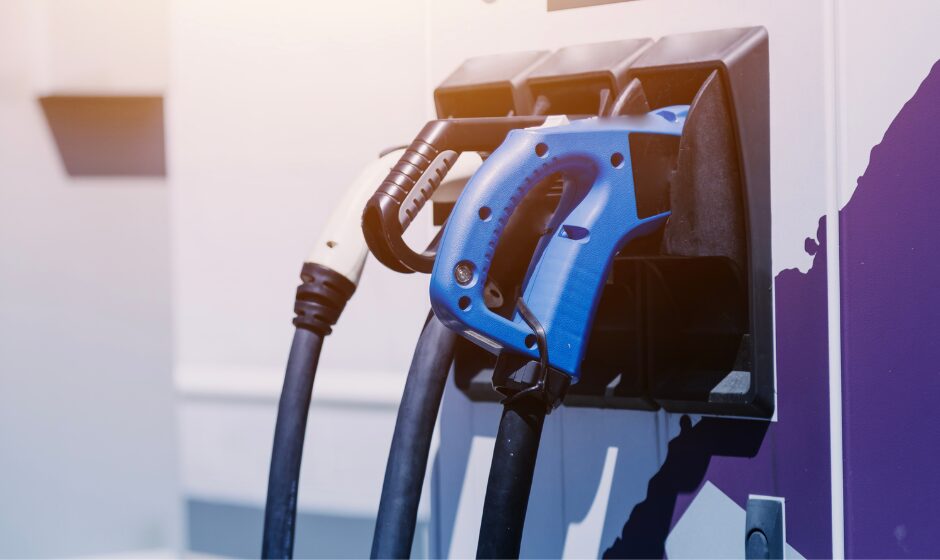
Infrastructure Gaps Holding Back Progress
The electric vehicle infrastructure gap is particularly stark in many parts of Asia, Africa, and Latin America.
Rural logistics networks, long freight corridors, and limited power grids present tough terrain for EV integration.
Key challenges include:
- Sparse Charging Stations: Most developing countries have yet to build out a basic EV charging network, let alone specialized commercial EV charging stations capable of serving heavy-duty vehicles.
- Limited Grid Capacity: Many areas still struggle with basic electricity access or frequent power outages, making high-capacity EV truck charging a significant burden on the power grid.
- High Upfront Costs: Building fast-charging hubs for EV trucks is capital-intensive, requiring significant public and private investment—often lacking in lower-income regions.
Logistics Electrification Challenges
Electrifying freight fleets goes beyond installing a few chargers. It demands a complete overhaul of how logistics companies operate.
Developing regions face several logistics electrification challenges, including:
- Route Optimization: EV trucks have limited range compared to diesel trucks. This creates EV truck range anxiety, especially in countries where charging points are few and far between.
- Fleet Management Complexity: Transitioning an entire fleet means retraining staff, installing on-site chargers, and managing new energy logistics..
- Vehicle Availability: Most commercial EV models are designed for developed markets and may not be suitable for harsh road conditions or high-temperature climates found in many developing regions.
Range Anxiety: A Major Roadblock
Range anxiety isn’t just a concern for passenger EVs. For fleet managers, the fear of running out of charge in a remote area can deter investment in electric trucks altogether.
Without reliable charging points on long-haul routes, logistics companies in developing nations may be forced to keep their electric trucks confined to urban centers, severely limiting the technology’s potential.
Solutions to this include:
- Battery Swapping Stations: Though still a developing concept, battery swapping can minimize downtime and help ease range-related concerns.
- Smart Route Planning Tools: GPS-based software integrated with charging station maps can help drivers better plan rest stops and charging breaks.
- On-Site Renewable Charging: Solar-powered charging stations at logistics hubs can ensure trucks start each journey fully charged.
The Role of Renewable Energy in Charging Infrastructure
A key advantage for developing countries is their potential to leapfrog to cleaner energy models.
Renewable energy for EV trucking, such as solar- or wind-powered charging hubs, can reduce reliance on unstable grids and fossil fuels.
For instance:
- Rural Solar Microgrids: These can power both local communities and EV truck charging stations, offering a dual-benefit model.
- Public Transport Integration: Shared infrastructure between electric buses and freight trucks can increase utilization and reduce costs.
By combining EV truck charging infrastructure development with renewable energy initiatives, governments can promote sustainable growth while lowering emissions.
The Importance of Public-Private Partnerships
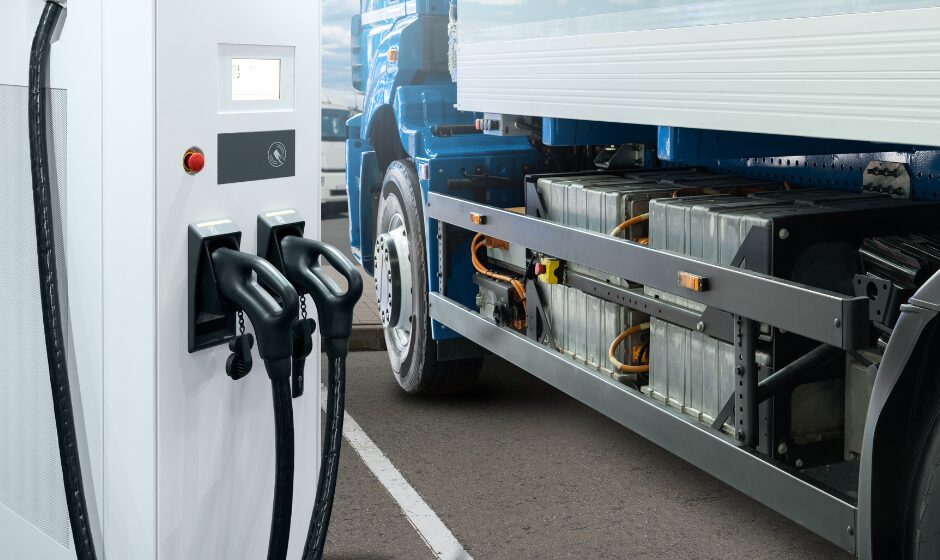
Building out a nationwide charging network for heavy-duty electric vehicles is a monumental task. Public-private EV infrastructure partnerships are crucial to address financing gaps, share technological expertise, and accelerate deployment.
Examples of collaboration could include:
- Government Incentives: Subsidies, tax rebates, and land grants for companies investing in EV infrastructure.
- Utility Company Support: Collaboration with power providers to ensure charging stations have access to consistent, high-capacity electricity.
- Foreign Investment: International organizations and climate funds can play a role in funding EV infrastructure in developing nations.
Fleet Electrification in Developing Nations: A Gradual Shift
For most developing countries, fleet electrification will not happen overnight. It requires a phased approach that addresses short-term barriers while laying the groundwork for long-term success.
Phases might include:
- Pilot Projects: Small-scale EV truck trials in urban areas to test feasibility.
- Urban Deployment First: Focus on city logistics and last-mile delivery where charging infrastructure can be more easily managed.
- Expansion to Intercity Routes: As technology and infrastructure mature, expansion to longer routes can follow.
Gradually, this strategy can reduce dependence on fossil fuels, lower operational costs for logistics firms, and position countries to meet international climate targets.
Case Study Spotlight: India and Latin America
India, for example, is seeing a growing interest in electric commercial vehicles, with startups and conglomerates launching pilot EV truck programs in major cities.
Government schemes like FAME (Faster Adoption and Manufacturing of Electric Vehicles) offer subsidies to encourage the switch.
Similarly, Latin American countries like Chile and Colombia are making headway with public-private investments in EV infrastructure and fleet conversions in urban centers.
These models can offer blueprints for other developing nations on how to overcome infrastructure limitations and kickstart EV adoption.
Looking Ahead: Building the Foundation for the EV Freight Revolution
The transition to electric freight in developing regions won’t be easy—but it is both necessary and achievable.
With rising urban populations, worsening pollution, and increasing fuel costs, electrifying logistics is a smart economic and environmental move.
To succeed, these nations must:
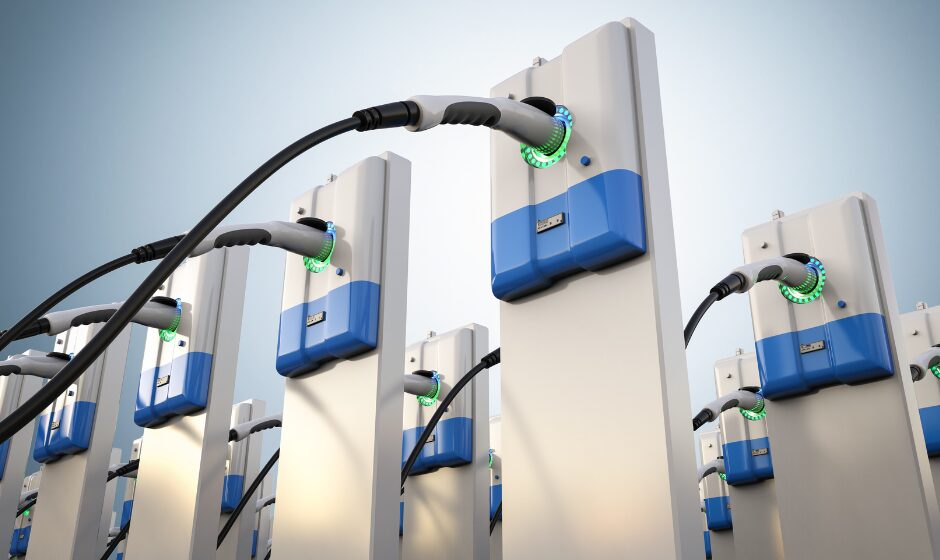
- Invest in commercial EV charging stations
- Prioritize public-private partnerships
- Integrate renewable energy into infrastructure plans
- Roll out phased, scalable fleet electrification models
As more global attention turns toward sustainable transportation, it’s essential that developing countries aren’t left behind.
By addressing the charging infrastructure challenges, they can pave the way for a cleaner, more efficient freight future.
Conclusion
EV trucks are no longer just a vision—they're here, and they’re growing fast.
For developing regions, the question is not if but how they can rise to meet the electrification challenge.
With thoughtful investment, collaborative action, and smart planning, the transformation of freight logistics is well within reach.