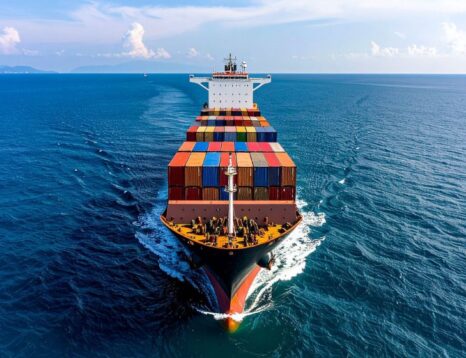
Global trade depends heavily on safe and predictable shipping routes. However, ongoing tensions and conflicts in the Middle East have introduced significant challenges for the global freight industry.
From rising shipping costs to supply chain instability, the disruption of critical maritime routes is reshaping how goods move across the world. As businesses and logistics providers navigate these turbulent waters, understanding the impact of these disruptions has become essential for maintaining resilient supply chains.
The Anatomy of the Disruption: Two Chokepoints Closed
The Middle East hosts some of the world’s most critical maritime chokepoints. These narrow passages handle a massive volume of global energy and commercial cargo.
When conflict or security threats emerge in these areas, the effects ripple across international shipping networks.
1. The Strait of Hormuz: The Energy Lifeline Shuts Down
The Strait of Hormuz is one of the most strategically important shipping lanes in the world. A significant portion of global oil exports passes through this narrow channel every day. When tensions escalate in the region, shipping companies face increased security risks, higher insurance premiums, and potential delays.
If traffic through the strait becomes restricted or unsafe, energy shipments are forced to reroute or slow down, affecting not only oil markets but also freight costs globally.
Since fuel prices influence nearly every logistics operation, disruptions here can quickly translate into higher transportation costs for industries around the world.
2. The Red Sea / Bab el-Mandeb: Hope for a Return is “Shattered”
Another critical corridor for global freight is the Red Sea route through the Bab el-Mandeb Strait. This passage connects the Indian Ocean to the Mediterranean Sea via the Suez Canal, making it one of the busiest shipping routes on the planet.
When security threats intensify in this region, shipping companies often choose to avoid the area entirely. Instead, vessels are forced to travel around the Cape of Good Hope in southern Africa.
This detour adds thousands of miles to shipping journeys, extending transit times and significantly increasing operational costs. What was once a predictable and efficient route suddenly becomes uncertain, delaying deliveries and disrupting global trade schedules.
Impact Across Shipping Sectors: A Differentiated Shock
Not all shipping sectors are affected in the same way. The impact varies depending on the type of cargo being transported and the routes involved.
Container shipping companies often face the most immediate consequences. Extended routes mean longer transit times, fewer available ships, and higher freight rates. Importers and exporters must deal with delayed shipments and increased logistics costs.
Energy transportation, particularly oil and gas tankers, is also heavily impacted due to the strategic location of Middle Eastern energy supplies. Any disruption can influence global energy prices and fuel availability, affecting transportation costs worldwide.
Bulk cargo shipments, including grains, minerals, and raw materials, also experience disruptions. Delays can affect manufacturing timelines, agricultural exports, and industrial production across multiple continents.
The result is a ripple effect throughout the global supply chain. Businesses far removed from the Middle East may still feel the impact through increased costs, shipment delays, and fluctuating market conditions.
The New Reality: What This Means for Your Supply Chain
For companies that depend on international logistics, the current situation represents a new reality. The global freight environment is becoming more unpredictable, requiring businesses to adapt quickly and strategically.
Soaring Costs and New Surcharges
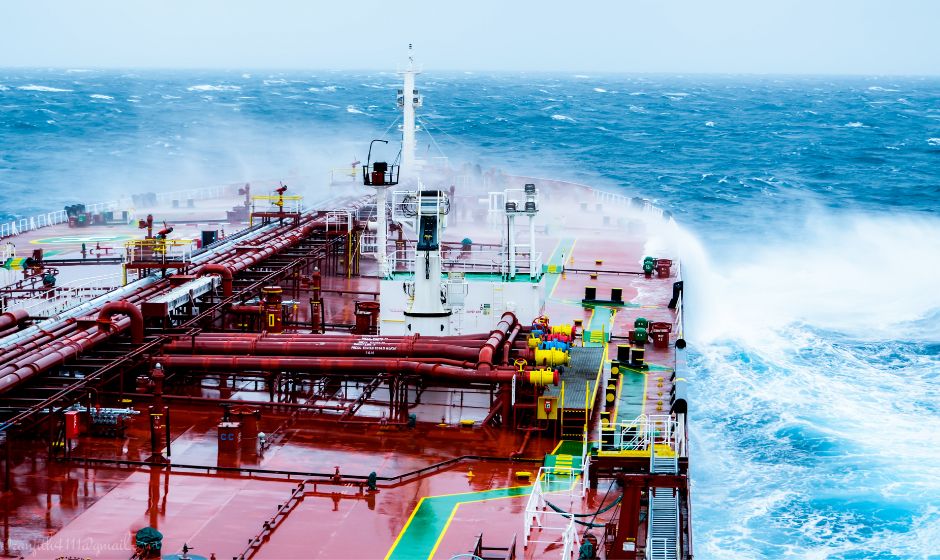
One of the most immediate consequences of shipping disruptions is rising costs. Shipping carriers often introduce emergency surcharges to cover longer routes, higher fuel consumption, and increased security expenses. Insurance premiums for vessels traveling near conflict zones may also increase significantly.
These additional costs are typically passed down through the supply chain, ultimately affecting manufacturers, retailers, and consumers.
Unprecedented Uncertainty
Perhaps the most difficult challenge for supply chain managers is uncertainty. Transit times become less reliable, schedules change frequently, and unexpected disruptions can occur at any moment.
This makes it harder for businesses to plan inventory, manage production timelines, and meet customer expectations.
Practical Guidance: How to Mitigate the Risks
While companies cannot control geopolitical conflicts, they can take steps to reduce their exposure to supply chain disruptions.
- First, diversifying shipping routes can help reduce dependence on a single corridor. Companies should work closely with logistics providers to explore alternative pathways when possible.
- Second, increasing inventory buffers can help absorb delays. Holding additional safety stock ensures that operations continue even if shipments arrive later than expected.
- Third, businesses should maintain strong communication with freight partners and suppliers. Real-time updates and flexible planning allow companies to respond quickly when disruptions occur.
- Finally, investing in supply chain visibility tools can help organizations track shipments and identify potential risks earlier.
The Long View
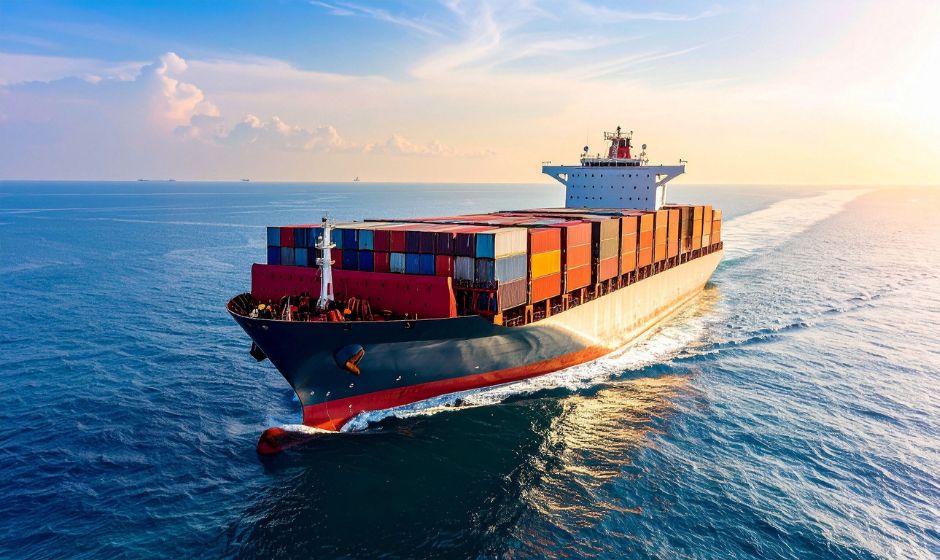
The current challenges in the Middle East highlight how interconnected global trade truly is.
A disruption in one region can affect supply chains thousands of miles away. While shipping companies and logistics providers will continue to adapt, businesses must also rethink how they design and manage their supply networks.
In the long term, resilience will become just as important as efficiency. Companies that build flexible supply chains, diversify sourcing strategies, and stay informed about global risks will be better positioned to navigate future disruptions.
Frequently Asked Questions (FAQ)
The Middle East is home to several major maritime chokepoints, including the Strait of Hormuz and the Bab el-Mandeb Strait. These routes handle a large share of global oil shipments and international cargo, making them essential for global trade.
Conflicts increase security risks, insurance premiums, and fuel consumption due to longer shipping routes. These factors lead to higher freight rates and additional surcharges for cargo shipments.
When the Red Sea or Bab el-Mandeb region becomes unsafe, shipping companies may avoid the area. The alternative route around the Cape of Good Hope is longer but considered safer during periods of conflict.
Industries that rely heavily on international trade—such as manufacturing, energy, retail, and agriculture—are often the most affected because they depend on reliable and timely cargo transportation.
Businesses can reduce risks by diversifying shipping routes, maintaining safety stock, improving supply chain visibility, and building strong partnerships with logistics providers.