Southeast Asia is rapidly transforming into a global manufacturing powerhouse. As global companies rethink supply chains under the “China+1” strategy, countries like Vietnam, Thailand, and Indonesia are becoming central to production and logistics networks. This shift is not just about cost advantages—it is about building resilient, diversified, and efficient supply chains across the ASEAN region.
From electronics to automotive parts, the region’s manufacturing growth is tightly linked to evolving logistics strategies, improved infrastructure, and rising intra-Asia trade connectivity.
Vietnam Manufacturing Logistics: Speed and Export Efficiency
Vietnam has emerged as one of the fastest-growing manufacturing hubs in Asia, particularly for electronics, textiles, and consumer goods. Recent developments show strong growth in industrial production and exports, driven by foreign investment and trade agreements.
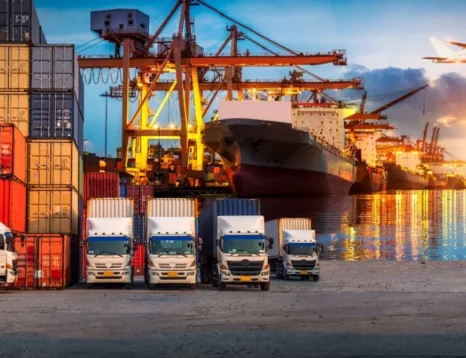
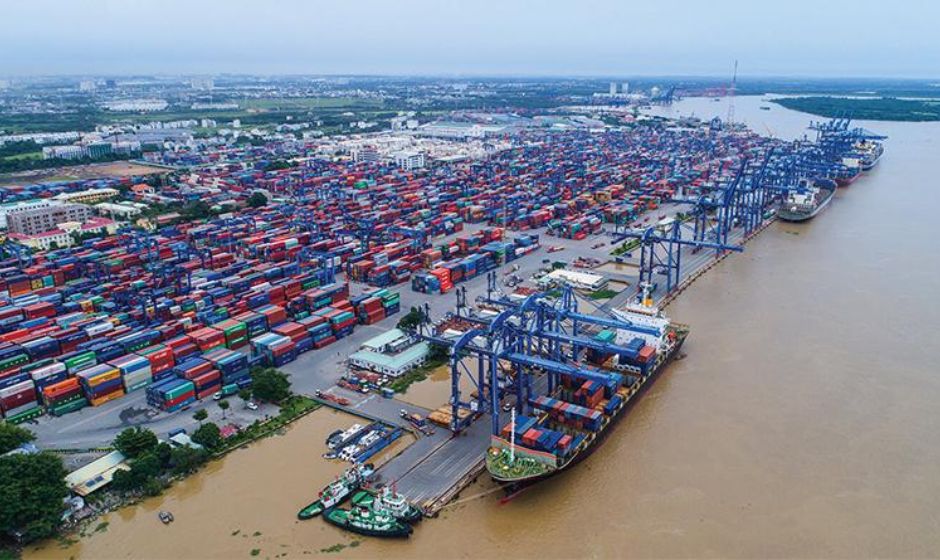
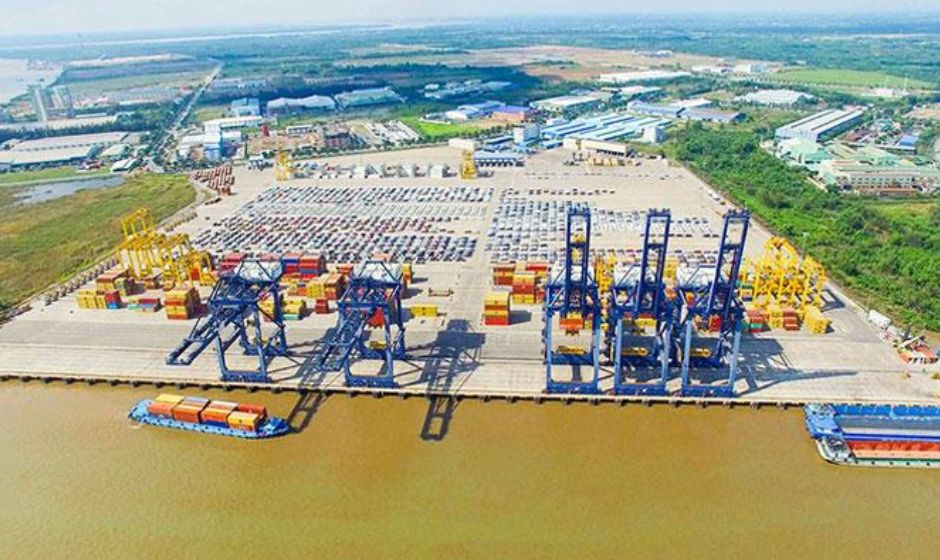
The strength of Vietnam manufacturing logistics lies in its export-oriented infrastructure. The country leverages coastal industrial zones, enabling direct access to major South China Sea shipping lanes, which significantly reduces transit times to global markets.
Another critical advantage is its expanding network of free trade agreements, which simplifies customs clearance Vietnam processes and lowers tariffs. However, challenges remain in inland transport and port congestion, pushing logistics providers to invest in multimodal transport systems connecting factories to ports more efficiently.
Vietnam’s “factory gate logistics Asia” model—where goods move seamlessly from production sites to export hubs—is becoming a benchmark for efficiency in the region.
Thailand Export Freight: The Regional Logistics Hub
Thailand plays a different but equally important role. Rather than focusing solely on low-cost manufacturing, it positions itself as a Thailand logistics hubfor ASEAN.
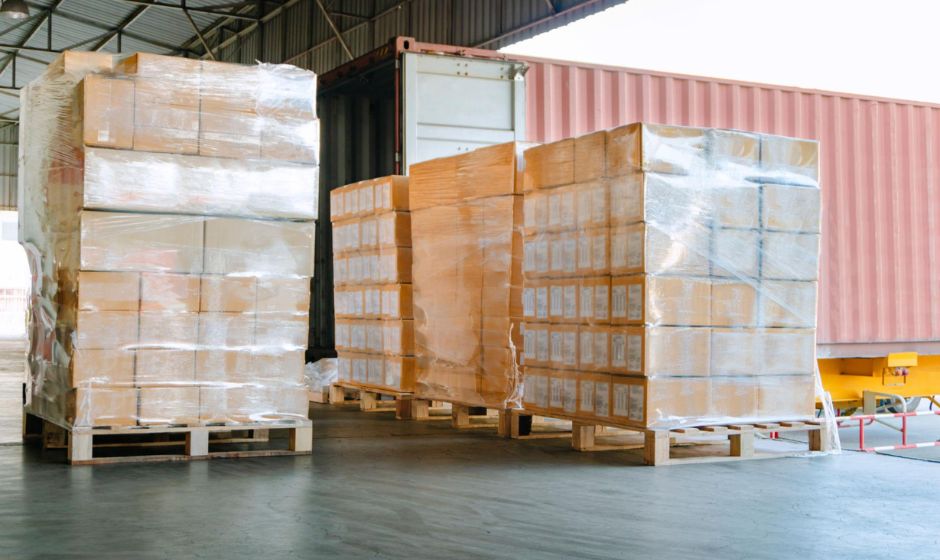
The country’s advanced road and rail infrastructure supports Thailand export freight, particularly in automotive, food processing, and machinery sectors. Government-backed initiatives like the Eastern Economic Corridor (EEC) are enhancing connectivity between ports, airports, and industrial zones.
Thailand’s central location makes it ideal for intra-Asia logistics networks, acting as a distribution point for goods moving between Southeast Asia, China, and South Asia.
Additionally, trade agreements and tariff reductions in recent years have strengthened its competitiveness, making it easier for exporters to move goods across borders.
However, rising labor costs mean Thailand is shifting toward higher-value manufacturing, requiring more sophisticated logistics solutions such as cold-chain systems and digital freight tracking.
Indonesia Shipping Routes: Scale and Domestic Complexity
Indonesia, Southeast Asia’s largest economy, presents both immense opportunities and logistical challenges. Its geography—spanning thousands of islands—makes Indonesia shipping routes crucial for both domestic and international trade.
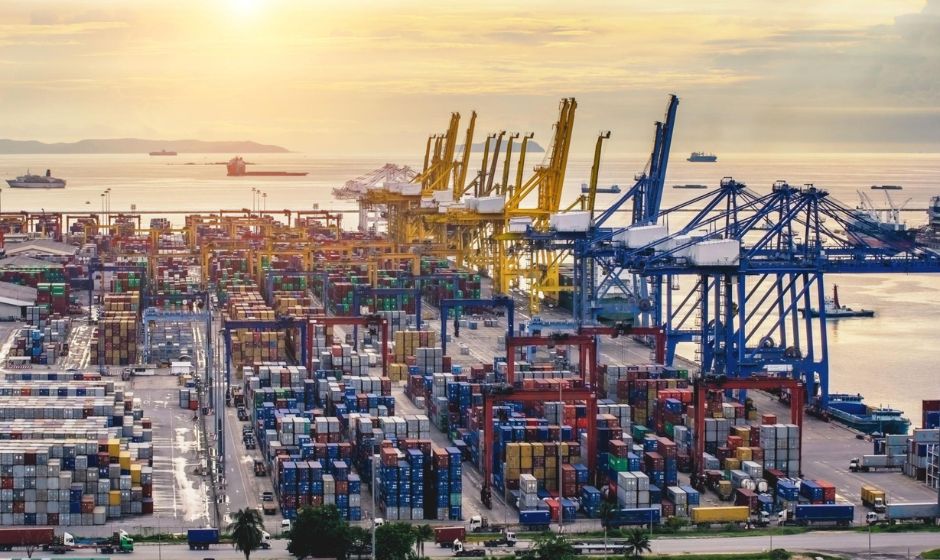
The country is investing heavily in Indonesia port infrastructure, expanding major ports and improving maritime connectivity. These upgrades are critical for handling growing export volumes in commodities, manufacturing goods, and processed foods.
Indonesia’s strength lies in its scale and domestic demand, which supports manufacturing growth. However, logistics costs remain higher compared to Vietnam and Thailand due to fragmented transport systems and inter-island shipping complexities.
To address this, the government is focusing on digital logistics platforms and integrated port systems, aiming to streamline cargo movement and reduce delays.
ASEAN Supply Chain Strategy: A Regional Network
The real strength of Southeast Asia lies in its collective integration. The ASEAN supply chain strategy is increasingly built on a regional, multi-country production model.
Instead of concentrating manufacturing in a single country, companies now distribute production stages across Vietnam, Thailand, and Indonesia. This approach enhances resilience and reduces risk from geopolitical disruptions or trade barriers.
For example:
- Components may be produced in Vietnam
- Assembled in Thailand
- Distributed through Indonesia or regional hubs
This interconnected system is supported by trade agreements like RCEP, which facilitate smoother movement of goods across borders.
The Role of South China Sea Shipping Lanes
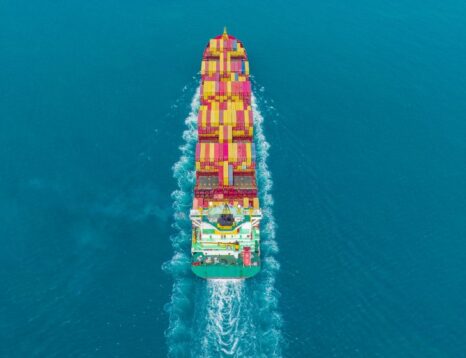
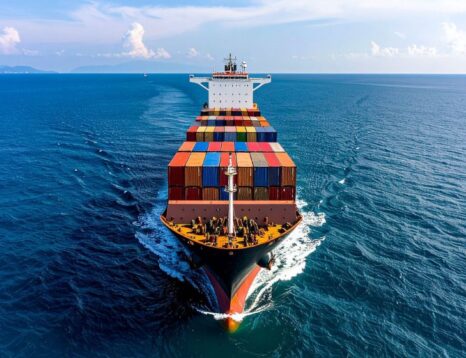
The South China Sea shipping lanes are a lifeline for Southeast Asia’s manufacturing growth. These routes connect ASEAN economies to major global markets, including China, Japan, Europe, and the United States.
Their strategic importance has grown as global trade patterns shift, making maritime security and efficiency critical for uninterrupted supply chains. Any disruption in these routes could significantly impact export flows from Vietnam, Thailand, and Indonesia.
Challenges and Future Outlook
Despite rapid growth, Southeast Asia’s logistics landscape faces key challenges:
- Infrastructure gaps, especially in emerging regions
- Rising demand for skilled labor in logistics and manufacturing
- Geopolitical tensions affecting trade routes
At the same time, the region continues to attract global investment as companies diversify supply chains. Manufacturing relocation from China to ASEAN is accelerating, reinforcing the region’s role in global production networks.
Looking ahead, digital transformation, green logistics, and regional integration will shape the next phase of growth.
Frequently Asked Questions (FAQ)
Southeast Asia offers lower labor costs, strategic location, and strong trade agreements. Companies are also diversifying supply chains to reduce dependence on a single country like China.
Vietnam excels in export-driven logistics, coastal industrial zones, and efficient customs processes, making it ideal for global manufacturing and shipping.
Thailand’s central location, advanced infrastructure, and strong regional connectivity make it a key distribution and export center within ASEAN.
Indonesia struggles with high logistics costs and complex inter-island shipping, but ongoing investments in port infrastructure are improving efficiency.
It distributes production across multiple countries, allowing businesses to reduce risk, improve efficiency, and leverage each country’s strengths in manufacturing and logistics.