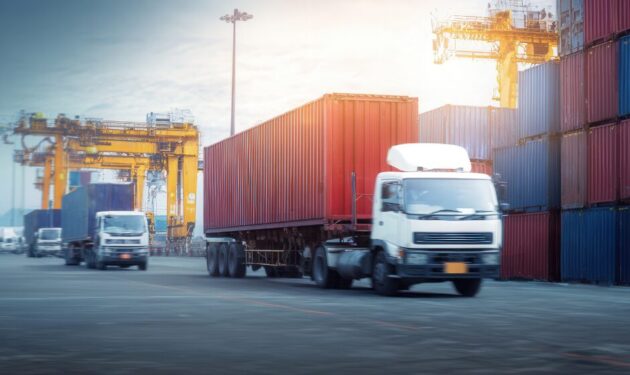
As the global transportation sector moves toward electrification, electric trucks (EV trucks) are rapidly gaining traction.

With their promise of reduced emissions and lower operating costs, EV trucks are emerging as a viable alternative to traditional diesel-powered freight vehicles.

However,

The global freight forwarding industry stands at a pivotal moment in 2025.

As economic, technological, and geopolitical factors reshape the logistics landscape, freight forwarders worldwide are under pressure to adapt quickly.

From dealing with post-war trade challenges to embracing

The freight forwarding and logistics sector is undergoing a transformative shift in 2025, driven by a convergence of evolving global trade policies, groundbreaking technologies, and renewed governmental focus on sustainability and transparency.

From AI-driven operations to stricter regulations affecting cross-border

In the fast-paced and highly competitive world of logistics, freight forwarders are under constant pressure to enhance service levels, reduce operational costs, and improve overall profitability.

One of the most transformative tools enabling this evolution is business intelligence (BI).

In the fast-paced world of global trade, freight cost management is no longer just about negotiating better rates or choosing the cheapest carrier. With supply chains growing increasingly complex and disruptions becoming more frequent—from port congestion to geopolitical tensions and

Ethics in freight contract negotiations are not just a matter of compliance—they're the foundation for trust, long-term business relationships, and sustainable growth across air freight, land freight, and water freight sectors, including specialized services like FBA (Fulfilment by Amazon).

With

Agricultural exports are the lifeblood of global food trade, connecting farmers to international markets and ensuring the availability of fresh produce, grains, and dairy products worldwide. However, the logistics behind these exports are far from simple. The challenges of transporting

In today’s fast-paced and interconnected world, the global fashion industry relies heavily on efficient logistics and supply chain management. The role of freight forwarders has evolved significantly over the years, becoming an indispensable part of the fashion supply chain.

From

Urbanization is not just a trend but a transformative force reshaping the world into smart cities. These cities, powered by technology, are revolutionizing infrastructure, sustainability, and quality of life. Nowhere is this transformation more profound than in logistics.

Implementing new

In today's fast-paced logistics industry, efficiency is the key to success. Companies must constantly innovate to manage increasing demands, optimize processes, and reduce operational costs.

Robotic Process Automation (RPA) has emerged as a game-changer, automating repetitive tasks and improving overall