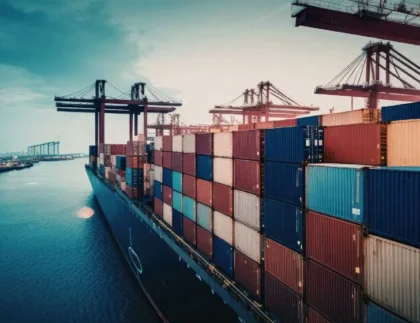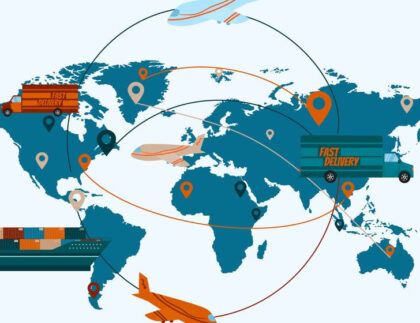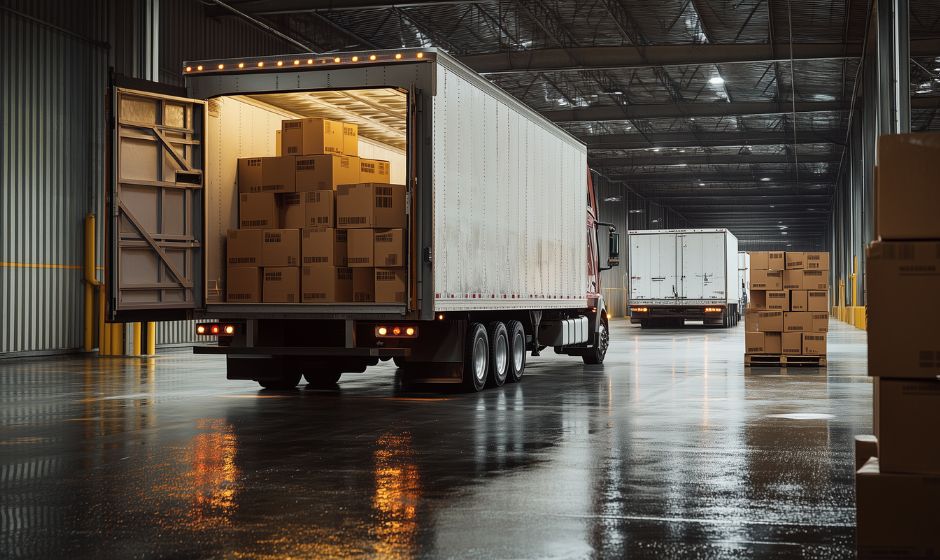
Trade between Asia and Latin America is no longer a secondary corridor in global logistics—it’s a strategic artery. As companies rethink sourcing models, diversify supply chains, and respond to geopolitical pressures, the Asia–Latin America trade lanes are gaining renewed attention. From electronics and automotive parts to agricultural commodities and e-commerce parcels, volumes are rising in both directions.
Yet the route is not without its complexities. Infrastructure constraints, regulatory hurdles, transit disruptions, and fluctuating ocean freight capacity all shape how efficiently goods move. For freight forwarders, success lies in identifying opportunities while proactively managing bottlenecks.
The Strategic Importance of Asia–Latin America Trade Lanes
Trade between manufacturing powerhouses like China, South Korea, and Southeast Asia and emerging Latin American economies has deepened significantly over the past decade. China remains a key trading partner for Brazil, Chile, and Peru, while Mexico’s proximity to North America makes it both a production hub and redistribution point.
In 2026, companies are accelerating supply chain diversification away from single-region dependency. This shift is fueling demand along Asia–Latin America corridors, especially for intermediate goods, industrial machinery, and consumer products. Freight forwarders who understand regional nuances—customs regimes, port capabilities, inland connectivity—hold a competitive advantage.
Nearshoring to Latin America: A Dual-Flow Opportunity

Nearshoring to Latin America opportunities are reshaping trade dynamics. As manufacturers shift production closer to North American markets, countries like Mexico, Brazil, and Colombia are expanding industrial capacity.
However, nearshoring doesn’t eliminate Asia from the equation. Instead, it creates a hybrid model. Components and raw materials still flow from Asia to Latin American assembly plants, while finished goods move north or within the region. This generates complex, multi-leg shipping requirements—an opportunity for freight forwarders offering integrated, multimodal transport solutions across continents.
Ocean Freight Capacity Surge Asia–LatAm
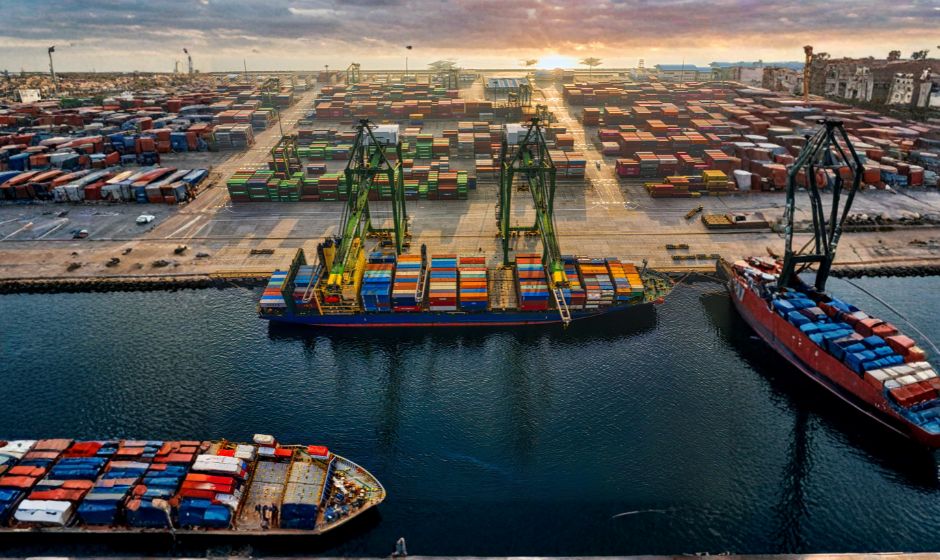
In response to growing demand, carriers have introduced additional sailings and direct services between Asia and South America’s east and west coasts. The ocean freight capacity surge Asia–LatAm has helped stabilize rates compared to pandemic-era volatility.
Still, capacity does not always translate into reliability. Blank sailings, equipment imbalances, and schedule changes remain common. Carrier reliability Asia to South America remains below historical averages in certain trade lanes, especially during peak seasons.
Forwarders must therefore secure diversified carrier contracts and monitor schedule integrity closely to avoid disruptions.
Panama Canal Transit Restrictions: A Structural Constraint
One of the most critical chokepoints affecting Asia–Latin America trade is the Panama Canal. Periodic Panama Canal transit restrictions—driven by drought conditions and water level management—have reduced vessel transits and imposed draft limitations.
For shipments routed to the Caribbean or the U.S. East Coast via Latin America, delays can ripple through the entire supply chain. Some carriers have rerouted vessels around Cape Horn or shifted to transshipment hubs, increasing transit time and cost.
Forwarders need contingency routing strategies and clear communication plans when canal restrictions intensify.
Port Congestion Latin America 2026: Infrastructure Under Pressure
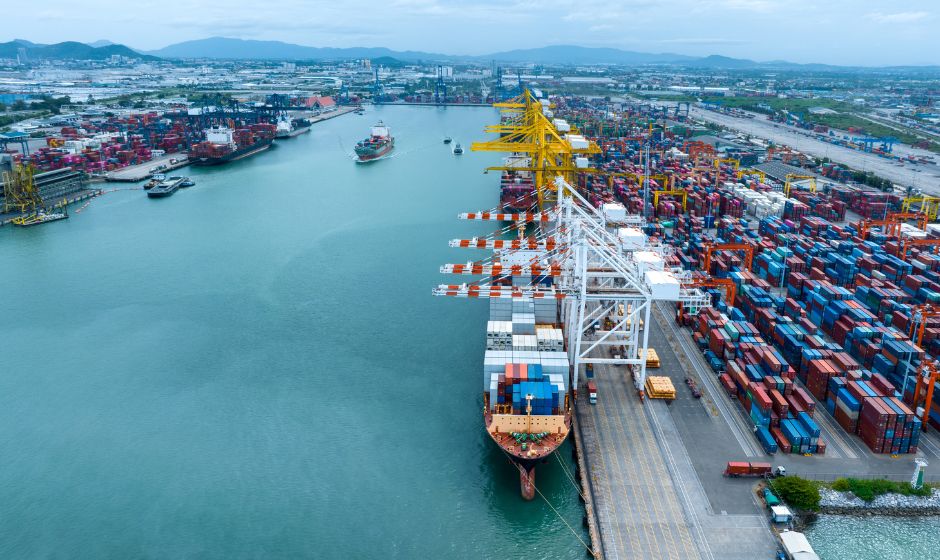
Port congestion Latin America 2026 remains a pressing issue in major gateways such as Santos, Manzanillo, and Callao. Factors include limited berth availability, labor disruptions, customs backlogs, and inland trucking shortages.
Unlike Asia’s mega-ports, many Latin American facilities face space constraints and slower automation adoption. This means dwell times can increase rapidly during peak import seasons.
Freight forwarders can mitigate risk by:
- Booking earlier cut-offs
- Using alternative ports where feasible
- Coordinating inland drayage well in advance
- Leveraging bonded warehousing to smooth cargo flow
Latin America Manufacturing Growth & Warehousing Trends
Latin America manufacturing growth is stimulating demand for modern logistics infrastructure. Mexico’s industrial parks, Brazil’s automotive clusters, and Colombia’s free trade zones are expanding warehousing capacity.
Latin America warehousing trends show a shift toward:
- Grade-A distribution centers
- Near-port fulfillment hubs
- E-commerce-enabled last-mile facilities
- Temperature-controlled storage
This evolution supports more sophisticated freight forwarding models, including vendor-managed inventory and regional distribution networks.
Asia–Latin America E-commerce Logistics
Cross-border online retail is reshaping cargo flows. Asia–Latin America e-commerce logistics requires speed, visibility, and customs efficiency. Consumers expect shorter delivery windows, even for intercontinental orders.
Airfreight remains critical for high-value, low-weight parcels, but rising costs have pushed shippers to explore consolidated ocean freight with regional fulfillment centers.
Freight forwarders offering integrated digital tracking, simplified customs brokerage, and last-mile partnerships gain a clear advantage in this fast-growing segment.
Cold Chain Logistics in Latin America
Pharmaceuticals, seafood, fresh fruit, and meat exports require robust cold chain logistics Latin America infrastructure. While improvements are underway, temperature-controlled capacity remains uneven across the region.
Power outages, port delays, and inadequate reefer monitoring can compromise product integrity. Forwarders must ensure:
- Reliable reefer equipment availability
- Real-time temperature tracking
- Backup power systems
- Strong coordination with inland carriers
Cold chain optimization is especially critical for exports to Asia, where quality standards are stringent.
Airfreight Alternatives Asia–LatAm
Airfreight alternatives Asia–LatAm are gaining traction as shippers balance cost and speed. Sea-air combinations—where cargo moves by ocean to a transshipment hub and then by air to its final destination—offer a middle-ground solution.
Additionally, some companies are using multimodal transport solutions LatAm, combining rail and trucking within the region to reduce transit times after ocean arrival.
These hybrid models require strong coordination, documentation accuracy, and predictive planning.
Geopolitical Risk & Supply Chains 2026
Geopolitical risk supply chains 2026 remains a dominant concern. Trade tensions, sanctions, and regulatory shifts can impact sourcing decisions overnight.
Freight forwarders play a vital advisory role—helping clients evaluate routing alternatives, assess trade compliance risks, and maintain operational flexibility.
The most resilient supply chains are those built with redundancy: multiple suppliers, diversified transport routes, and buffer inventory positioned strategically.
Freight Forwarding Optimization Strategies
To navigate opportunities and bottlenecks effectively, freight forwarders should adopt a proactive approach:
1. Diversify Carriers and Routes
Avoid overreliance on a single shipping line or port gateway.
2. Invest in Digital Visibility
Real-time tracking platforms enhance decision-making and customer trust.
3. Strengthen Multimodal Capabilities
Integrated ocean, air, rail, and trucking services reduce handoff inefficiencies.
4. Develop Regional Expertise
Understanding customs regulations, tax structures, and trade agreements is essential.
5. Build Strategic Warehousing Partnerships
Position inventory closer to end markets to reduce risk exposure.
Looking Ahead
Freight forwarding between Asia and Latin America is entering a phase of strategic expansion. Nearshoring, manufacturing growth, and e-commerce are creating sustained demand, while infrastructure constraints and geopolitical uncertainty require careful planning.
Forwarders who combine operational flexibility, digital innovation, and deep regional knowledge will be best positioned to transform challenges into competitive advantages.
In 2026 and beyond, the Asia–Latin America corridor will not simply be a trade route—it will be a proving ground for agile, resilient supply chain design.