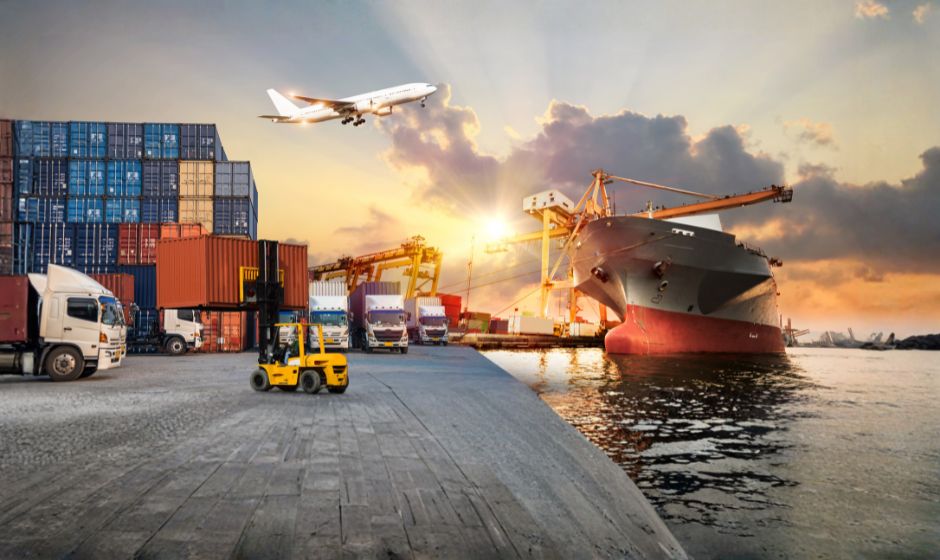
The global surge in online shopping has done more than change the way people buy products — it has fundamentally transformed the logistics and transportation industry. From small independent sellers to multinational brands, businesses are now competing in a fast-paced digital marketplace where speed, flexibility, and global reach are essential. As a result, air and ocean freight have evolved rapidly to support modern e-commerce logistics fulfillment models.
The rise of cross-border online sales has blurred geographic boundaries, placing new pressure on freight networks to become faster, smarter, and more customer-focused than ever before.
The Shift from Bulk to Parcel: Parcel Freight vs. Traditional Freight
Traditionally, ocean and air freight were designed around bulk shipments — large quantities of goods transported from factory to distributor or retailer. The e-commerce boom has disrupted this structure. Today, instead of shipping pallets or containers to a handful of retailers, companies are sending thousands of individual parcels directly to consumers.
This shift highlights the growing importance of parcel freight vs. traditional freight. While traditional freight focused on cost efficiency through volume, parcel freight prioritizes speed, tracking visibility, and last-mile delivery integration. Logistics providers must now bridge the gap between bulk international transport and individual doorstep deliveries.
Airlines and ocean carriers are restructuring services to handle smaller, more frequent shipments — especially for direct-to-consumer brands and online marketplaces.

Rising Demand for Air Cargo
One of the most noticeable impacts of e-commerce growth is the surge in air cargo for e-commerce demand. Consumers expect fast delivery — often within days, even for international purchases. To meet these expectations, businesses increasingly rely on air freight for high-value, time-sensitive goods such as electronics, fashion items, and seasonal products.
Air cargo provides:
- Faster transit times
- Greater schedule reliability
- Better tracking capabilities
- Reduced inventory holding costs
Major logistics hubs such as Hong Kong and Memphis have seen significant increases in e-commerce-related air freight volumes. Integrators and freight forwarders are expanding dedicated cargo fleets and charter services to keep up with this growth.
While air freight is more expensive than ocean freight, the value of speed and customer satisfaction often outweighs the cost difference in the e-commerce environment.
Ocean Freight Adapts: LCL and Flexible Shipping Models
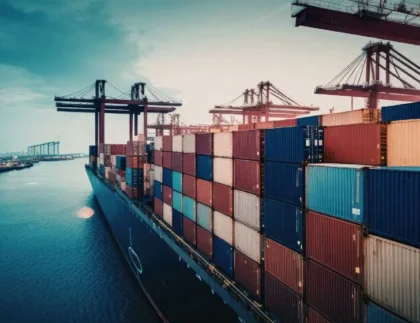
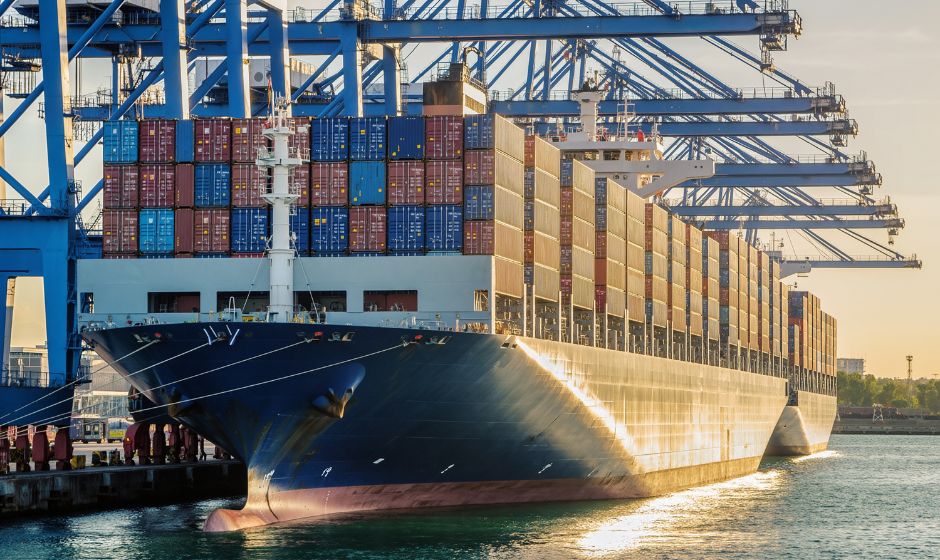
Despite the rise in air cargo, ocean freight remains a critical backbone of global trade. However, its structure has shifted to accommodate smaller sellers and more fragmented shipments.
LCL shipping for e-commerce (Less-than-Container Load) has become increasingly popular. Instead of requiring a full container, sellers can share space with other shipments, reducing upfront costs and allowing small and medium-sized enterprises (SMEs) to access global markets without large inventory commitments.
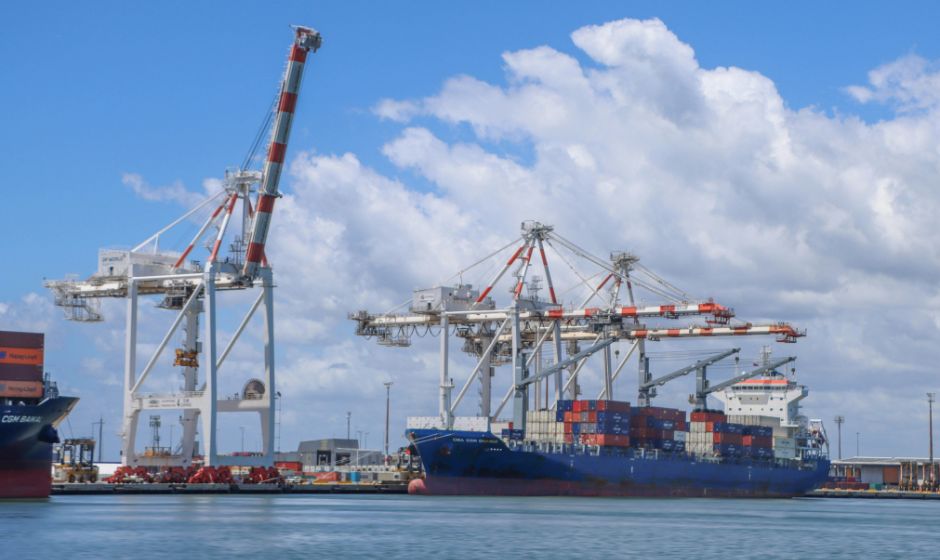
Ports in cities such as Shanghai and Rotterdam have invested heavily in digital systems and automation to manage the higher volume of smaller shipments moving through their terminals.
Ocean freight providers are also offering faster sailing schedules, improved tracking tools, and hybrid sea-air solutions to balance cost and delivery speed.
Cross-Border E-Commerce Shipping Becomes the Norm
Perhaps the most transformative change is the rapid expansion of cross-border e-commerce shipping. Consumers are no longer limited to domestic sellers; they regularly purchase products from overseas marketplaces.
Global platforms like Amazon, Alibaba Group, and Shopify empower businesses of all sizes to sell internationally. However, this growth creates complexity in customs clearance, taxes, duties, and regulatory compliance.
To simplify the process, many businesses now use DDP shipping services e-commerce (Delivered Duty Paid). Under DDP, sellers handle customs duties and taxes upfront, ensuring customers receive their purchases without surprise fees. This transparency significantly improves the buyer experience and reduces abandoned shipments.
Freight forwarders are responding by offering integrated customs brokerage, documentation management, and compliance support as part of their service packages.
The Rise of Fulfillment Center Logistics
The growth of online retail has driven massive expansion in fulfillment center logistics. Rather than shipping products directly from manufacturers overseas to customers, businesses store inventory in strategically located fulfillment centers close to key markets.
For example, companies selling into North America may import goods via ocean freight and store them in warehouses near Los Angeles or Chicago. From there, domestic parcel networks handle final delivery.
This model reduces shipping time and cost while improving customer satisfaction. Freight companies now work closely with warehouse operators to create seamless transitions from international freight to domestic distribution.
Last-Mile Integration and Global Freight Networks
A major challenge in modern e-commerce logistics is achieving smooth last-mile integration global freight systems. The journey from overseas supplier to a consumer’s doorstep involves multiple transportation modes, customs checkpoints, warehouses, and local carriers.
Successful logistics providers are investing in digital platforms that provide end-to-end tracking visibility. Real-time data sharing allows sellers and customers to monitor shipments at every stage.
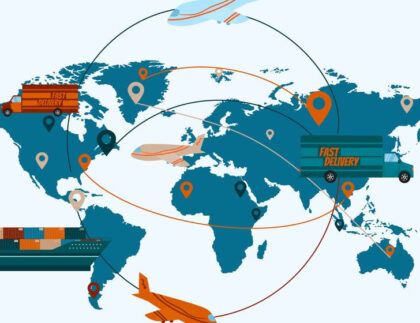
Airlines, ocean carriers, freight forwarders, and courier companies are forming strategic partnerships to ensure goods flow efficiently from port or airport to final destination. The line between freight transportation and parcel delivery continues to blur.
Managing Returns Logistics Internationally
As online shopping grows, so do product returns. Handling international returns logistics has become one of the most complex aspects of cross-border trade.
Customers expect easy return processes, even for international purchases. However, reverse logistics involves additional shipping costs, customs procedures, and potential inventory loss.
To manage this, many businesses use local return hubs in key markets. Returned items are consolidated and either resold domestically, sent back in bulk shipments, or liquidated. Freight companies now design flexible reverse supply chains specifically for e-commerce sellers.
Opportunities for SMEs in Global Markets
The e-commerce boom has opened global trade opportunities for smaller businesses. SME e-commerce export logistics is expanding rapidly as technology lowers entry barriers.
Small brands can now use LCL ocean freight, consolidated air cargo, and third-party fulfillment services to reach international customers without building complex supply chains from scratch.
Freight forwarders increasingly offer bundled services tailored to SMEs, including:
- Freight booking
- Customs documentation
- Warehousing
- DDP solutions
- Returns management
This comprehensive support enables smaller companies to compete with larger multinational corporations.
The Future of Freight in an E-Commerce World
The transformation of air and ocean freight is far from over. Automation, artificial intelligence, blockchain tracking systems, and sustainable shipping initiatives are shaping the next phase of global logistics.
E-commerce has forced freight providers to become more agile, customer-centric, and technology-driven. Speed, transparency, and flexibility now matter as much as capacity and cost efficiency.
Ultimately, the e-commerce boom is not just increasing shipment volumes — it is redefining how global trade operates. Air and ocean freight are evolving from traditional bulk transport systems into highly integrated, digitally connected networks designed to support a world where consumers expect anything, anytime, anywhere.
And as online commerce continues to grow, so too will the innovation reshaping the freight industry.