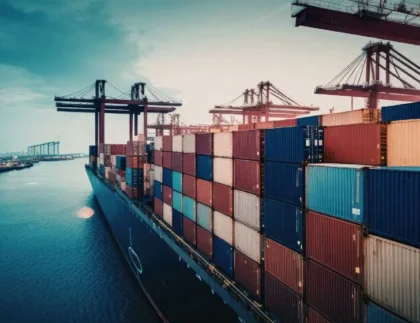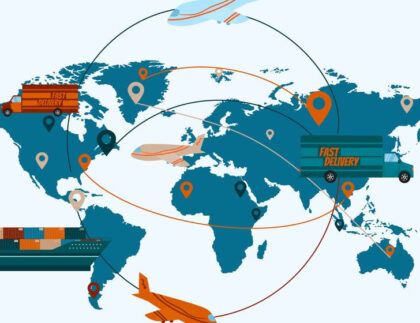
For decades, freight forwarders focused on what they do best: moving large volumes of goods across borders, ports, and distribution centers. Their world revolved around containers, pallets, and bulk shipments—primarily business-to-business (B2B) transactions. But today’s logistics landscape is shifting rapidly. The explosive growth of e-commerce, omnichannel retail, and direct-to-consumer brands has blurred the line between freight and parcel.
Now, freight forwarders are stepping into a new role—bridging the gap between heavy freight operations and agile parcel networks. This evolution is redefining how goods move from factory floor to front door.
The Rise of Final Mile Delivery Integration
The “last mile” has always been the most complex and expensive part of the supply chain. But as consumer expectations evolve—driven by companies like Amazon—final mile delivery integration has become more than a competitive advantage. It’s a necessity.
Traditionally, freight forwarders handled the long-haul journey, passing goods to regional distributors or warehouses. Today, that model no longer suffices. Customers expect visibility, speed, and flexible delivery options. To meet this demand, freight forwarders are integrating directly with parcel carriers and local delivery networks.
This integration ensures seamless data flow, shipment tracking, and coordinated dispatch from the moment goods are unloaded to the moment they reach the customer’s doorstep.
The Freight to Parcel Handoff: Where Strategy Meets Precision

One of the most critical transitions in modern logistics is the freight-to-parcel handoff. It sounds simple—but it’s operationally complex.
Freight shipments are typically palletized and optimized for bulk movement. Parcel networks, however, are built for individual packages, route optimization, and high delivery density. The challenge lies in breaking down large freight shipments into parcel-ready units quickly and efficiently.
Forward-thinking companies are solving this through advanced cross-docking services. Instead of storing goods in warehouses, shipments are transferred directly from inbound freight to outbound parcel carriers. This reduces handling time, cuts storage costs, and accelerates delivery.
The result? Faster transit times and fewer touchpoints—without compromising cost control.
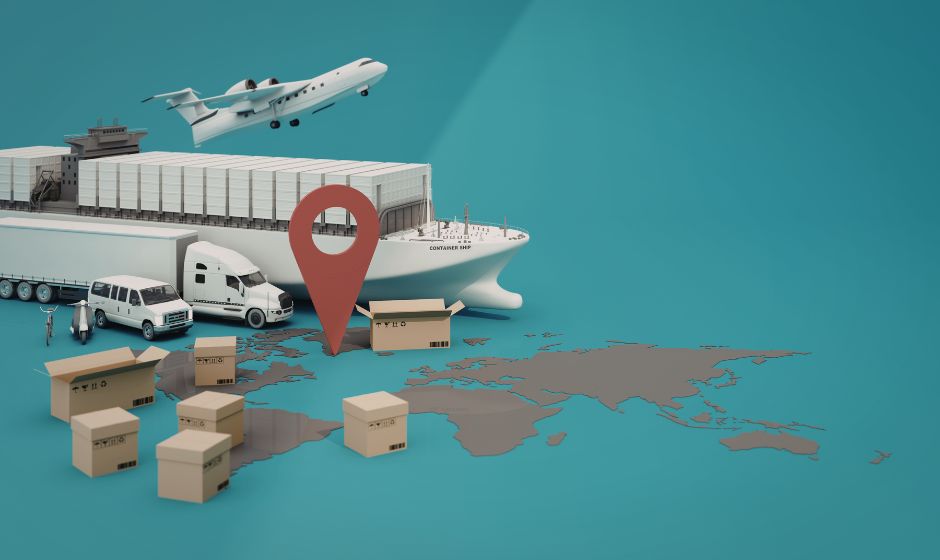
Enabling Omnichannel Logistics Fulfillment
Retailers today operate across multiple channels—brick-and-mortar stores, online marketplaces, social media platforms, and direct-to-consumer websites. Omnichannel logistics fulfillment requires a supply chain that can flex between bulk store replenishment and individual home deliveries.
Freight forwarders are uniquely positioned to support this hybrid model. By forming a freight forwarder last-mile partnership with parcel networks, they can support both large retail shipments and B2C delivery from B2B freight.
For example, a single inbound container might contain goods destined for physical stores, e-commerce orders, and third-party marketplaces. With integrated systems, freight forwarders can segment inventory at the distribution point and route it accordingly—whether it’s a pallet to a store or a single package to a consumer.
This flexibility is quickly becoming a defining capability in modern supply chains.
Urban Logistics Solutions for a Crowded World
Urbanization is reshaping delivery models. Cities are congested, regulations are tightening, and consumers want same-day or next-day delivery. Traditional freight operations were never designed for dense urban distribution.
To adapt, freight forwarders are collaborating with parcel carriers to build smarter urban logistics solutions.
This includes:
- Micro-fulfillment hubs closer to city centers
- Delivery density optimization to reduce fuel use and emissions
- Electric vehicle fleets for urban routes
- Smart routing technology to avoid traffic congestion
By improving delivery density optimization—maximizing the number of deliveries per route—logistics providers reduce costs while improving sustainability metrics. This matters not just for operational efficiency but also for meeting environmental, social, and governance (ESG) goals.
The Growth of White Glove Delivery Service
Not all last-mile deliveries are simple drop-offs. Furniture, appliances, medical equipment, and luxury goods require a higher level of care. A white glove delivery service includes inside placement, assembly, installation, and debris removal.
Freight forwarders are expanding into these premium services by partnering with specialized parcel and final-mile providers. This move allows them to serve high-value industries without building entirely new capabilities from scratch.
As consumer expectations rise, especially in home delivery experiences, offering white glove services is becoming a differentiator—not just an add-on.
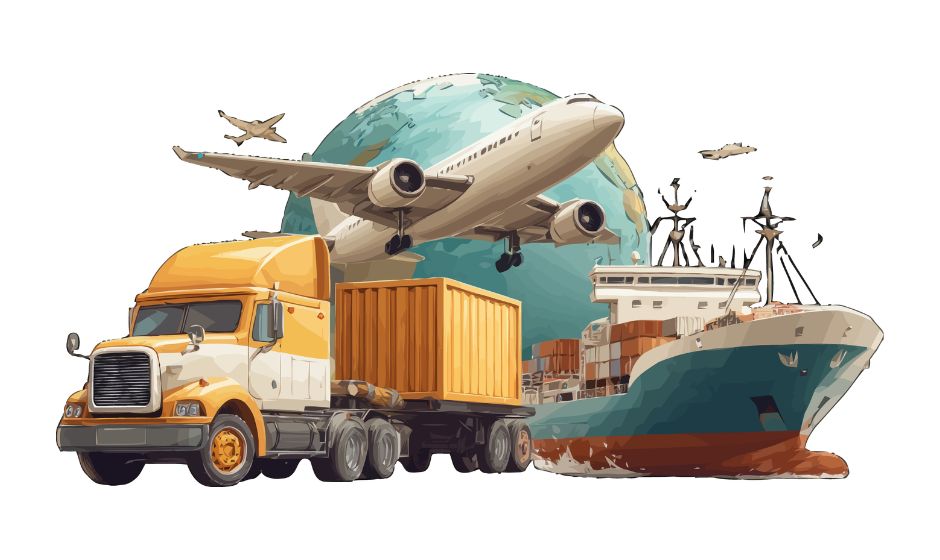
Reverse Logistics and Returns Management
E-commerce growth brings another challenge: returns. In some sectors, return rates exceed 20%. Efficient returns management reverse logistics is now essential to protecting margins and maintaining customer satisfaction.
Freight forwarders integrating with parcel networks gain better control over the return journey. Instead of fragmented processes, they can offer end-to-end visibility—from outbound shipment to inbound return.
Cross-docking facilities can also be leveraged for returns processing, allowing goods to be inspected, repackaged, or redirected quickly. This shortens the time it takes for returned inventory to re-enter the sales cycle, minimizing revenue loss.
Building Strong Freight Forwarder Last-Mile Partnerships
Integration doesn’t mean freight forwarders must become parcel carriers themselves. In fact, the smartest strategies revolve around collaboration.
A successful freight forwarder last-mile partnership is built on:
- Real-time data integration
- Shared performance metrics
- Aligned service-level agreements (SLAs)
- Transparent cost structures
- Joint innovation initiatives
When freight and parcel systems operate on synchronized platforms, customers experience a seamless supply chain—despite multiple partners working behind the scenes.
Technology plays a central role here. APIs, warehouse management systems (WMS), and transportation management systems (TMS) are increasingly interconnected, eliminating manual processes and reducing errors during the freight-to-parcel handoff.
Turning B2B Freight into B2C Delivery
Perhaps the most transformative shift is the rise of B2C delivery from B2B freight. Manufacturers who once shipped exclusively to distributors are now selling directly to consumers.
Freight forwarders must adapt to handle smaller order volumes, higher shipment frequency, and greater delivery personalization. By integrating with parcel networks and urban delivery providers, they help businesses pivot without overhauling their entire supply chain.
This hybrid model allows companies to maintain bulk freight efficiency upstream while unlocking direct-to-consumer agility downstream.
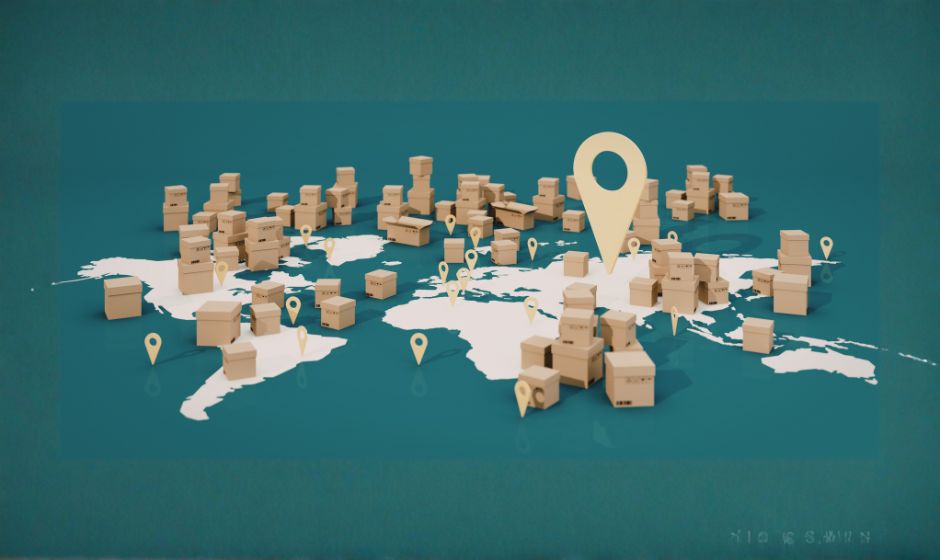
The Road Ahead
The integration of freight forwarding and parcel networks marks a significant turning point in global logistics. The last mile is no longer a separate function—it is an extension of the entire supply chain.
Freight forwarders that embrace final mile delivery integration, optimize cross-docking services, invest in urban logistics solutions, and strengthen parcel partnerships will gain a competitive edge. Those who remain siloed risk falling behind in a world where speed, transparency, and customer experience drive purchasing decisions.
Mastering the last mile isn’t just about moving goods faster. It’s about reimagining how freight connects to people—efficiently, sustainably, and seamlessly.
And in today’s logistics environment, that final mile might just be the most important one of all.