In 2025, the global shipping industry faces mounting challenges due to continued disruptions in the Red Sea region.
Once a critical artery for global trade, the Red Sea has now become a volatile zone, threatening the flow of goods, increasing shipping costs, and forcing freight forwarders to rethink their logistics strategies.
As geopolitical tensions escalate and maritime security deteriorates, freight forwarders are grappling with complex rerouting decisions that affect delivery times, budgets, and overall supply chain resilience.
Red Sea Shipping Disruption: A Growing Concern
The Red Sea has long served as a vital maritime corridor, linking the Mediterranean Sea (via the Suez Canal) to the Indian Ocean.
It’s a lifeline for East-West trade, with around 12% of global trade passing through this route. However, in recent years, the region has experienced growing instability.
Escalating conflicts, piracy threats, and missile attacks on commercial vessels have triggered a full-blown maritime crisis.
Freight companies have responded by avoiding Red Sea passages altogether, choosing longer, costlier routes around the Cape of Good Hope. While this avoids the direct risks, it introduces a cascade of logistical issues that challenge freight forwarders on multiple fronts.
The Impact on Freight Forwarding and Rerouting Strategies
Freight forwarding companies act as the backbone of global trade, coordinating shipments across borders and oceans.
The Red Sea disruption has forced them into an increasingly reactive posture. With the traditional Suez Canal route deemed too dangerous, rerouting strategies must balance security, efficiency, and affordability.
Alternative routes, such as the aforementioned Cape of Good Hope detour, can add up to two weeks of sailing time.
This dramatically increases fuel consumption, stretches delivery schedules, and affects the reliability of just-in-time (JIT) inventory models.
Freight forwarders are under pressure to communicate these changes to customers while maintaining operational efficiency and cost transparency.
In addition to longer transit times, the lack of predictability in ocean freight routes is straining freight management systems.
Port congestion, vessel availability, and container repositioning have all become more complicated, leading to delays and increased costs.
Suez Canal Alternatives: Are They Sustainable?
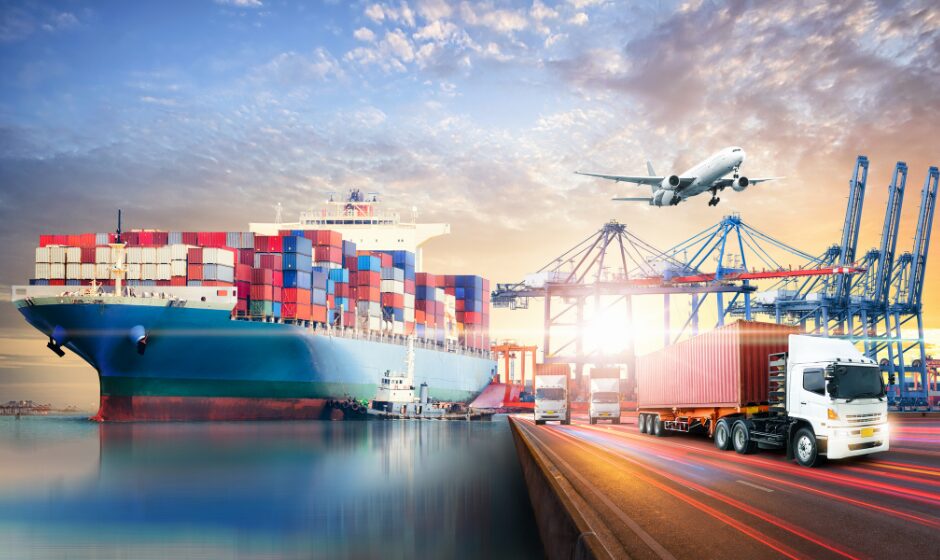
With the Suez Canal facing reduced traffic due to Red Sea security threats, freight forwarders are actively exploring alternative trade corridors.
But each alternative has its own limitations:
- Cape of Good Hope: A safer but much longer route. The extended journey time increases fuel costs, environmental impact, and insurance premiums.
- Northern Sea Route (Arctic): Possible in theory, but limited by ice, infrastructure gaps, and geopolitical constraints.
- Overland rail from China to Europe (Silk Road): Suitable for specific cargo types, but capacity is limited and vulnerable to land-based geopolitical tensions.
- Air freight: Offers speed but comes at a significantly higher cost, making it viable only for high-value, time-sensitive goods.
None of these alternatives can fully replace the Suez Canal in terms of capacity and cost-effectiveness.
Freight forwarders must therefore adopt a diversified routing strategy, spreading risk across different lanes while staying agile to shifts in the geopolitical landscape.
Middle East Maritime Crisis: The Broader Implications
The maritime crisis in the Red Sea doesn’t just affect local shipping lanes—it reverberates throughout the entire global logistics chain.
The Middle East's growing instability complicates port operations in countries like Yemen, Saudi Arabia, and Egypt.
Frequent attacks on container ships and oil tankers have led insurers to classify the region as high-risk, further raising shipping costs.
Additionally, the region’s instability has dampened investor confidence in maritime infrastructure projects and strained diplomatic relations among countries dependent on the Suez Canal.
The uncertainty is forcing companies to reevaluate their supply chain networks, making diversification and redundancy more important than ever.

Container Shipping Delays in 2025: A Widespread Headache
The Red Sea disruptions have contributed to a surge in container shipping delays in 2025, with ripple effects seen across Asia, Europe, and the Americas.
Containers stuck in transit, rerouted vessels, and missed transshipment connections are leading to inventory shortages and production delays for businesses around the world.
Retailers are especially hard-hit during peak seasons, with lead times becoming increasingly unpredictable.
Industries reliant on just-in-time models, such as automotive and electronics, are being forced to adopt buffer inventory strategies, increasing warehousing costs and eroding margins.
Moreover, container availability has become a bottleneck. As containers are stranded in unintended ports or delayed in backhaul journeys, freight forwarders must scramble to reposition assets—yet another logistical challenge in an already turbulent environment.
Rising Shipping Costs Amid Red Sea Turmoil
With ocean freight detours and heightened security risks, shipping costs in the Red Sea region have surged.
The added fuel for longer voyages, war-risk insurance premiums, and surcharges for high-risk areas are all passed down the supply chain. For many shippers, ocean freight rates have doubled or even tripled in certain corridors.
Freight forwarders are not only tasked with managing these financial implications but also explaining them to clients already grappling with inflationary pressures.
Transparency in pricing and proactive communication have become crucial parts of customer relationship management in this new era of trade instability.
Logistics Challenges for Freight Forwarders: Adapt or Fall Behind
The logistics landscape in 2025 is marked by complexity, volatility, and the need for rapid adaptation.
Freight forwarders must now operate in a world where route decisions aren’t just about efficiency—but also about geopolitical intelligence and risk tolerance.
Among the key logistics challenges:
- Route Planning: Requires constant reassessment as risks evolve and new threats emerge.
- Insurance Coordination: Navigating the rising costs and limited coverage in conflict zones.
- Data-Driven Decisions: Using real-time visibility tools and predictive analytics to optimize shipments.
- Client Education: Helping customers understand the trade-offs in rerouting, delays, and cost changes.
- Sustainability Pressure: Balancing longer routes with carbon emissions and ESG commitments.
To remain competitive, freight forwarders must invest in smarter technologies, diversify their carrier relationships, and cultivate geopolitical awareness across their teams.
Conclusion: Navigating Uncertainty with Agility
The Red Sea disruptions have exposed the fragility of global trade routes and underscored the importance of resilience in freight forwarding.
As 2025 continues to unfold, freight forwarders are stepping into an expanded role—not just as transport coordinators, but as strategic risk managers and supply chain advisors.
The region’s instability may persist for the foreseeable future, making rerouting a long-term necessity rather than a temporary fix.
Freight forwarders who can adapt quickly, communicate clearly, and make informed, agile decisions will be best positioned to navigate the uncertain waters ahead.
In a world of growing volatility, agility isn’t just an advantage—it’s a survival strategy.