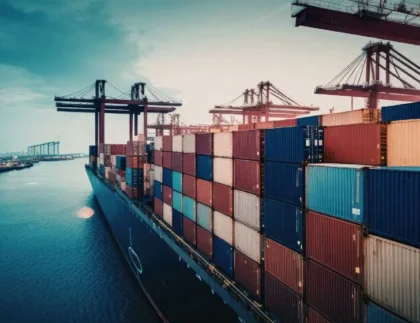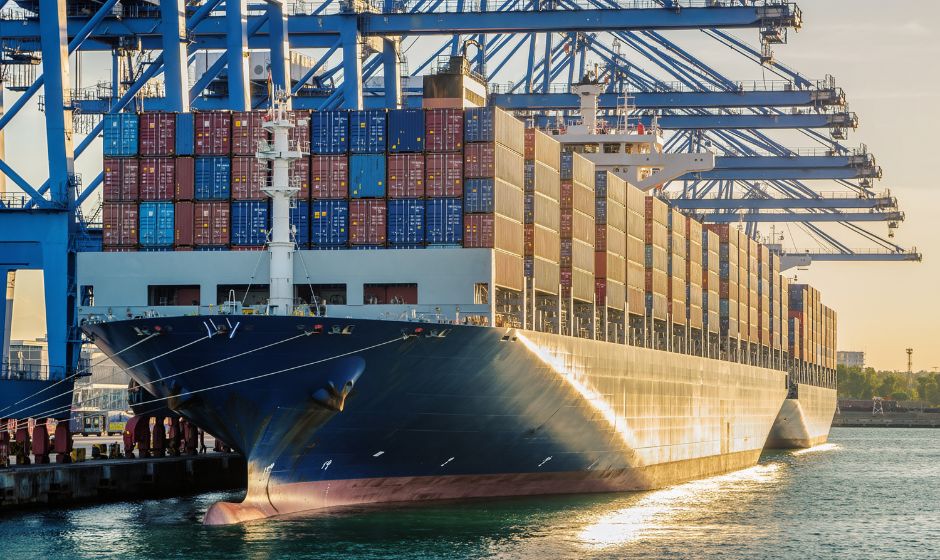
Sustainability is now a core priority in the global logistics industry. Businesses across supply chains are actively working to reduce carbon emissions, meet environmental regulations, and adopt greener transportation methods. Freight companies are no longer treating sustainability as a future goal, it is a current operational requirement.
With rising environmental awareness and stricter regulations, organizations are focusing on sustainable freight forwarding, adopting cleaner technologies, and implementing long-term green supply chain strategies. Companies that integrate sustainability into their logistics operations are improving efficiency while strengthening their environmental responsibility.
The Growing Importance of Sustainable Freight
Freight transportation plays a major role in global trade, but it also contributes significantly to carbon emissions. Road transport, air cargo, and maritime shipping all produce greenhouse gases that impact the environment.
In 2026, regulators, customers, and investors are demanding greater accountability from logistics providers. As a result, businesses are adopting carbon-neutral shipping options, improving fleet efficiency, and implementing transparent environmental logistics reporting systems.
These initiatives help organizations monitor their environmental impact while ensuring compliance with evolving sustainability standards.
Sustainable Freight Forwarding in Modern Logistics
Sustainable freight forwarding focuses on reducing emissions while maintaining efficient cargo movement. Freight forwarders now help businesses select eco-friendly carriers, optimize shipment routes, and consolidate cargo to reduce fuel consumption.
Advanced logistics technologies play an important role in this transition. Digital freight platforms analyze transportation data to identify more efficient routes and reduce empty truck miles. Many logistics companies are also aligning their operations with ESG compliance logistics standards to meet environmental, social, and governance expectations.
By prioritizing sustainable freight solutions, companies are creating more responsible and efficient logistics networks.
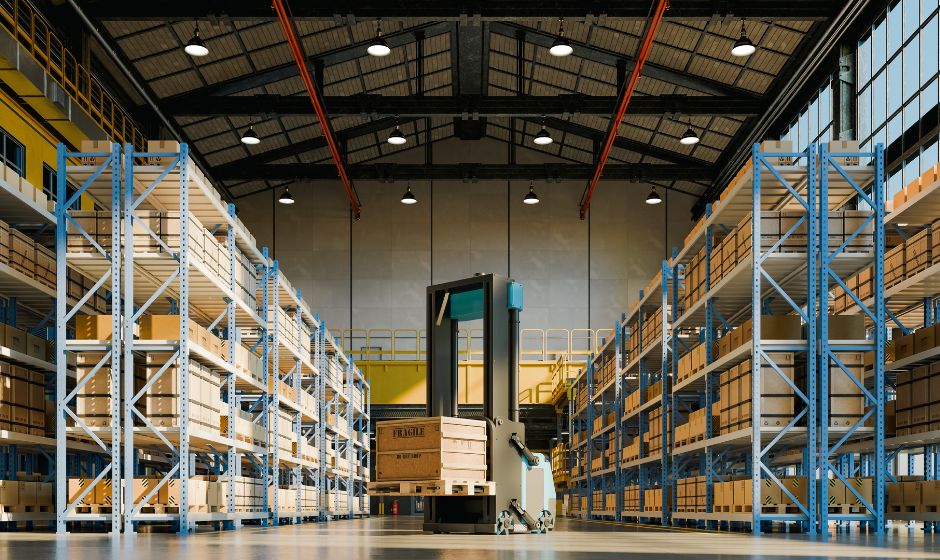
Carbon Neutral Shipping Options
Many companies are actively using carbon-neutral shipping options to balance the environmental impact of transportation. These solutions measure the carbon emissions generated by freight shipments and support projects that offset those emissions.
Popular carbon offset programs for freight support initiatives such as:
- Reforestation and forest protection
- Renewable energy development
- Waste-to-energy projects
- Methane reduction programs
While carbon offsets do not eliminate emissions entirely, they are helping businesses move closer to climate responsibility while sustainable technologies continue to evolve.
Alternative Fuel Vessels and Maritime Compliance
The maritime shipping industry is rapidly adopting cleaner technologies. Many shipping companies are introducing alternative fuel vessels for shipping, powered by fuels such as liquefied natural gas (LNG), methanol, hydrogen, and ammonia.
At the same time, shipping operators must meet international efficiency regulations. SAFA CII ratings compliance has become a key factor in evaluating the environmental performance of vessels based on fuel efficiency and carbon intensity.
To improve ratings, shipping companies are implementing fuel-efficient operations, route optimization, and slow-steaming strategies that reduce emissions during voyages.

Electric Vehicle Last-Mile Delivery
Last-mile delivery is one of the fastest-growing segments in logistics, especially due to the rise of e-commerce. In 2026, many logistics providers are shifting toward electric vehicle last-mile delivery solutions.
Electric delivery vans, cargo bikes, and compact EV trucks are increasingly used in urban distribution networks. These vehicles produce zero tailpipe emissions and help reduce air pollution in densely populated areas.
With improvements in battery technology and charging infrastructure, electric delivery fleets are becoming a practical and scalable solution for sustainable urban logistics.
Sustainable Aviation Fuel in Air Freight
Air cargo remains essential for high-value and time-sensitive shipments, but it also has a high carbon footprint.
To address this challenge, airlines and logistics companies are investing in sustainable aviation fuel (SAF).
SAF is produced from renewable sources such as agricultural waste, used cooking oil, and other bio-based materials. Compared with traditional jet fuel, SAF significantly reduces lifecycle carbon emissions.
Many freight forwarders now offer SAF contribution programs that allow businesses to support greener air freight transportation.
Building a Green Supply Chain Strategy
A successful green supply chain strategy requires collaboration across the entire logistics network.
Perhaps the most difficult challenge for supply chain managers is uncertainty. Transit times become less reliable, schedules change frequently, and unexpected disruptions can occur at any moment.
Important steps include:
- Partnering with environmentally responsible logistics providers
- Reducing packaging waste and improving material efficiency
- Optimizing transportation routes and load planning
- Investing in low-emission transportation technologies
- Implementing detailed environmental logistics reporting
These actions help organizations track their progress and continuously improve sustainability performance.
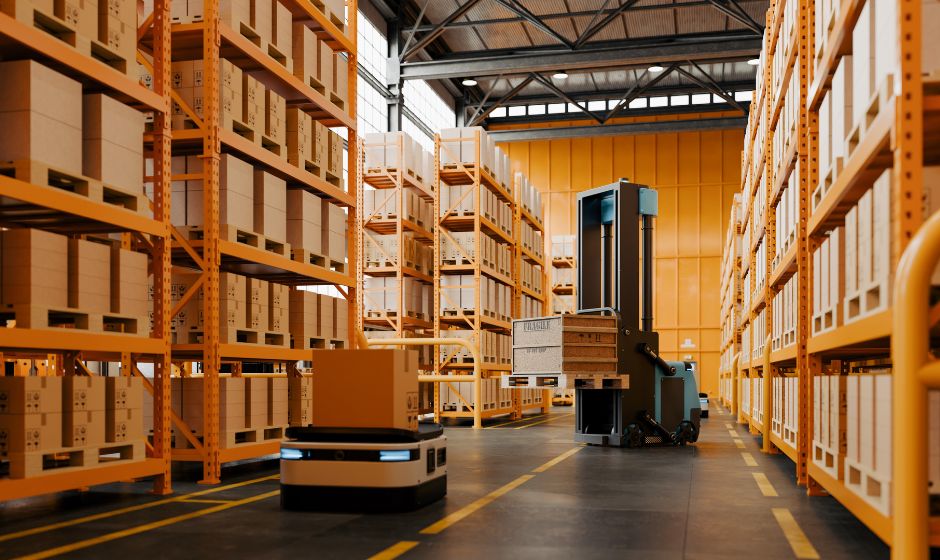
The Future of Sustainable Freight
Sustainability continues to reshape global logistics. In 2026, companies are actively adopting green technologies, improving operational efficiency, and reducing environmental impact across supply chains.
Organizations that invest in sustainable freight solutions today are building resilient logistics systems that support both business growth and environmental protection.
Green logistics is no longer optional, it is becoming the standard for responsible global trade.
Frequently Asked Questions (FAQ)
Sustainable freight forwarding involves managing shipments in ways that reduce environmental impact, such as optimizing routes, choosing eco-friendly carriers, and improving transportation efficiency.
Carbon neutral shipping options measure transportation emissions and offset them through environmental projects like renewable energy or reforestation.
Alternative fuel vessels use fuels such as LNG, methanol, hydrogen, or ammonia instead of traditional heavy fuel oil to reduce maritime emissions.
Electric delivery vehicles reduce urban emissions, lower noise pollution, and help logistics companies meet sustainability goals.
Sustainable aviation fuel is a renewable alternative to traditional jet fuel that significantly lowers lifecycle carbon emissions in air freight transportation.