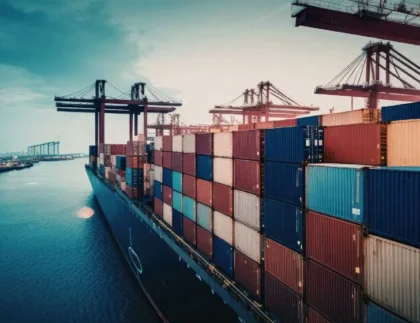
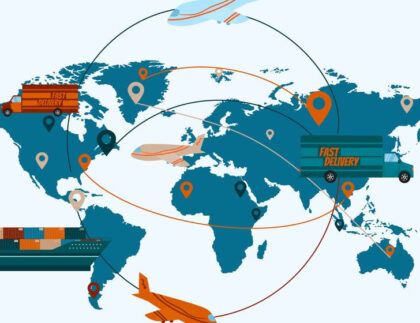
For small and medium-sized enterprises (SMEs), international shipping has always been a balancing act between cost, speed, and reliability. Full container loads (FCL) may sound ideal, but for many SMEs, filling an entire container simply isn’t practical. This is where LCL shipping for SMEs becomes a powerful strategic advantage. By leveraging consolidated freight solutions, smaller shippers can compete globally without overextending their budgets or logistics capabilities.
Understanding LCL and Groupage Shipping
Less Than Container Load (LCL), often referred to as groupage services, allows multiple shippers to share space within a single container. Instead of paying for unused capacity, SMEs pay only for the cargo space they use. This shared container logistics model has transformed global trade by making international shipping accessible to businesses of all sizes.
Cost-effective groupage services are especially valuable for SMEs that ship smaller volumes frequently. Rather than waiting to accumulate enough goods to fill a container, businesses can ship more often, improving cash flow and reducing inventory holding costs.

Why Consolidation Is a Game-Changer for SMEs
The primary advantage of consolidated freight solutions is efficiency. Freight forwarders combine shipments from multiple clients into one container, optimizing space and reducing per-unit shipping costs. This multi-client consolidation benefits everyone involved—carriers maximize container utilization, while SMEs enjoy affordable rates.
Another major benefit is flexibility. SMEs can scale shipments up or down based on demand without being locked into large shipping commitments. This adaptability is crucial in today’s volatile global markets, where demand can shift rapidly.
Less Than Container Load Optimization
Modern logistics providers are investing heavily in less-than-container-load optimization. Advanced routing software, digital documentation, and predictive analytics ensure that consolidated shipments move efficiently through ports and customs.
Optimized LCL shipping reduces transit delays, minimizes handling errors, and improves shipment visibility. For SMEs engaged in international shipping, this level of optimization provides peace of mind and allows them to focus on growing their business rather than managing logistics headaches.
The Role of Deconsolidation Warehouse Services
Once a consolidated container reaches its destination, deconsolidation warehouse services come into play. At these facilities, shipments are separated, sorted, and prepared for final delivery to each consignee.
Efficient deconsolidation is critical. Delays or errors at this stage can negate the cost savings gained through consolidation. Leading freight forwarders operate strategically located warehouses near major ports, ensuring faster turnaround times and smoother last-mile delivery for SME shipments.
Partial Load Freight Forwarding Explained
Partial load freight forwarding bridges the gap between small parcel shipping and full container loads. Freight forwarders act as coordinators, managing documentation, customs clearance, consolidation, and deconsolidation on behalf of SMEs.
This service model allows smaller businesses to access global trade lanes that were once dominated by large corporations. With expert guidance, SMEs can avoid common pitfalls such as incorrect paperwork, unexpected surcharges, or customs delays.

Navigating LCL Freight Rates in 2026
As global supply chains continue to evolve, LCL freight rates 2026 are expected to reflect a mix of stability and strategic pricing. Increased digitalization, improved container utilization, and expanded groupage networks are helping control costs, even amid fluctuating fuel prices and regulatory changes.
For SMEs, this means better predictability and more transparent pricing. However, rates will still vary based on cargo type, origin and destination, and seasonal demand. Partnering with an experienced freight forwarder remains essential for securing competitive LCL rates and avoiding hidden fees.
Shared Container Logistics and Sustainability
Beyond cost savings, shared container logistics also support sustainability goals. By maximizing container capacity, consolidated shipments reduce the number of containers moving across oceans, lowering carbon emissions per shipment.
For SMEs increasingly pressured to demonstrate environmental responsibility, LCL shipping offers a practical way to reduce their logistics footprint without sacrificing efficiency or service quality.
Choosing the Right Partner for SME International Shipping
Success in SME international shipping depends heavily on choosing the right logistics partner. Not all LCL providers offer the same level of service, network coverage, or technological capability.
SMEs should look for freight forwarders with:
- Strong global consolidation networks
- Transparent pricing models
- Reliable deconsolidation warehouse services
- Expertise in partial load freight forwarding
- Real-time shipment tracking and customer support
A trusted partner turns consolidation into a competitive advantage rather than a logistical risk.

Conclusion: Turning Consolidation into Competitive Power
In a global marketplace dominated by scale, LCL and groupage services level the playing field for SMEs. Through cost-effective groupage services, consolidated freight solutions, and optimized logistics processes, small businesses can access international markets with confidence.
Mastering LCL shipping isn’t just about saving money—it’s about gaining flexibility, improving supply chain resilience, and positioning your business for sustainable growth. For SMEs willing to embrace consolidation, the advantage is clear: smarter shipping, stronger margins, and global reach without the burden of full container commitments.