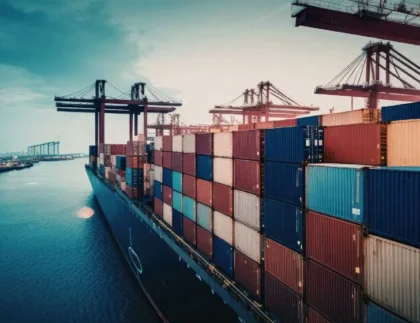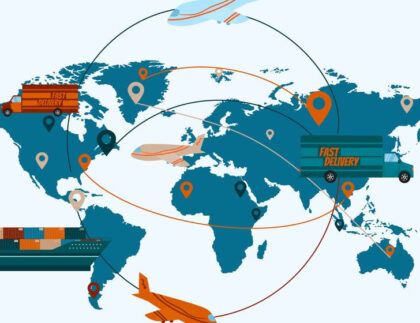
Trade wars are among the recent major disruptions in global commerce. Their impact is very significant in terms of affecting freight forwarding and logistics operations in almost all countries across the world. Such disruptions are primarily because of the imposition of tariffs and changes in trade policies, thus creating pressure on the global supply chain.
Freight forwarders, key players in international trade, have had to adapt rapidly to these changes, reshaping their strategies to mitigate risks and optimize operations in a volatile economic environment.
The Global Freight Landscape in the Shadow of Trade Wars
Trade wars are essentially economic conflicts between nations, often initiated when one country imposes tariffs or trade barriers on another. The ripples of such actions are seen in global freight operations, where established trade routes are disrupted, and uncertainty is injected into international logistics. For example, the US-China trade tensions dramatically changed global freight flows.
Companies relying on predictable and cost-efficient supply chains saw rising costs, delayed shipments, and the need to reconfigure sourcing and distribution networks. Freight forwarding companies that worked as a linking point between shipper and carrier came under direct influence from the changes introduced.
Their ability to provide effective, efficient, and cost-effective solutions was tested as they treaded across new regulatory lands, adjusted fluctuating trade volumes, and assisted clients in managing tariff-related cost increases. Challenges from trade wars indicate that global freight operations are intricately linked with international trade policies and geopolitical developments.
Tariff Effects and Supply Chain Impact
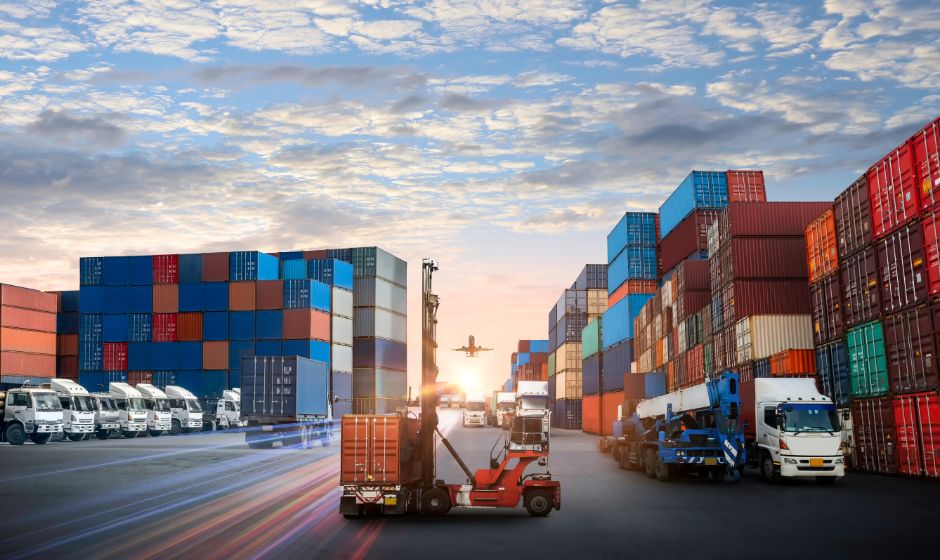
One of the most direct impacts of trade wars is the imposition of tariffs on goods traded between countries. Tariffs are an additional cost usually passed down the supply chain, raising the overall cost of goods. This impact is powerful in industries heavily relying on global supply chains, such as electronics, automotive, and consumer goods.
Freight forwarders must account for these cost increases and manage the logistical complexities of changing trade volumes and shifting demand patterns. There exists some uncertainty about new tariff impositions, which impacts the flow of goods across borders.
Importers and exporters sometimes delay shipments and overstock in anticipation of possible new tariffs imposed on their markets, thus balancing the demand for freight. A good example happened during the US-China trade war, where firms rushed to deliver goods before any tariff deadline expired; hence, a temporary surge was experienced in the freight demand, straining freight capacity and making forwarders plan poorly and allocate less available resources.
Logistics Adaptation in a Volatile Environment
In response to these issues, logistics firms have had to find innovative ways to stay competitive. One primary strategy has been diversification. Freight forwarders have helped clients explore alternative sourcing and manufacturing locations to avoid being overly dependent on tariff-affected regions. Southeast Asia, for example, became an attractive destination for companies looking to shift production away from China during the trade tensions.
Freight forwarders were pivotal in facilitating this transition, providing expertise in navigating new markets and optimizing shipping routes. Additionally, the integration of advanced technologies has enabled logistics providers to adapt to the uncertainties of trade wars.
Real-time data analytics, for example, allows companies to monitor global trade trends and predict disruptions, enabling proactive decision-making. Freight forwarders have also invested in digital platforms that enhance supply chain visibility, making it easier for clients to track shipments, assess risks, and adjust their logistics strategies.
International Freight Challenges and Resilience
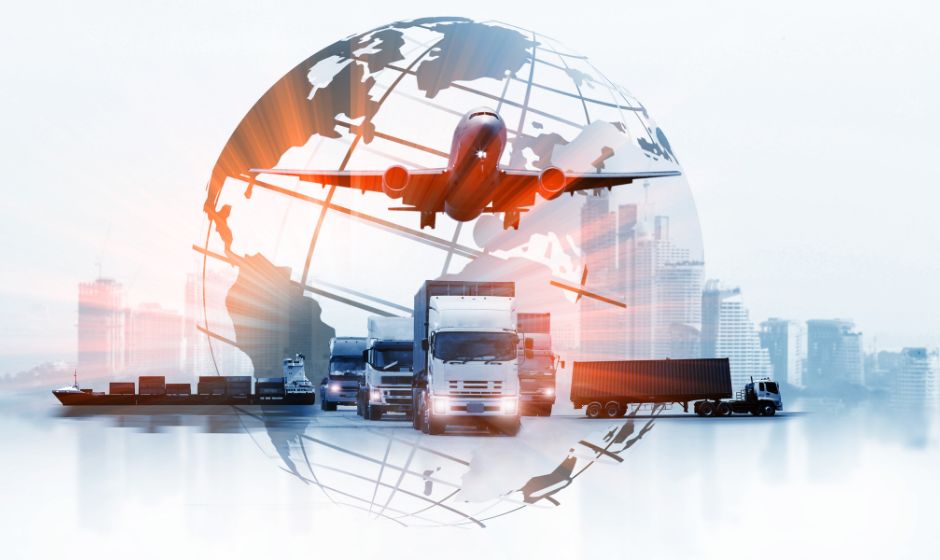
Trade wars have exposed the weaknesses of international freight operations, especially regarding compliance with changing regulations. Freight forwarders must be updated on trade policy changes, customs procedures, and documentation requirements to ensure smooth cross-border shipments.
Non-compliance may lead to delays, penalties, and reputational damage, which calls for staying ahead in a complex regulatory environment. The freight forwarding industry has shown surprising resilience despite these disruptions. Its capacity to adapt to such disturbances- from trade wars to other global happenings- is proof of the industry's strategic significance in maintaining the flow of goods and supporting international commerce.
The Broader Impact on the Global Supply Chain
The effects of a trade war not only impact business and logistics entities but realign the international supply chain from a macroeconomic perspective. With many companies focused on risk rather than cost optimization, new strategies have displaced the pursuit of lean and just-in-time supply chains with tactics emphasising more resilience and adaptability.
That is a stark change for the freight forwarders, who must help the clients build less vulnerable networks and far more diversified ones. For instance, the emergence of nearshoring and reshoring trends, among others, indicates this change. Companies are shifting their production closer to the target markets to prevent exposure to various trade-related risks.
Although this reduces reliance on long-haul shipping, freight forwarders can arrange regional logistics and ensure last-mile delivery services. In addition, the focus on sustainability and environmental concerns has brought another dimension to the complexity as companies look for sustainability logistics partners that can help them achieve their green goals.
Future Prospects for Freight Strategy and International Logistics
In the future, all of these transformations in trade policy and geopolitics will continue to influence this freight forwarding market. Freight forwarding companies must continually show agility and take proactive steps concerning emerging challenges or opportunities. Working towards building resilience over the long haul will require good collaboration along a supply chain line, increased technologies, and sensitivity to sustainability and environmental issues.
Freight strategy in this landscape cannot be understated. Companies must develop strategies that account for potential trade disruptions, align with changing customer expectations, and leverage the expertise of logistics providers.
Freight forwarders must position themselves as strategic partners, offering value-added services like trade consulting, risk management, and supply chain optimization. The ability to adapt to trade wars and other global disruptions will define the success of freight forwarders and their clients as the world becomes increasingly interconnected.
The logistics industry can navigate the challenges of a volatile global environment and continue to drive economic growth by embracing innovation, fostering collaboration, and prioritizing resilience.
Conclusion
Trade wars have undoubtedly profoundly impacted freight forwarding and global logistics. From the increased cost due to higher tariffs to broken supply chains, these economic conflicts made the logistics industry rethink its strategies and adapt to new realities.
Freight forwarders overcame the challenge by using technology, diversifying operations, and offering customized solutions to support their clients through uncertain times. With the pace of change in global trade speeding up, the capability to manage these complexities will be the key to holding a robust and efficient global supply chain.