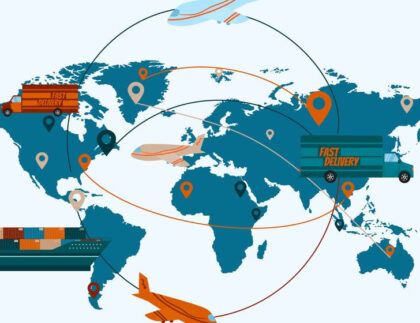
In today’s fast-evolving global economy, businesses are rethinking where and how their products are made and delivered.
For decades, offshoring—particularly to Asia—dominated manufacturing and logistics strategies.
But rising costs, supply chain disruptions, and the push for speed and sustainability have triggered a dramatic pivot: the shift to nearshoring.
In North America, this shift is placing Latin America, and especially Mexico, in a central role—reshaping logistics networks, trade relationships, and supply chain strategies.
Why Nearshoring Makes Sense Now
Nearshoring refers to relocating manufacturing operations closer to a company’s main consumer base. For U.S. companies, this often means moving production from Asia to Latin America, reducing the physical and logistical distance between supply and demand.
The benefits of nearshoring are increasingly hard to ignore:
- Shorter transit times mean faster delivery and greater agility in responding to market shifts.
- Lower transportation costs, especially with rising fuel prices and port congestion on global trade routes.
- Improved quality control and better coordination with regional teams.
- Reduced risk from geopolitical tensions and unexpected disruptions like pandemics or natural disasters.
Mexico: The Manufacturing Powerhouse
At the forefront of the nearshoring movement is Mexico, now seen as a prime manufacturing destination. Its proximity to the U.S., skilled labor force, and robust industrial infrastructure make it an ideal alternative to Asia. According to recent trade data, U.S. imports from Mexico reached record levels in 2024, outpacing China for several categories of goods.
Mexico’s manufacturing sector is thriving across industries—from automotive and electronics to medical devices and consumer goods. The ability to integrate production facilities with logistics hubs and border crossings gives manufacturers a competitive edge in reducing lead times and increasing responsiveness.
Latin American Logistics: Rising to the Challenge
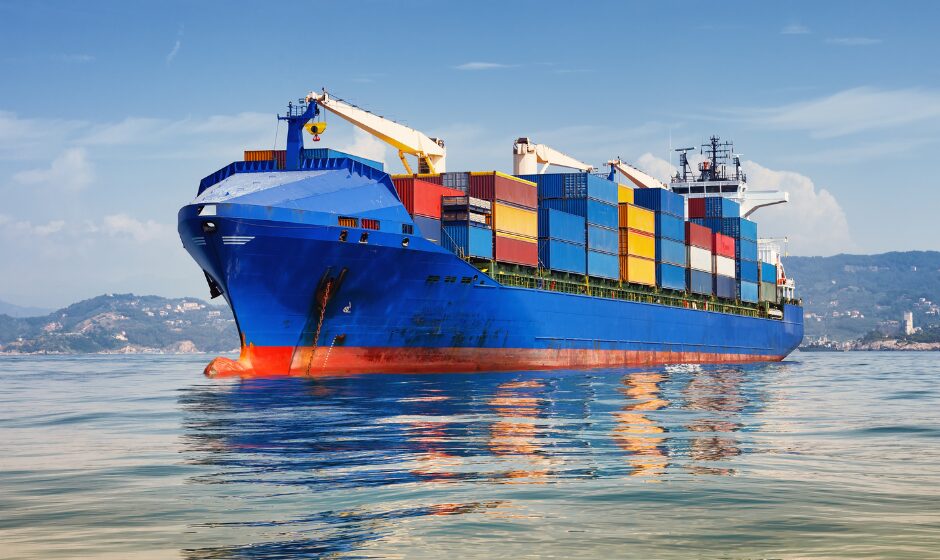
With nearshoring on the rise, Latin America’s logistics ecosystem is undergoing a major transformation. Countries like Colombia, Brazil, and Costa Rica are investing heavily in their transportation infrastructure to support export growth. Improved highways, expanded ports, and modern intermodal transportation hubs are enabling faster, more efficient cross-border trade.
A key part of this transformation is the integration of intermodal solutions—leveraging multiple modes of transport such as rail, truck, and sea to optimize delivery. This flexibility not only helps manage costs but also provides more reliable alternatives in the face of bottlenecks.
Cross-Border Shipping Gains New Importance
The U.S.-Mexico border is now one of the most vital trade corridors in the world. With nearshoring increasing, cross-border shipping is no longer just a transactional task—it’s a strategic function. Companies are investing in specialized logistics partners that understand customs compliance, documentation, and efficient movement of goods between countries.
New technologies like automated customs systems, real-time tracking, and predictive analytics are helping streamline this process. Delays that once took days can now be handled in hours, allowing businesses to maintain lean inventories and support just-in-time production.
Transit Time Reduction: A Competitive Advantage
Speed is everything in today’s marketplace. Consumers expect fast delivery, and businesses need to respond quickly to shifting demand. Nearshoring drastically reduces transit times, cutting shipping durations from several weeks to just a few days.
For example, while it may take 30+ days to ship goods from China to the U.S. by sea, it might only take 2–5 days from Mexico by truck or rail. This kind of agility can be the difference between capturing market share or missing out.
Faster transit also allows for smaller, more frequent shipments, which reduces warehousing needs and enhances cash flow.
Port Congestion and the Shift in Supply Chains
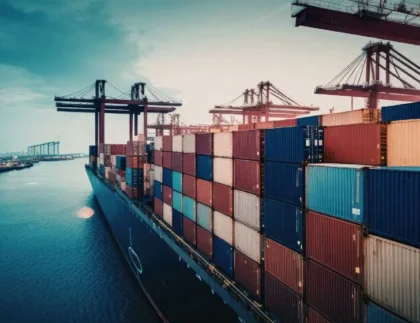
Another driver of nearshoring is the persistent port congestion seen at major U.S. coastal ports like Los Angeles and Long Beach. The pandemic-era backlog, combined with increasing global trade volumes, exposed vulnerabilities in traditional supply chains.
By moving production closer to home, companies can bypass congested ocean ports and rely more on land-based logistics routes. Ports in Latin America, particularly in Mexico’s Pacific and Gulf coasts, are expanding and modernizing to handle increased export demand. This shift also relieves pressure on U.S. ports and opens up new trade corridors through underutilized entry points.
Intermodal Transportation: The Backbone of Nearshoring
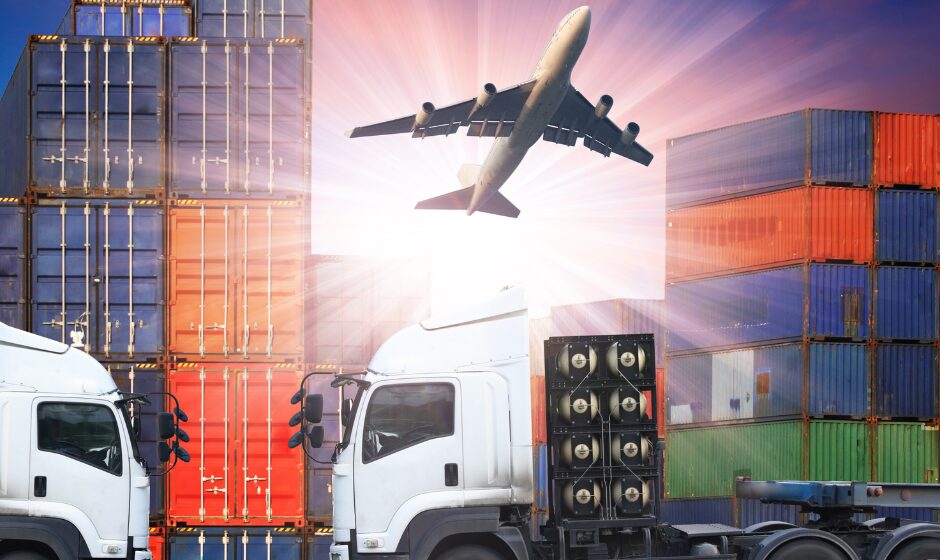
As mentioned earlier, intermodal transportation is critical to the success of nearshoring. Combining the strengths of trucking, rail, and maritime shipping allows companies to tailor their logistics plans based on cost, speed, and risk.
Mexico’s proximity enables frequent use of truck-rail combinations, especially through major rail operators like Kansas City Southern and Ferromex. These systems allow for smooth transitions from manufacturing hubs in central Mexico to the U.S. interior, helping businesses reach more markets with fewer delays.
Intermodal strategies also support greener logistics, as rail is significantly more fuel-efficient than road transport over long distances.
Regional Trade Agreements Expand the Opportunity
Beyond USMCA, Latin American countries are actively forming and participating in regional trade agreements that make cross-border business easier. Agreements such as the Pacific Alliance (Chile, Colombia, Mexico, Peru) and Mercosur (Brazil, Argentina, Uruguay, Paraguay) aim to reduce trade barriers, streamline customs, and foster economic collaboration.
These agreements not only open up new sourcing and sales opportunities but also encourage regional integration, which is essential for building resilient supply chains that can adapt to global disruptions.
Nearshoring vs. Reshoring: A Smarter Alternative
While reshoring—bringing manufacturing back to the U.S.—has gained political attention, it’s not always practical due to high labor costs and capacity limitations. Nearshoring presents a viable alternative: it brings production closer, enhances control, and reduces risk, all while maintaining cost efficiency.
For many businesses, nearshoring offers the best of both worlds—affordable production and improved supply chain visibility without the extreme expenses of reshoring.

Final Thoughts
The logistics landscape is undergoing a profound shift, driven by the need for resilience, speed, and cost control. Nearshoring to Latin America, with Mexico leading the charge, is no longer a trend—it’s a strategic imperative for forward-thinking companies.
By embracing regional trade partnerships, optimizing cross-border logistics, and leveraging intermodal transportation, businesses can build agile, efficient, and future-ready supply chains.
In the years ahead, companies that adapt early will be best positioned to thrive in this new logistics era—one where geography, strategy, and technology converge to create smarter global trade.