Introduction
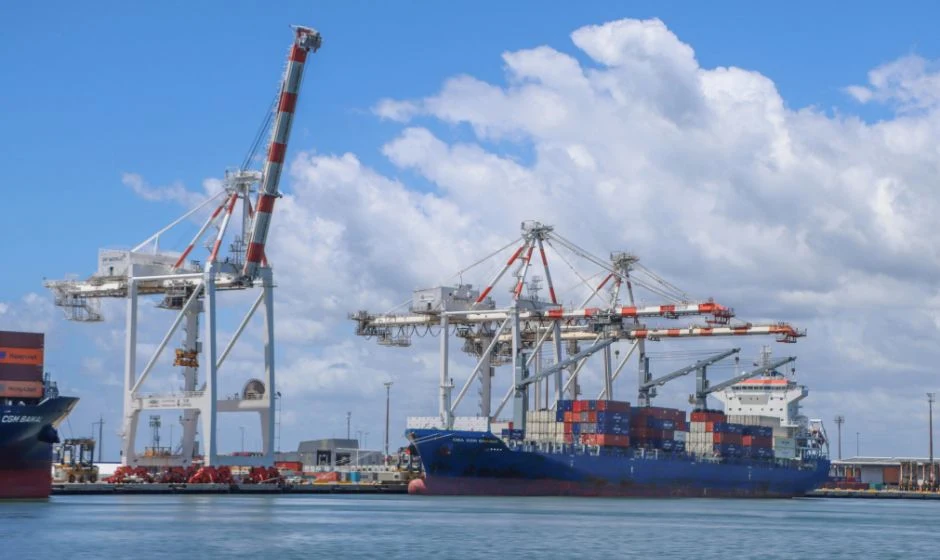
The Mundra Port disruptions in 2026 highlighted how quickly a change in container-handling procedures can affect India’s import-export supply chain. In late August and early September, an empty-container yard dispute involving Adani Ports and Special Economic Zone (APSEZ) and depot operators and transporters disrupted container movements at one of India’s major container gateways.
The dispute raised concerns about container availability, export schedules, transportation costs, and coordination between logistics stakeholders. Although empty containers may appear to be a routine part of shipping operations, their timely availability is essential for exporters and freight forwarders.
What Triggered the Mundra Port Strike in 2026?
The disruption followed APSEZ’s decision to freeze empty-yard codes outside the Mundra Port and Special Economic Zone (SEZ) limits from 1 September 2026. Under the revised arrangement, shipping lines were required to nominate empty containers to designated facilities within the port and SEZ area.
APSEZ said the change was intended to improve security, reduce road congestion, increase vehicle turnaround efficiency, and address the alleged misuse of empty-depot codes.
However, the Mundra Empty Container Yards and Allied Services Provider Association (MECYASA) opposed the change and suspended operations from 28 August. Container transporters subsequently supported the stoppage, further restricting empty-container movements.
According to industry estimates reported by The Financial Express, approximately 5,000 containers a day were at risk of being held up during the disruption. Shipping lines, including CMA CGM and Hapag-Lloyd, issued customer advisories warning about restrictions on empty-container releases and returns.
How Did the Disruption Affect Freight Forwarders?
The strike demonstrated that a disruption involving empty containers can affect the entire shipping process, even when some container freight station (CFS) activities continue.
1. Delays in export shipments
Exporters depend on freight forwarders and transporters to arrange empty containers for factory stuffing. When containers are unavailable, cargo preparation can be delayed, increasing the risk of missing vessel cut-off times.
2. Difficulties returning import containers
Importers must return empty containers according to shipping-line instructions. Disrupted yard operations can complicate returns, affect equipment availability, and potentially lead to additional detention or transport costs.
3. Higher logistics costs
Delays can create extra expenses through truck waiting time, additional handling, container repositioning, and missed sailings. Freight forwarders may also need to coordinate revised bookings and communicate unexpected costs to customers.
4. Pressure on exporters
Industries relying on regular container movements, including ceramics and other manufacturing and agricultural export sectors, can face production and dispatch challenges when shipping schedules become uncertain.
These effects illustrate why freight forwarding requires close coordination between shipping lines, depot operators, transporters, customs brokers, and cargo owners.
Mundra Port Operations: What Happened Next?
The disruption continued into September as stakeholders discussed the revised empty-container arrangements. On 10 September 2026, The Financial Express reported that the yard operators had called off their 13-day strike and resumed operations.
However, the end of the strike did not automatically resolve every concern surrounding the new system. Further coordination was still important to ensure adequate handling capacity, workable operating procedures, and reliable container access across the affected logistics network.
The episode highlighted the importance of preparing alternative arrangements before changing established logistics processes, particularly at ports handling substantial volumes of international trade.
Key Lessons for Freight Forwarders in 2026
The Mundra Port empty-container yard strike offers several practical lessons for logistics businesses.
- Develop contingency plans: Identify alternative yards, transport providers, and routing options wherever operationally feasible.
- Monitor shipping-line Advisories: Check container release instructions, return locations, booking changes, and vessel cut-off times regularly.
- Communicate with customers early: Inform exporters and importers about possible delays, revised schedules, and potential additional charges.
- Build time buffers into shipment planning: Avoid relying entirely on last-minute container collection, particularly during periods of operational uncertainty.
- Strengthen stakeholder coordination: Maintain regular communication with shipping lines, transporters, customs brokers, and port service providers.
Freight forwarders should also document disruption-related costs and review service-level commitments to help manage customer expectations.
Conclusion
The Mundra Port disruptions in 2026 showed that empty-container management is a critical part of international freight logistics, not simply a storage function. A dispute over depot arrangements quickly developed into a wider operational challenge, affecting container availability and creating uncertainty for exporters, importers, and transport providers.
For freight forwarders, the central lesson is to combine flexible shipment planning, timely communication, and effective contingency management. As India’s trade volumes and logistics infrastructure continue to evolve, resilient coordination between all supply chain participants will remain essential to maintaining dependable cargo movements.
Frequently Asked Questions (FAQs)
The disruption followed APSEZ’s decision to freeze empty-yard codes outside the port and SEZ limits from 1 September 2026, prompting opposition from empty-container yard operators and a subsequent stoppage involving transporters.
It disrupted empty-container availability and returns, creating risks of shipment delays, missed vessel cut-offs, additional handling expenses, and higher transportation costs.
According to The Financial Express, yard operators called off the 13-day strike and resumed operations on 10 September 2026.
Freight forwarders can monitor carrier advisories, arrange feasible alternatives, maintain schedule buffers, communicate proactively with customers, and coordinate closely with transporters and depot operators.
Empty containers must be available for export cargo stuffing and returned after import cargo is unloaded. Disruptions to these movements can affect vessel schedules, container availability, and overall supply chain efficiency.