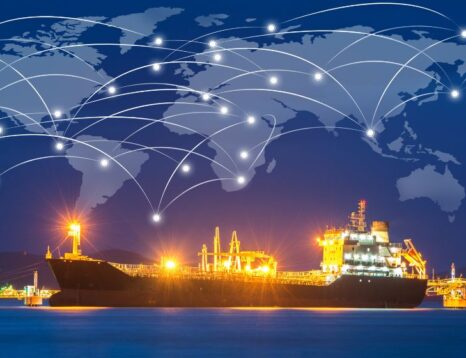
The global logistics industry is becoming increasingly data-driven in 2026, and smart containers are emerging as an important part of this transformation. Instead of treating containers as passive boxes that simply carry cargo, logistics companies can now use connected devices to monitor their location, condition, security, and utilization throughout the shipment journey.
This shift is being supported by the wider digitalization of container shipping. The Digital Container Shipping Association (DCSA) continues to develop standards for continuous container tracking and IoT data sharing, while the International Organization for Standardization (ISO) is developing ISO/DTS 25287 to address smart container functionality, interoperability, security, and data privacy.
What Are Smart Containers?
Smart containers are shipping containers equipped with connected technologies such as GPS trackers, IoT devices, and sensors. These devices can collect and transmit information about the container and, depending on the equipment installed, the cargo inside it.
An IoT-enabled real-time container tracking system can provide information about where a container is, while sensors can monitor conditions such as temperature, humidity, movement, door openings, and other events.
This creates real-time container location visibility, allowing freight forwarders, carriers, shippers, and cargo owners to respond to problems rather than discovering them after delivery.
From GPS Tracking to Intelligent Cargo Monitoring
Traditional tracking often depended on milestone updates such as gate-in, loading, discharge, and delivery. Smart containers can provide a much more continuous data stream.
Through GPS and sensor data integration, logistics teams can combine location information with cargo-condition data. For example, a temperature-sensitive shipment can be monitored during its journey, while unusual temperature or humidity changes can trigger an alert.
DCSA's current Track & Trace standards are designed to support continuous visibility into container whereabouts and operational events across the container journey. Its IoT Commercial Events standards also provide a framework for standardized sharing of data from containers fitted with IoT devices.
Protecting Cargo Through Real-Time Alerts
Cargo visibility is not only about knowing where a container is. Security is becoming another important application.
Smart devices can detect events such as unexpected door openings, unusual movements, or deviations from an expected route. Security breach detection and alerting can then notify the appropriate team so that an investigation can begin quickly.
This can be particularly useful for high-value goods, pharmaceuticals, electronics, and other sensitive cargo where unauthorized access or unexplained movement can create significant financial and operational risks.
At the same time, the development of smart-container standards is putting greater emphasis on security and data privacy. ISO's smart-container work specifically includes these areas as part of the technical requirements being developed in 2026.
Improving Container Fleet Utilization
One of the biggest opportunities goes beyond shipment tracking: asset utilization optimization analytics.
Container operators need to know where their equipment is, how long it remains in particular locations, and how effectively it is being used. Data from connected containers can help identify idle equipment, repeated empty movements, and inefficient allocation patterns.
Better visibility can support container utilization rate improvements by helping companies allocate available equipment more efficiently. Instead of relying entirely on historical assumptions, fleet managers can make decisions using current operational data.
DCSA's 2026 Industry Blueprint also recognizes the container as part of an end-to-end equipment journey, covering activities from empty equipment allocation and pickup through loading, discharge, and eventual empty return.
Predictive Maintenance for Container Fleets
Smart containers can also contribute to predictive maintenance for container fleets.
Instead of waiting for equipment problems to become serious, connected sensors can help identify unusual conditions or recurring issues. Maintenance teams can use this information to prioritize inspections and repairs.
Over time, this approach can reduce unnecessary maintenance while helping operators keep equipment available for customers. For large fleets, even small improvements in equipment availability can have a meaningful operational impact.
Reducing Detention and Demurrage Costs
Another practical benefit is better management of container turnaround.
Delays in collecting, unloading, or returning equipment can contribute to detention and demurrage charges. With more accurate container location and milestone information, logistics teams can identify approaching deadlines and coordinate actions earlier.
Smart-container data does not automatically eliminate these charges, but real-time visibility can help companies make faster decisions and reduce avoidable delays.
Integration With Freight Technology
Smart containers become even more valuable when their data does not remain inside a separate tracking application.
Integration with freight execution platforms can bring container location, cargo condition, shipment milestones, and exception alerts into existing logistics workflows. This allows teams to connect physical cargo movements with bookings, transport planning, documentation, and customer communication.
The industry's movement toward standardized APIs and data models is important here. DCSA's standards are intended to make digital shipping information easier to exchange between different stakeholders and platforms.
What Comes Next for Smart Containers?
In 2026, the industry is moving from basic visibility toward more connected and intelligent container operations. The focus is increasingly on turning raw tracking data into useful decisions about cargo protection, equipment allocation, maintenance, and shipment execution.
However, adoption still depends on factors such as device costs, battery life, network coverage, interoperability, cybersecurity, and data governance. Standardization will therefore remain important as more carriers, logistics providers, and technology companies adopt connected-container solutions.
Smart containers are ultimately changing the role of the container itself. What was once a largely passive transport asset is becoming a source of operational data. For logistics companies, that means better visibility, smarter asset decisions, and greater control over cargo throughout the supply chain.
Frequently Asked Questions (FAQs)
A smart container is a shipping container equipped with connected devices such as GPS trackers, IoT equipment, and sensors that can collect and transmit information about its location, condition, security, or movement.
Sensors can monitor conditions such as temperature and humidity, depending on the equipment installed. When readings move outside defined parameters, the system can generate alerts for logistics teams.
They can help by providing better visibility into container movements, deadlines, and return status. This can allow logistics teams to identify potential delays earlier and take corrective action.
Data on container location, availability, movement, and idle periods can be analyzed to improve equipment allocation and reduce unnecessary empty or inactive periods.
Standardization is actively developing. DCSA has established standards for Track & Trace and IoT-related container events, while ISO is currently developing ISO/DTS 25287, covering smart-container functionality, interoperability, security, and data privacy.