Global investment in critical infrastructure is entering a major expansion phase in 2026, covering ports, railways, energy systems, transport corridors, data infrastructure, and industrial facilities. PwC estimates that annual global infrastructure spending could rise from US$4.4 trillion in 2024 to US$6.9 trillion by 2050, with transport and power accounting for around half of total investment.
For the logistics industry, this investment is creating new requirements around oversized cargo, construction materials, multimodal transportation, delivery sequencing, and infrastructure resilience. Projects are becoming larger and more interconnected, making logistics planning an important part of project execution.
Growing Demand for Construction and Project Cargo Logistics
Large infrastructure programs require continuous movement of steel, cement, machinery, electrical equipment, transformers, turbines, and other specialised components. This is increasing demand for large-scale construction material logistics and project cargo transport planning.
Unlike conventional freight, project cargo often involves oversized or heavy equipment that requires route surveys, specialised vehicles, lifting arrangements, permits, and carefully coordinated delivery schedules. A delay in transporting one critical component can affect several stages of construction.
India provides a current example. Under the Sagarmala program, 120 port-modernization projects had been completed by March 2026, adding more than 400 million tonnes per annum of new port capacity.
Port Modernization Is Changing Freight Flows
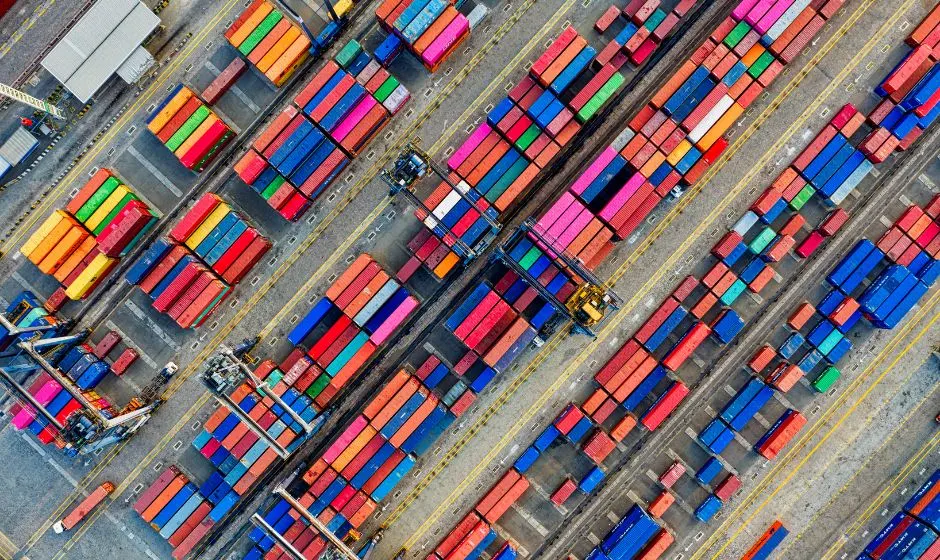
Port development is becoming closely connected with wider infrastructure investment. In July 2026, India's Ministry of Ports, Shipping and Waterways reported 182 infrastructure-development and port-connectivity projects worth ₹1.09 lakh crore identified under the PM Gati Shakti framework.
This creates opportunities but also temporary logistics challenges. Construction zones, restricted access, changing terminal layouts, and increased equipment movements can affect normal cargo operations.
Therefore, port modernization and expansion of freight require forwarders to coordinate construction cargo with regular import and export flows while monitoring temporary restrictions and available handling capacity.
Energy Infrastructure Requires Specialized Planning
Investment in power generation, grids, pipelines, and energy terminals is also increasing the need for energy infrastructure shipping requirements.
In 2026, geopolitical disruption around the Strait of Hormuz has encouraged Gulf countries to accelerate investments in alternative ports, pipelines, and transportation routes. Reuters reported that Saudi Arabia and the UAE were pursuing infrastructure changes designed to diversify energy-export routes and reduce dependence on the chokepoint.
For logistics providers, this means energy-related projects may require alternative routing plans, additional storage capacity, and contingency transportation options.
Transportation Corridors Need Integrated Logistics
Infrastructure investments increasingly connect multiple modes rather than focusing on individual roads, ports, or railways. India's railway network provides an example: as of April 2026, 514 railway infrastructure projects covering approximately 40,000 km had been sanctioned, while both the Eastern and Western Dedicated Freight Corridors had been commissioned.
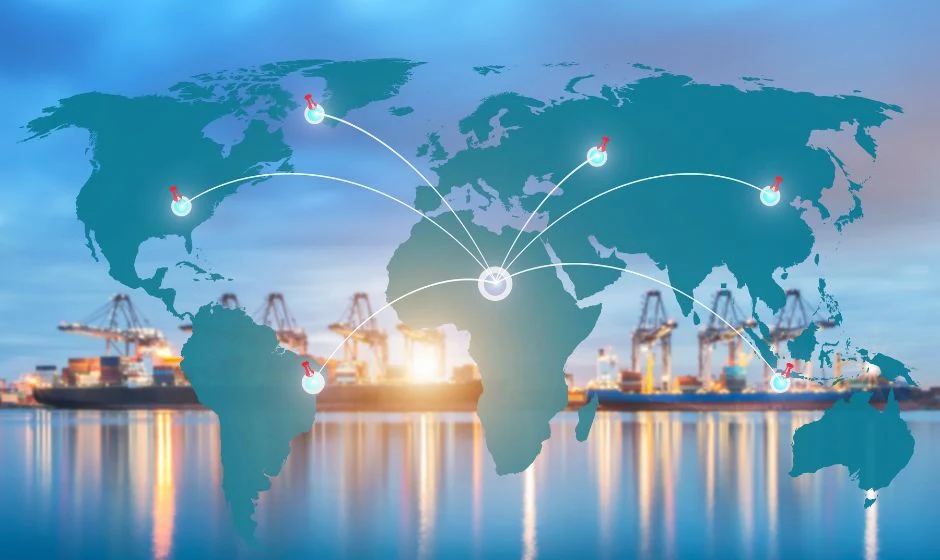
This makes transportation corridor development particularly important for freight planners. Cargo may move by vessel, rail, road, and inland waterways during a single project. Coordinating these modes can reduce unnecessary handling and help maintain predictable delivery schedules.
Manufacturing and Delivery Must Be Coordinated Earlier
Large infrastructure projects frequently depend on equipment manufactured in different countries. Transformers, turbines, generators, cranes, control systems, and other components may have different production and delivery timelines.
Equipment manufacturing and delivery coordination therefore needs to begin before construction reaches the installation stage. Logistics teams need visibility into manufacturing milestones, shipping schedules, customs requirements, site readiness, and final-mile transportation.
Phased Delivery Is Becoming Essential
Infrastructure projects can operate for several years, making a single bulk delivery strategy impractical. Phased delivery sequencing allows materials and equipment to arrive according to construction requirements.
This approach can reduce unnecessary storage at project sites and prevent valuable equipment from arriving before foundations, installation areas, or supporting systems are ready.
At the same time, large projects may require workforce accommodation logistics, including movement of workers, temporary facilities, food supplies, safety equipment, and other essential resources to remote construction locations.
Environmental Compliance Is Part of Logistics Planning
Environmental requirements are increasingly influencing infrastructure logistics. The EU's 2026 Global Gateway conclusions, for example, emphasize environmental and social sustainability alongside infrastructure investment.
In India, a September 2026 amendment extended the minimum validity of environmental clearances for ports and harbors from 10 to 20 years, while retaining requirements around environmental safeguards.
For logistics providers, environmental compliance in construction can affect routing, equipment selection, documentation, emissions management, and site operations.
Infrastructure Lifecycle Logistics Planning
The logistics role does not end when construction is completed. Spare parts, maintenance equipment, replacement components, and operational supplies will continue moving throughout an asset's useful life.
This makes infrastructure lifecycle logistics planning increasingly relevant. Logistics providers that understand the complete lifecycle—from manufacturing and construction through commissioning, maintenance, and eventual replacement—can better support long-term infrastructure projects.
Key Takeaways
- Global infrastructure investment is increasing demand for specialized project logistics.
- Port and transport-corridor development can significantly change regional freight flows.
- Energy infrastructure requires contingency planning around vulnerable trade routes.
- Phased deliveries can align cargo movements with construction schedules.
- Environmental requirements are becoming an important part of infrastructure logistics.
- Lifecycle planning can extend logistics support beyond the construction phase.
Frequently Asked Questions (FAQs)
They are increasing demand for project cargo, construction materials, specialised equipment transportation, multimodal freight, and coordinated delivery planning.
Infrastructure projects often involve oversized or heavy equipment requiring specialised transport, permits, lifting arrangements, and carefully planned routes.
Modernization can increase long-term capacity while temporarily changing terminal access, cargo-handling arrangements, and inland transportation requirements.
Phased delivery aligns cargo arrivals with construction milestones, helping reduce unnecessary storage and preventing equipment from reaching sites before it is required.
It is the process of planning logistics requirements across an asset's full lifecycle, including construction, commissioning, maintenance, spare parts, and eventual replacement.