

Global Trade Lanes Built for Your Cargo
From Shanghai to Santos, Ningbo to Rotterdam, and Hong Kong to Sydney — PGS Logistics connects Asia to the world's major markets.
Introduction
PGS Logistics operates across the world's most active trade lanes, moving cargo between Asia and key markets in Latin America, Europe, Africa, North America, and Oceania. Below is an overview of our core trade lanes, including key origin and destination ports, plus sourced insights for each route.
All lanes are served by our full Sea Freight portfolio — FCL, LCL, break bulk, and buyer's consolidation — backed by offices across Asia and a global agency network.
Moving oversized, heavy-lift, or break-bulk project cargo on these same lanes? Visit our Project Cargo page to see how we handle the impossible.
Note: Lane overviews below contain stable, evergreen information about our routes, ports, and services. For current rates, surcharges, and capacity availability, please contact our team directly.
Key Trade Lanes
Asia → South America (East Coast)
Origin Ports:
- China: Shanghai, Ningbo, Shenzhen, Qingdao, Tianjin, Xiamen, Guangzhou.
- India: Mundra, Nhava Sheva (JNPT), Chennai, Kolkata.
- Southeast Asia: Ho Chi Minh City, Haiphong, Port Klang, Laem Chabang, Jakarta, Singapore, Manila.
- Greater China: Hong Kong, Kaohsiung, Keelung.
- North East Asia: Busan, Yokohama, Nagoya, Osaka, Kobe.
Destination Ports: Santos, Itapoá, Itajai, Manaus, Vitoria, Asuncion, Montevideo, Buenos Aires
Lane Overview:
China to Brazil trade remains the backbone of this lane. Containerized imports to South America have grown steadily, with shipments from Greater China now representing approximately 40% of the region's total imports. Brazil alone accounts for roughly 26% of the region's total import volumes.
Santos, Latin America's largest port, consistently handles record volumes. Itapoá, Paranagua, Salvador, and Suape have also seen significant growth, with China accounting for nearly half of Itapoá's imports.

Carriers continue to invest in this lane, deploying larger vessels and adding capacity to meet sustained demand.
Project cargo note: PGS regularly handles CESS/BESS, break bulk, and OOG shipments on this lane. Learn more about our Project Cargo capabilities
Best For: Consumer goods, electronics, EVs, machinery, Tires, Textiles, industrial components destined for Brazil.
Lane Overview:
This lane has experienced significant capacity investment from major carriers.
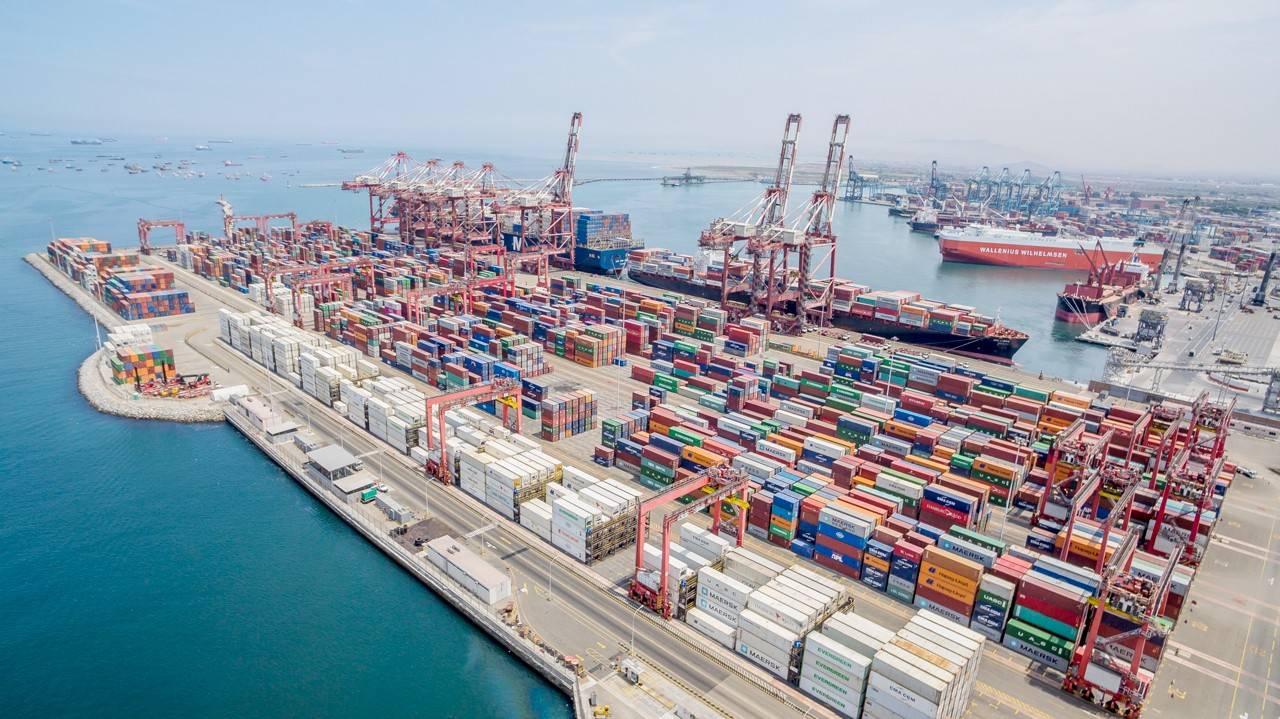
Callao remains the west coast hub, consistently handling over 3 million TEUs annually. Chancay, South America's first fully automated port, offers direct China–Peru service with transit times reduced to approximately 23 days from Shanghai.

Asia → South America (West Coast)
Origin Ports:
- China: Shanghai, Ningbo, Shenzhen, Qingdao, Tianjin, Xiamen, Guangzhou
- India: Mundra, Nhava Sheva (JNPT).
- Southeast Asia: Ho Chi Minh City, Port Klang, Singapore, Jakarta
- Greater China: Hong Kong, Kaohsiung.
- North East Asia: Busan, Yokohama, Nagoya, Osaka, Kobe.
Destination Ports: Chancay, Callao, Guayaquil, Buenaventura, Valparaiso, San Antonio.
Best For: Electronics, automotive parts, textiles, and general cargo for Peru and Chile.
Asia → Mexico
Origin Ports:
- China: Shanghai, Ningbo, Shenzhen, Qingdao, Tianjin, Xiamen, Guangzhou
- India: Mundra, Nhava Sheva (JNPT)
- Southeast Asia: Ho Chi Minh City, Port Klang, Singapore
- Greater China: Hong Kong, Kaohsiung
Destination Ports: Lázaro Cárdenas, Manzanillo, Ensenada, Progreso.
Lane Overview:
Mexico's Pacific ports serve as key gateways for Asian cargo destined for Mexican manufacturing hubs and as transshipment points for onward movement to other Latin American markets.
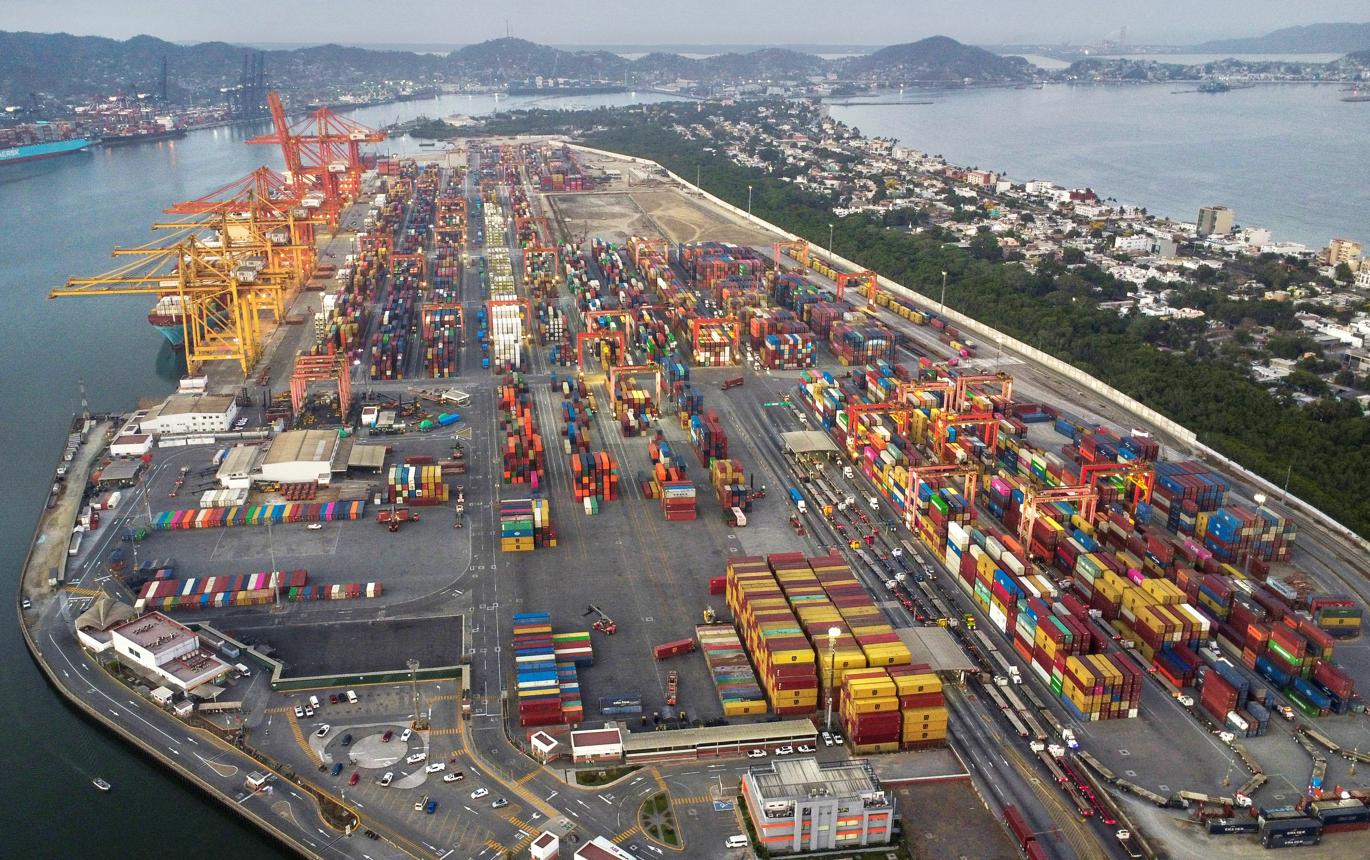
Lázaro Cárdenas is the primary container gateway on Mexico's Pacific coast, while Manzanillo remains the country's largest container port by volume. Both ports connect directly with major Asian origins, supporting automotive, electronics, and consumer goods supply chains.
Best For: Automotive parts, electronics, machinery, and consumer goods for Mexican manufacturing and distribution.
Lane Overview:
Caribbean ports serve as important transshipment and distribution hubs for cargo destined to Central America and the wider Caribbean basin.
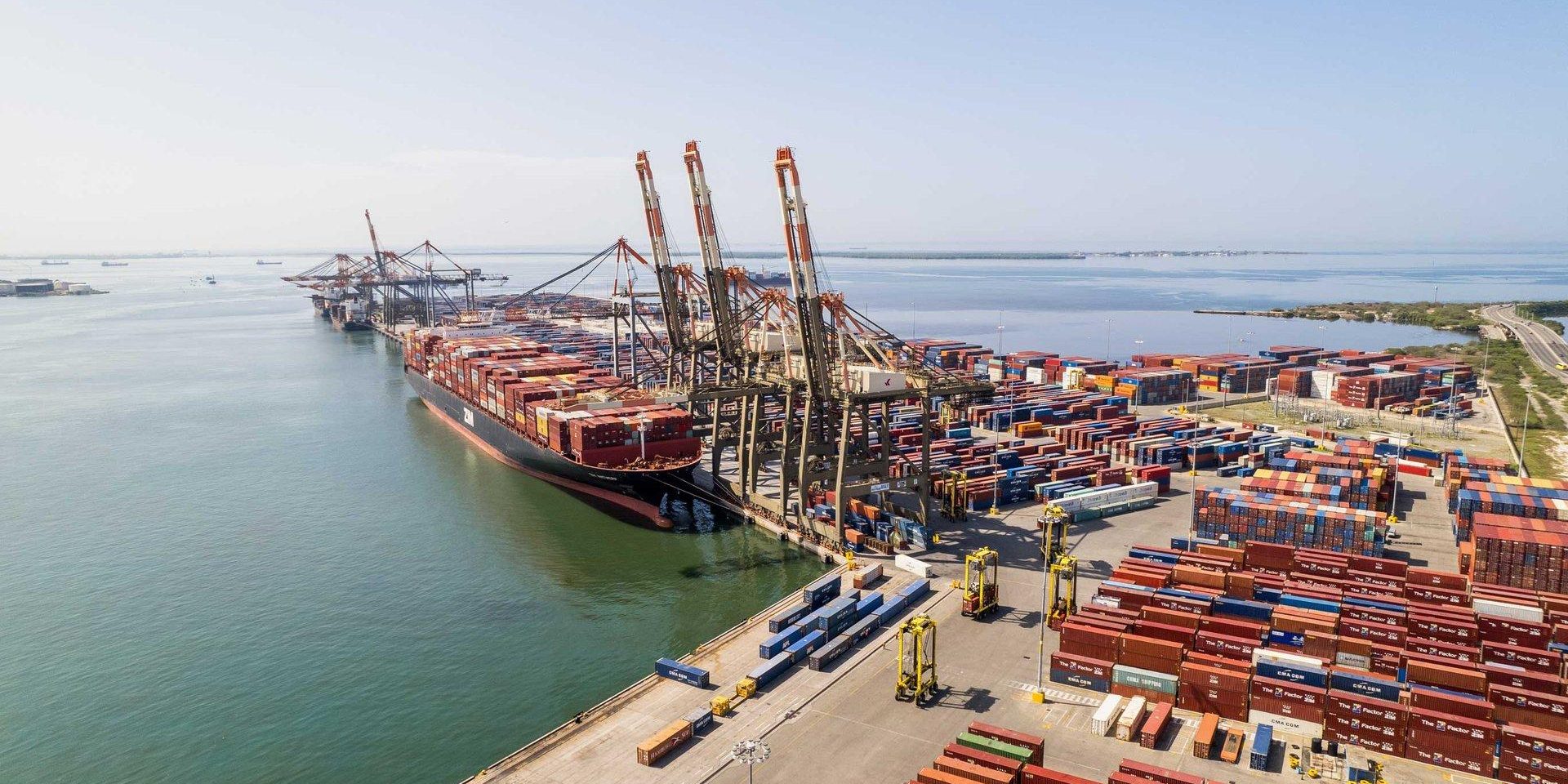
Cartagena and Kingston are among the region's most significant container transshipment points, connecting Asian imports with feeder services throughout the region. These ports provide efficient access to markets across the Caribbean, Central America, and northern South America.
Asia → Caribbean Region
Origin Ports:
- China : Shanghai, Ningbo, Shenzhen, Qingdao, Tianjin, Xiamen, Guangzhou
- India: Mundra, Nhava Sheva (JNPT)
- Southeast Asia: Ho Chi Minh City, Port Klang, Singapore
- Greater China: Hong Kong, Kaohsiung, Taipei
- North East Asia: Busan, Yokohama, Nagoya, Osaka, Kobe
Destination Ports: Cartagena, Kingston, Moin, Port of Spain, Puerto Cortes, La Guaira, Puerto Cabello, Rio Haina, Caucedo.
Best For: Consumer goods, electronics, and general cargo for Caribbean distribution networks.
Asia → North Europe
Origin Ports:
- China: Shanghai, Ningbo, Shenzhen, Qingdao, Tianjin Xiamen
- India: Mundra, Nhava Sheva (JNPT), Chennai
- Southeast Asia: Ho Chi Minh City, Port Klang, Laem Chabang, Singapore
- Greater China: Hong Kong, Kaohsiung, Taipei
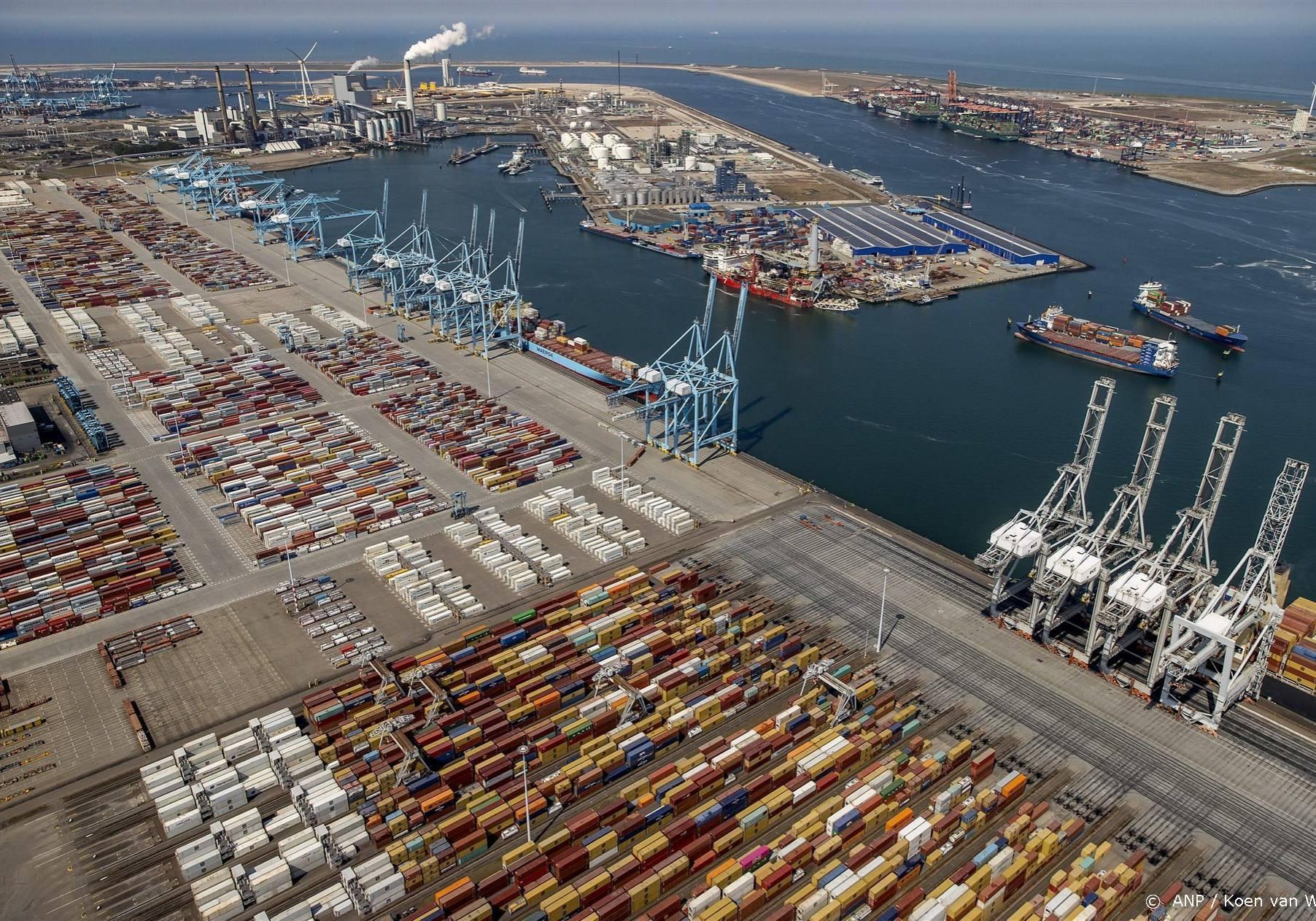
Destination Ports: Rotterdam, Hamburg, Antwerp, Gdansk/Gdynia, Le Havre, Southampton, Felixstowe, London Gateway.
Lane Overview:
Asia–North Europe is the most predictable main East-West container trade lane, with strong schedule reliability across services. This trade lane accounts for approximately a quarter of global container capacity.
The lane continues to attract significant capacity deployment, with steady growth in vessel deployment over recent years. Roughly 25% of the global fleet is now deployed from the Far East to North Europe and the Mediterranean, up from approximately 20.8% three years ago.
Best For: Consumer goods, machinery, automotive electronics, and e-commerce cargo for European markets.

Asia → Adriatic
Origin Ports:
- China: Shanghai, Ningbo, Shenzhen
- India: Mundra, Nhava Sheva (JNPT)
- Southeast Asia: Ho Chi Minh City, Port Klang, Singapore
- Greater China: Hong Kong, Kaohsiung
Destination Ports: Trieste, Koper, Venice, Rijeka, Durrës
Lane Overview:
Adriatic ports offer a strategic alternative to congested Northern European gateways, with efficient access to hinterland markets in Central and Eastern Europe.
Koper has recorded record volumes driven by new business operations serving these markets. Trieste maintains stable gateway cargo throughput, with transshipment volumes reflecting broader shifts in alliance structures. Both ports provide competitive transit times to inland destinations across Central and Eastern Europe.
Best For: Cargo for Central and Eastern Europe.
Asia → Mediterranean
Origin Ports:
- China: Shanghai, Ningbo, Shenzhen, Qingdao
- India: Mundra, Nhava Sheva (JNPT)
- Southeast Asia: Ho Chi Minh City, Port Klang, Singapore, Laem Chabang
- Greater China: Hong Kong, Kaohsiung
Destination Ports: Valencia, Algeciras, Piraeus, Genoa, Barcelona, Marseille
Lane Overview:
The Asia–Mediterranean trade lane has seen significant capacity deployment from major carrier alliances. Gemini Cooperation has expanded its capacity market share on this lane, launching additional loops and upgrading vessel sizes to serve growing demand.
Mediterranean ports serve as key gateways for cargo destined to Southern European markets, with Valencia and Algeciras among the region's busiest container hubs. Piraeus serves as a major transshipment point for cargo destined to Eastern Mediterranean and Black Sea markets.
Best For: Retail goods, automotive parts, and industrial products.

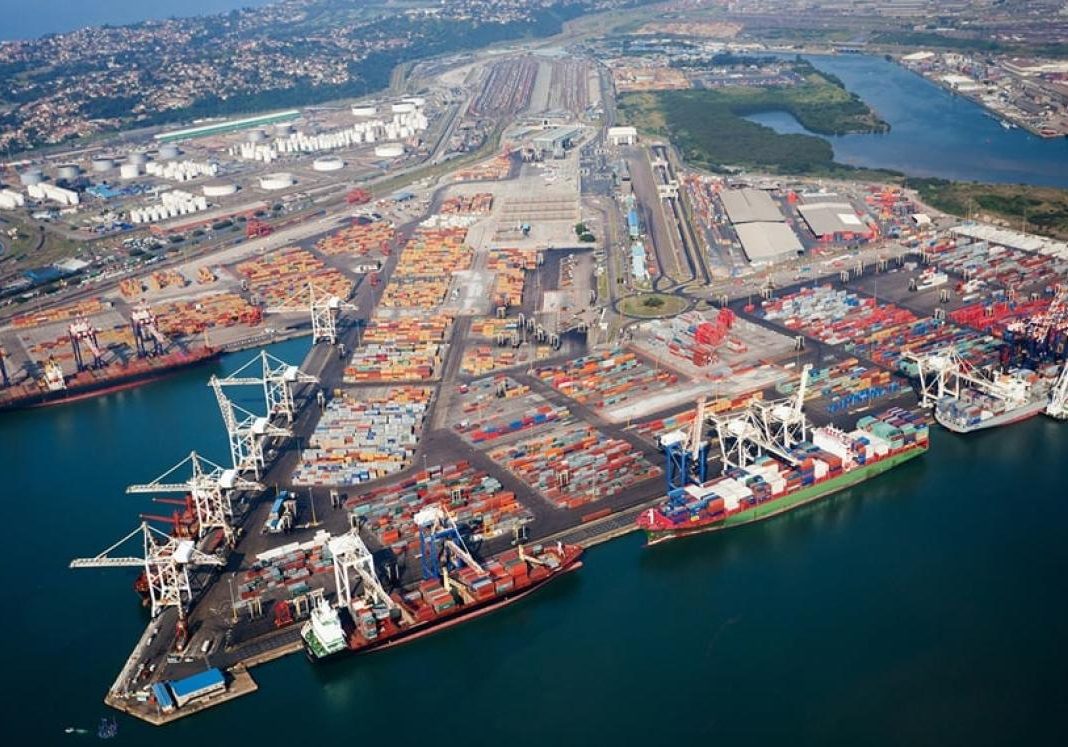
Lane Overview:
Africa has become the fastest-growing destination for Asian exports globally. Trade flows from Asia to Africa have surged in recent years, with container shipping capacity between Asia and West Africa increasing by almost 30% over the past year.
Maersk and other major carriers have strengthened their Asia–West Africa networks, adding new services connecting Asian ports with Tema, Abidjan, Lekki, Kribi, and Pointe Noire. The growth partly reflects diversion of shipments that would traditionally have gone to other markets.
Project cargo note: Infrastructure and mining equipment are a growing part of this lane. Learn more about our Project Cargo capabilities.
Asia → Africa
Origin Ports:
- China: Shanghai, Ningbo, Guangzhou, Shenzhen, Qingdao
- India: Mundra, Nhava Sheva (JNPT), Chennai
- Southeast Asia: Ho Chi Minh City, Port Klang, Singapore, Jakarta
- Greater China: Hong Kong, Kaohsiung, Taipei
Destination Ports by Region:
| Region | Major Ports |
|---|---|
| North Africa | Casablanca, Algiers, Tunis, Port of Alexandria, Suez Canal CT, Port Said, Tanger |
| West Africa | Lagos, Tema, Abidjan, Dakar, Port of Lome |
| East Africa | Mombasa, Dar es Salaam, Djibouti |
| Central Africa | Douala, Libreville, Pointe-Noire |
| Southern Africa | Durban, Cape Town, Walvis Bay |
Best For : Infrastructure materials, consumer goods, machinery, and agricultural equipment.
Asia → North America
Origin Ports:
- China: Shanghai, Ningbo, Shenzhen, Qingdao, Tianjin, Xiamen
- India: Mundra, Nhava Sheva (JNPT), Chennai
- Southeast Asia: Ho Chi Minh City, Port Klang, Laem Chabang, Singapore, Jakarta
- Greater China: Hong Kong, Kaohsiung, Taipei
Destination Ports by Coast:
| Coast | Major Ports |
|---|---|
| West Coast | Los Angeles, Long Beach, Oakland, Seattle, Vancouver |
| East Coast | New York & New Jersey, Savannah, Norfolk, Charleston, Miami, Jacksonville |
| Gulf Coast | Houston, New Orleans, Mobile |
Lane Overview:
The transpacific remains the world's most dynamic trade lane, with significant rate volatility driven by capacity management, resilient US import demand, and geopolitical factors.

Vessel utilization on the transpacific headhaul runs consistently higher than pre-pandemic levels. Analysts attribute rate movements to capacity discipline, demand for AI data-centre-related equipment, and ongoing disruption around the Strait of Hormuz.
Best For: Consumer goods, electronics, machinery, and e-commerce cargo.
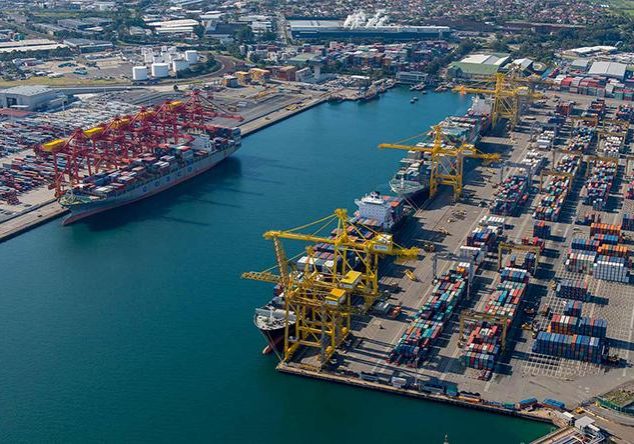
Lane Overview:
Asia–Oceania trades have experienced capacity shortages during peak seasons, with vessels operating at full capacity and extensive cargo rolling. Space availability can be critically tight, with booking windows becoming unpredictable.
On the supply side, Far East–Oceania trade capacity has expanded at approximately double the global fleet growth rate. MSC recorded the largest increase, fuelled by its China–Australia "Kangaroo" service.
Project cargo note: Building materials and agricultural equipment are common project cargo on this lane. Learn more about our Project Cargo capabilities.
Asia → Oceania (Australia & New Zealand)
Origin Ports:
- China: Shanghai, Ningbo, Shenzhen, Qingdao
- India: Mundra, Nhava Sheva (JNPT)
- Southeast Asia: Ho Chi Minh City, Port Klang, Singapore, Jakarta
- Greater China: Hong Kong, Kaohsiung
Destination Ports:
| Country | Major Ports |
|---|---|
| Australia | Sydney, Melbourne, Brisbane, Fremantle |
| New Zealand | Auckland, Tauranga |
Best For: Consumer goods, machinery, building materials, and agricultural equipment.
Intra-Asia
Origin Ports:
- China: Shanghai, Ningbo, Shenzhen, Qingdao, Tianjin, Xiamen, Guangzhou
- India: Mundra, Nhava Sheva (JNPT), Chennai, Kolkata
- Southeast Asia: Ho Chi Minh City, Port Klang, Laem Chabang, Jakarta, Singapore, Manila
- Greater China: Hong Kong, Kaohsiung, Taipei
- Northeast Asia: Busan, Tokyo, Yokohama, Kobe
Destination Ports: Singapore, Busan, Tokyo, Port Klang, Tanjung Pelepas, Jakarta, Manila, Laem Chabang, Ho Chi Minh City, Shanghai, Ningbo, Shenzhen
Lane Overview:
Intra-Asia remains the world's largest trade lane by vessel count, with more than 2,000 ships deployed across these routes. The average vessel size is significantly smaller than on long-haul Asia–Europe services, reflecting the short-haul, high-frequency nature of intra-regional trade.
The China–Vietnam trade route has retained its position as the most important country-to-country trade flow in intra-Asia for the second consecutive year.Trade volumes grew 16% in 2025, following a 27% surge in 2024. Within the commodities traded, there is a clear trend toward higher-value cargo, with the share of raw materials shrinking while intermediate and capital goods shares rise.
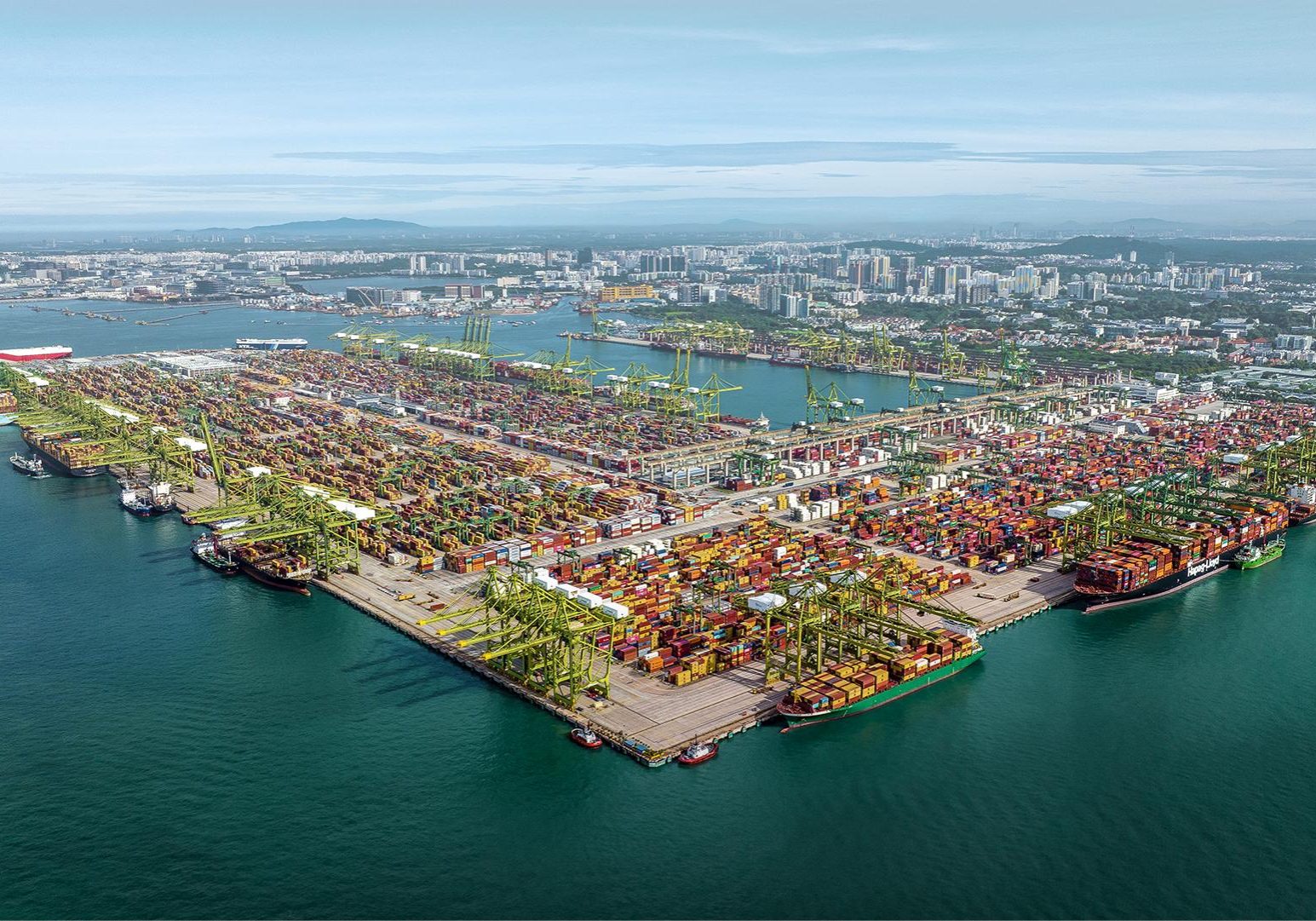
A total of 59 carriers deploy capacity on intra-Asia routes, with the top 11 carriers controlling 88% of nominal vessel capacity. The market is dominated by MSC, COSCO Shipping, CMA CGM, Wan Hai Lines, Maersk, ONE, Hapag-Lloyd, Evergreen Marine, SITC, Zim, and Yang Ming.
Best For: Electronics, components, fashion, and e-commerce fulfillment.
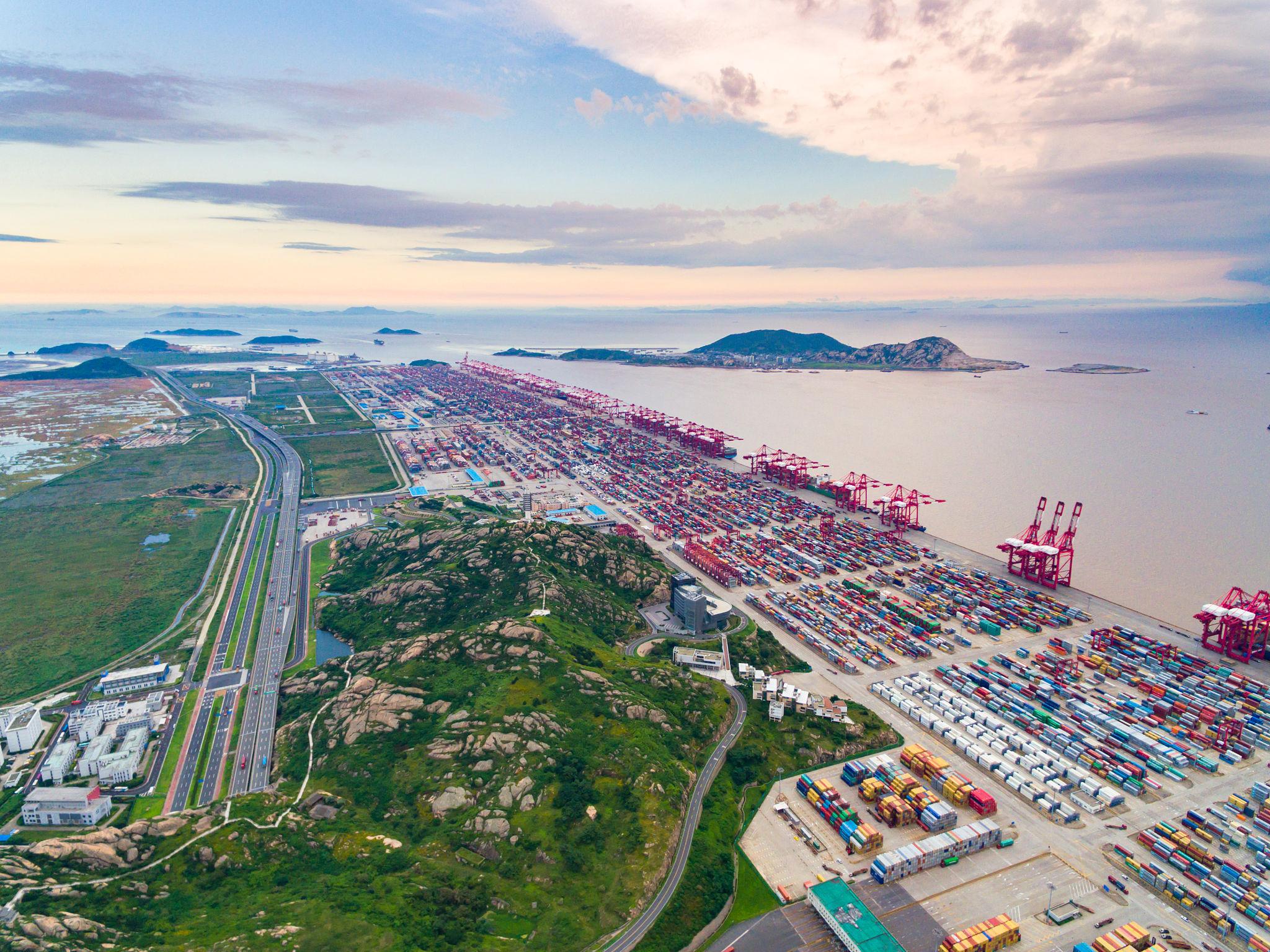
Asia's Major Container Ports
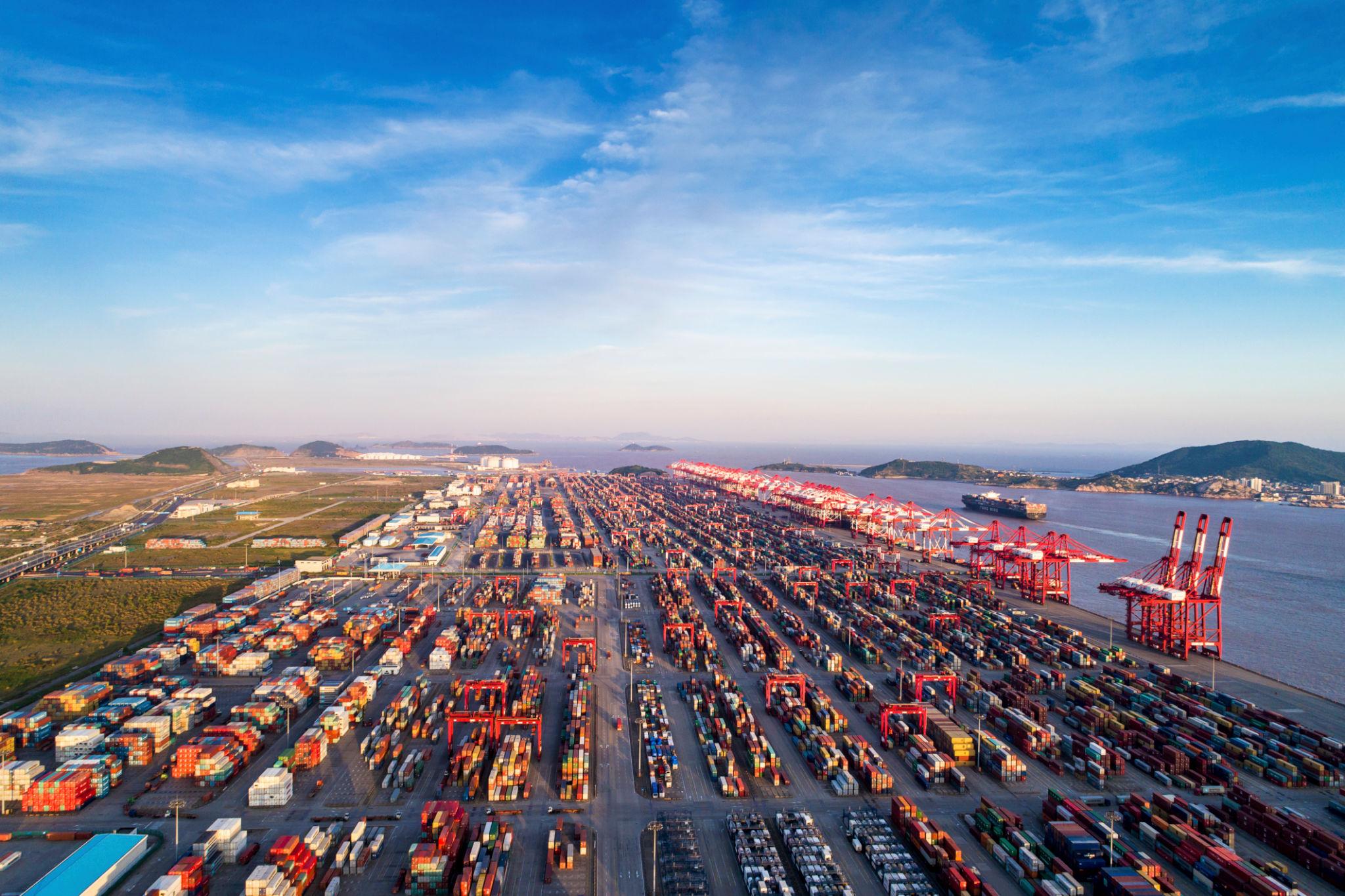
Asia is home to nine of the world's ten busiest container ports. Shanghai, Singapore, and Ningbo-Zhoushan lead the region, followed by Qingdao, Shenzhen, Guangzhou, Busan, Tianjin, Tanjung Pelepas, and Hong Kong.
These ports serve as the primary gateways for Asian exports and as key transshipment hubs connecting intra-Asia, Asia–Europe, transpacific, and Asia–Latin America trade lanes.
Shanghai is the world's busiest container port. Singapore is the world's largest transshipment hub, connecting over 600 ports through more than 200 shipping lines.
China's Major Container Ports
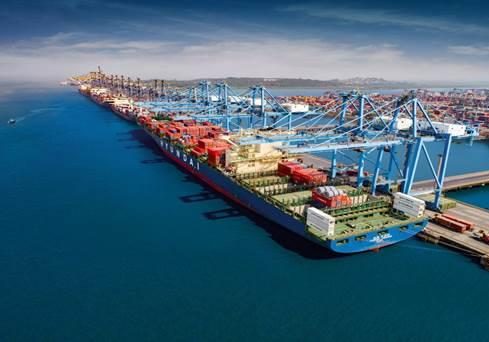
China's port sector handles the largest container volumes in the world. Shanghai, Ningbo-Zhoushan, Shenzhen, Qingdao, and Guangzhou lead the country, followed by Tianjin, Xiamen, Suzhou, Beibu Gulf, and Rizhao.
Shanghai is China's largest b port and the world's busiest. Shenzhen handles the highest volume of foreign trade containers in China. Suzhou and Beibu Gulf have both crossed the 10 million TEU threshold in recent years.
India's Major Container Ports
India's major ports handle a combined throughput of approximately 13.5 million TEU annually. Jawaharlal Nehru Port (JNPT) is the country's leading container-handling port, followed by Mundra, Chennai, Kolkata, Cochin, Visakhapatnam, and Kamarajar.
JNPT handles over half of India's major port container traffic. Mundra Port, operated by Adani Ports, is India's largest commercial port by overall capacity.
Why Ship with PGS Logistics?
| Benefit | What It Means for You |
|---|---|
| Carrier Relationships | Contracts with all major carriers — we find the best rate and routing. |
| Lane Expertise | Deep knowledge of port operations, customs, and seasonal patterns. |
| End-to-End Visibility | Real-time tracking and proactive updates. |
| Flexible Solutions | FCL, LCL, OOG, break bulk, and specialized containers.
For full capabilities, see our |

Moving Project Cargo?
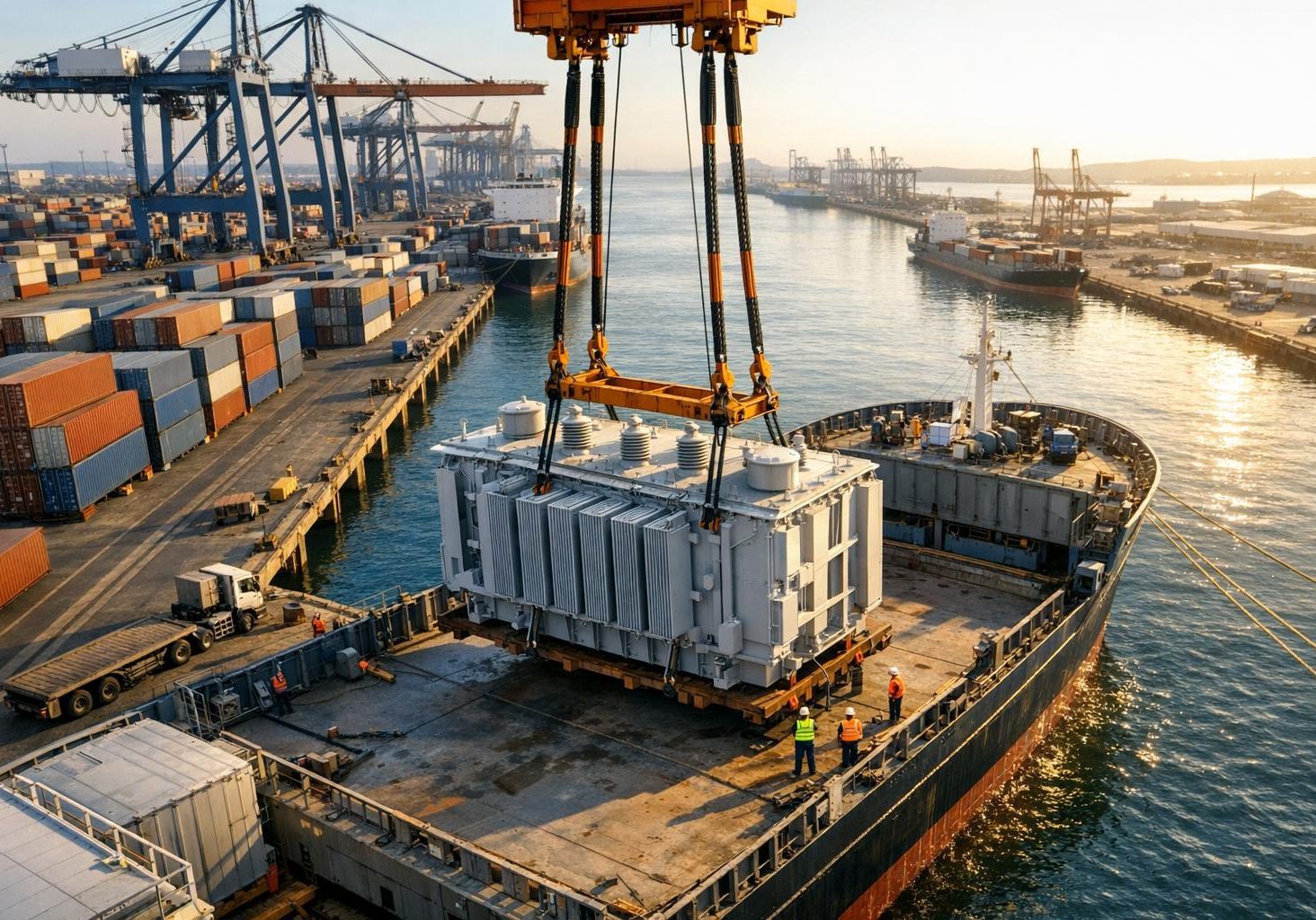
From wind turbines and transformers to refinery modules and mining giants, PGS delivers oversized, heavy-lift, and break-bulk cargo door-to-site, anywhere on the planet.
Explore Our Project Cargo Capabilities or Contact Our Project Team directly.