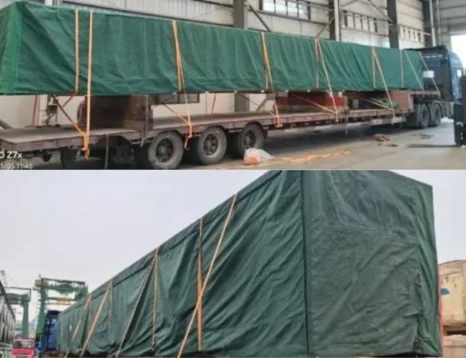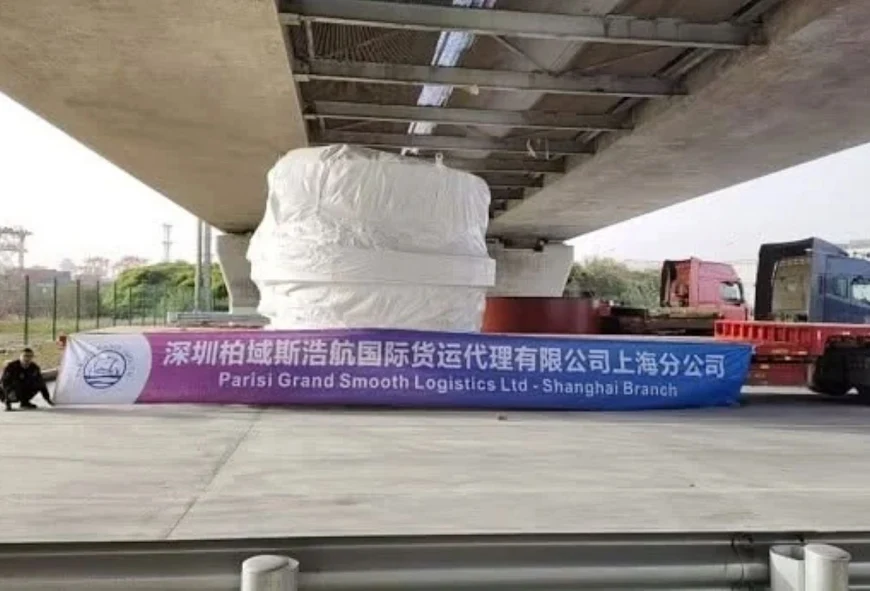
Strong Demand for Flat Rack Container Shipping from China
Demand for flat rack containers from China continues to create opportunities for project cargo logistics, particularly for oversized industrial equipment and heavy machinery shipments. Manufacturers across industries rely on specialised container solutions to transport cargo that cannot easily fit into standard containers. From rotary dryers to large-scale toilet paper manufacturing machinery, these shipments require careful planning, suitable equipment, and experienced project logistics teams.
In September 2026, the PGS project team successfully moved over 100 flat rack containers out of China, serving destinations across Latin America, Africa, and Europe. These shipments highlight PGS's capabilities in managing complex project cargo movements and coordinating international freight forwarding operations for industrial customers.
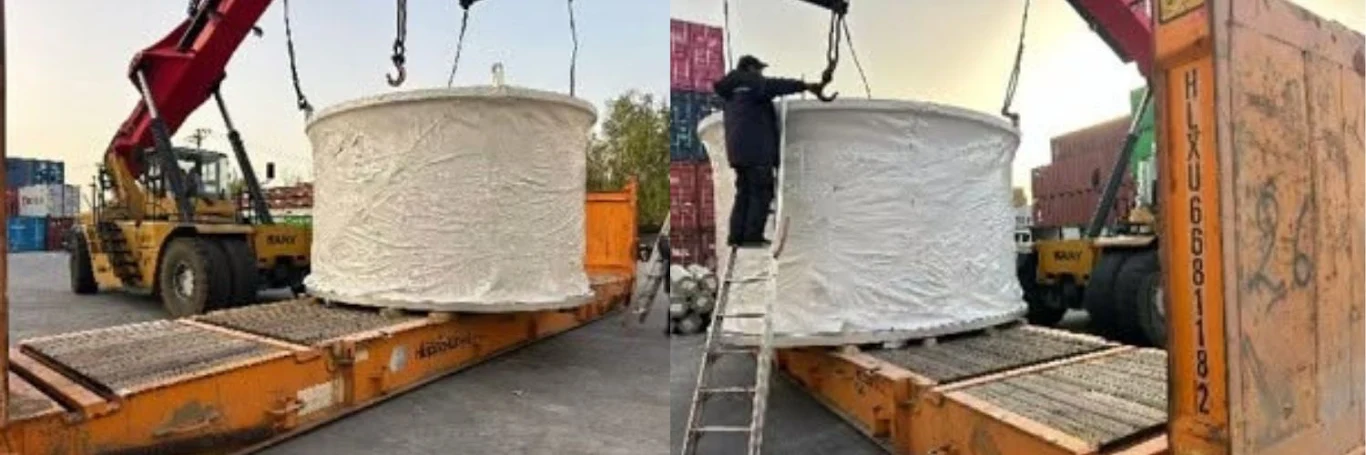
Among the recent shipments were a rotary dryer consignment and a large shipment of toilet paper manufacturing machinery, both destined for Rio Grande, Brazil. These projects demonstrate the importance of tailored logistics planning when moving heavy, oversized, and non-standard cargo across international shipping routes.
Recent Project Cargo Shipments from China to Brazil
The PGS project team coordinated shipments involving different cargo dimensions, weights, and equipment requirements. Two notable movements illustrate the scale and complexity of these operations.
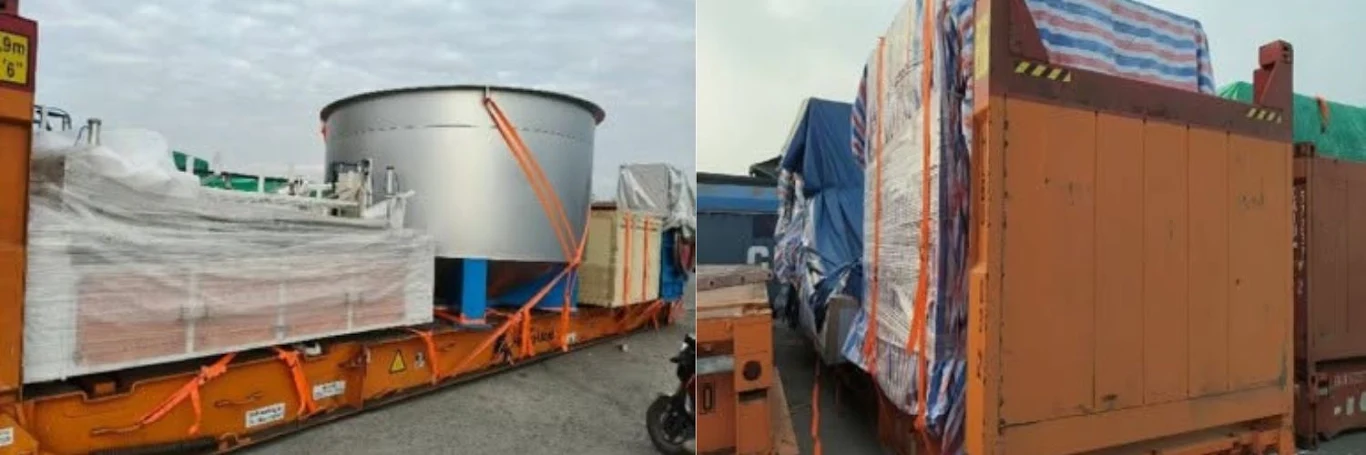
1. Rotary Dryer Shipment: Shanghai to Rio Grande
One of the shipments involved a rotary dryer with the following specifications:
- Cargo: Rotary dryer
- Quantity:5 packages
- Gross weight: 60,760 kg
- Total volume:124.262 CBM
- Container configuration: 4 × 40-foot flat rack containers and 1 × 20-foot general-purpose container
- Route: Shanghai, China, to Rio Grande, Brazil
Transporting heavy industrial equipment requires more than securing space on a vessel. The logistics team must consider the cargo's dimensions, centre of gravity, loading method, lifting requirements, and safe distribution of weight across the selected equipment.
The combination of four flat rack containers and one general-purpose container provided an equipment configuration suited to the different requirements of the consignment. Careful coordination between the project team, cargo handlers, and shipping partners is essential to support safe loading and efficient transportation.
2. Toilet Paper Manufacturing Machinery Shipment to Rio Grande
Another significant movement involved machinery used in toilet paper manufacturing. Industrial production equipment of this scale often consists of multiple packages with varying dimensions and handling requirements.
The shipment details were:
- Cargo: Toilet paper manufacturing machinery
- Quantity: 387 packages
- Gross weight: 307,767.8 kg
- Total volume: 974.53 CBM
- Container configuration: 4 × 40-foot flat rack containers and 18 × 40-foot high-cube containers
- Destination: Rio Grande, Brazil
With nearly 975 CBM of cargo, this shipment required coordination across multiple container types. Flat rack containers can accommodate suitable oversized components, while high-cube containers provide additional internal height for compatible cargo.
Managing a shipment of this size involves aligning equipment availability, packing plans, loading schedules, documentation, and vessel arrangements. Effective communication throughout the process helps minimise avoidable delays and keeps different stages of the shipment coordinated.
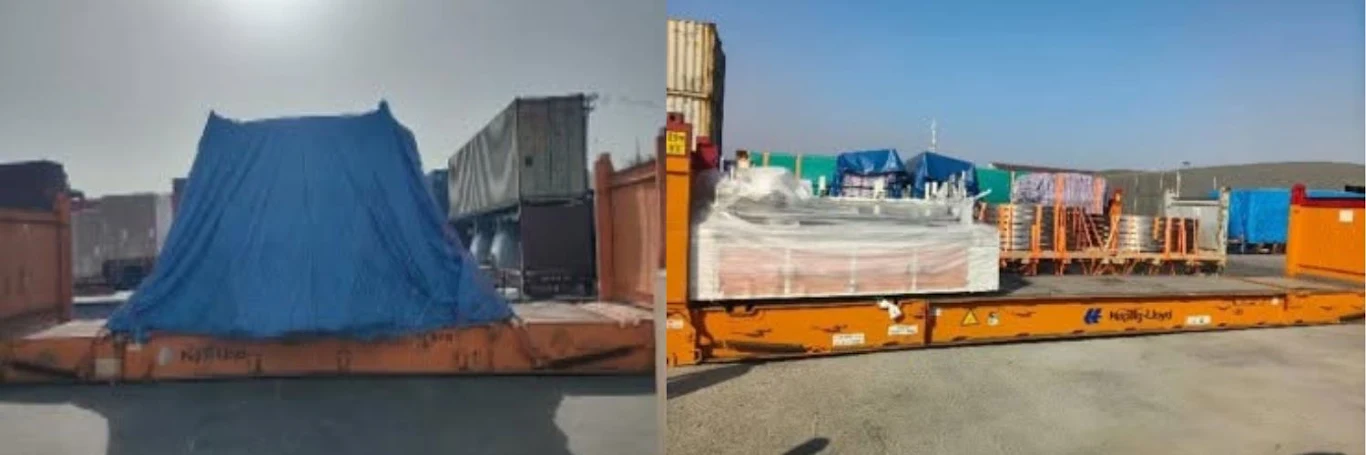
Why Flat Rack Containers Are Important for Project Cargo
Flat rack containers are designed for cargo that may exceed the dimensions or handling limitations of conventional enclosed containers. Depending on the equipment specifications, they can accommodate heavy machinery, industrial components, construction equipment, and other oversized cargo.
Their open sides and, on many models, collapsible end walls make loading and securing certain types of cargo more practical. Cargo can often be loaded from the top or sides using suitable lifting equipment, subject to the container design and approved handling procedures.
For shipments moving from China and other Asian manufacturing centers to destinations in Latin America, Africa, and Europe, flat racks can form an important part of a wider project cargo solution.
However, successful transportation depends on selecting the correct equipment for each cargo item. Dimensions, weight limits, securing arrangements, route restrictions, and carrier requirements must all be assessed before loading begins.
Four Common Challenges in Flat Rack Container Shipping
Although flat rack containers offer flexibility, transporting oversized cargo internationally presents several operational challenges.
1. Equipment Availability and Port Congestion
Finding suitable flat rack equipment at the right location and time can be difficult, particularly when demand rises for project cargo shipments. Port congestion, vessel schedules, and equipment repositioning can also affect loading plans.
How PGS can help: The PGS project team coordinates equipment planning, shipping arrangements, and operational timelines to support the movement of complex cargo. Early planning and communication with relevant shipping partners can help identify potential constraints before they disrupt a shipment.
2. Cargo Securing and Lashing
Oversized machinery must be secured appropriately to withstand the forces encountered during handling and ocean transportation. Inadequate securing can create safety risks, damage cargo, and disrupt the shipment.
How PGS can help: Cargo dimensions, weight, lifting points, and securing requirements need to be assessed as part of the loading plan. Suitable lashing materials and securing methods should be selected by qualified personnel in accordance with applicable standards, carrier requirements, and cargo-specific engineering guidance.
3. Weight Distribution and Stability
Heavy cargo can create challenges when weight is unevenly distributed or concentrated in a small area. Incorrect positioning may affect container structural limits, lifting operations, and vessel loading arrangements.
How PGS can help: Accurate cargo information supports equipment selection and loading-plan development. Weight distribution, floor-loading limits, centre of gravity, and vessel or carrier restrictions should be checked before loading and confirmed by the responsible technical and operational teams.
4. High Costs and Surcharges
Flat rack shipments can involve additional expenses for specialised equipment, handling, lashing, lifting, port operations, and oversized or overweight cargo. Costs may also vary according to the origin, destination, route, and carrier requirements.
How PGS can help: A well-planned logistics approach helps identify cost components early and supports more informed decisions about routing, equipment combinations, and shipment schedules. Providing complete cargo dimensions and weights at the quotation stage also helps improve the accuracy of freight estimates.
PGS Project Logistics: Coordinating Complex Cargo Movements
Moving more than 100 flat rack containers from China in September demonstrates the scale of project cargo coordination undertaken by the PGS team. Serving destinations across Latin America, Africa, and Europe requires an understanding of different trade routes, equipment requirements, carrier arrangements, and destination-specific handling considerations.
Every project shipment has its own requirements. A rotary dryer may require specialised lifting and securing arrangements, while a large machinery consignment may involve several container types and a carefully coordinated loading sequence.
By assessing cargo requirements, coordinating with logistics partners, and planning equipment and transportation arrangements, PGS works to help customers manage the practical challenges of international project cargo shipping.
For manufacturers, machinery suppliers, and project contractors, choosing an experienced freight forwarding partner can make a difference when moving cargo that falls outside standard container requirements.
Planning Your Next Flat Rack Shipment from China?
Shipping oversized machinery requires the right equipment, careful cargo planning, and coordination across the supply chain. Whether your shipment involves a single industrial component or multiple containers of manufacturing equipment, understanding the requirements early can help reduce operational uncertainty.
The PGS project team supports international project cargo movements from China and other origins to destinations worldwide, subject to route and equipment availability.
Planning a flat rack container shipment from China or elsewhere in Asia?
Contact the PGS team at inquiry@parisgis.com to discuss your cargo requirements and explore suitable project logistics solutions.
Frequently Asked Questions
A flat rack container is used to transport suitable oversized or heavy cargo that cannot be accommodated in a standard enclosed container. Typical examples include industrial machinery, construction equipment, and large components.
China is a major manufacturing and export hub for industrial equipment. Flat rack containers provide a practical option for transporting compatible oversized cargo from Chinese ports to international destinations, depending on equipment availability and carrier acceptance.
Common challenges include specialised equipment availability, port congestion, cargo lashing and securing, weight distribution, route restrictions, and additional handling or freight costs. Careful planning helps address these factors.
Yes. When cargo requirements permit, flat rack containers can be combined with general-purpose or high-cube containers. The final configuration depends on cargo dimensions, weight, handling requirements, carrier acceptance, and the overall loading plan.
You can contact the PGS team at inquiry@parisgis.com. To help assess your shipment, provide the cargo description, number of packages, dimensions, gross weight, volume, origin, destination, and preferred shipping timeline.