Introduction
Shipping to Manaus, Brazil, in 2026 has become more challenging as seasonal low water levels in the Amazon River affect vessel navigation, cargo capacity, and transportation costs. During the 2026 dry season, shipping lines announced Low Water Surcharges (LWS) to manage the additional operational expenses associated with restricted navigation and alternative cargo-handling arrangements.
For importers, exporters, and freight forwarders, understanding these developments is essential to controlling logistics costs, planning shipments, and maintaining reliable supply chains.
Why Are Low Water Surcharges Affecting Manaus Shipping in 2026?
Manaus is an important commercial and industrial centre in Brazil's Amazonas state, with river transportation playing a significant role in connecting the region to international supply chains. Seasonal reductions in river depth can restrict vessel drafts, reduce cargo capacity, and make regular shipping operations more expensive.
In September 2026, Brazil's National Waterway Transportation Agency (ANTAQ) strengthened its oversight of Low Water Surcharges. Under the updated framework, shipping companies must provide technical, operational, and economic evidence to support proposed charges, subject to regulatory review. The announcement highlights the importance of checking the regulatory status of any surcharge before confirming shipping costs.
Low Water Surcharge Manaus: What Shippers Need to Know
Shipping lines have announced different surcharge structures for the 2026 Amazon River low-water season. For example, Hapag-Lloyd announced that from 12 October 2026, its Low Water Surcharge for shipments to and from Manaus would be USD 1,350 per container when a floating pier is not required, or USD 3,500 per container when one is required. These amounts are alternatives, not cumulative charges, under that announcement.
Rates and implementation conditions vary by carrier, shipment, and operational scenario. Shippers should therefore confirm the applicable surcharge, effective date, equipment type, and payment terms directly with their shipping line or freight forwarder before booking.
Alternative Sea Freight Routes to Manaus Brazil
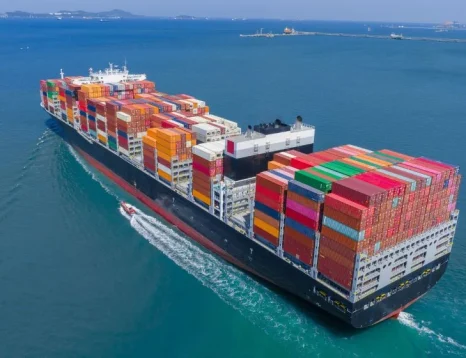
Sea freight remains an important option for commercial cargo moving to Manaus. However, low river levels may require shipping lines to adjust vessel capacity, call at alternative ports, or transfer cargo to smaller vessels and barges.
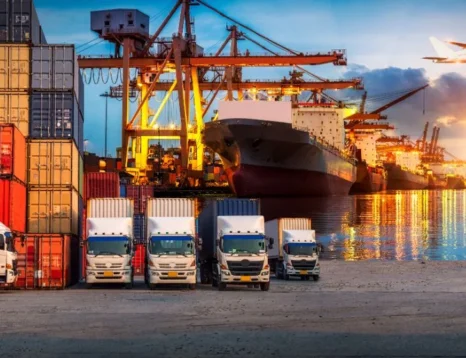
One operational option is using facilities around Itacoatiara, where floating-pier arrangements can support cargo transfers when direct vessel access to Manaus becomes restricted. Such arrangements can introduce additional handling, storage, and transit time.
Freight forwarders should evaluate the complete route rather than focusing only on the ocean freight rate. Port handling, inland waterway transport, transshipment costs, cargo availability, and final delivery schedules all influence the total logistics cost.
Air Freight to Manaus Brazil: When Is It Worth Considering?
Air freight to Manaus, Brazil, may be suitable for urgent, high-value, lightweight, or time-sensitive shipments that cannot tolerate extended delays. Electronics components, production-critical spare parts, and urgent commercial consignments may justify the higher cost of air transportation.
Before selecting air freight, businesses should compare the complete door-to-door cost, available flight capacity, cargo dimensions, customs requirements, and final delivery arrangements. Air freight is not automatically the best alternative for large or heavy consignments, where the price difference can be substantial.
Sea/Air Freight Planning for the 2026 Dry Season
Choosing between sea freight, air freight, and combined transport depends on cargo urgency, budget, shipment size, and delivery deadlines.
Businesses can reduce uncertainty by requesting updated carrier quotations, checking current river-navigation advisories, confirming surcharge applicability, and allowing additional time for possible transshipment. Where practical, flexible booking schedules and early coordination with freight forwarders can help prevent avoidable delays.
For shipments to Manaus, the most effective strategy is to compare the total landed logistics cost and service reliability instead of selecting a route based on freight rates alone.
Conclusion
Shipping to Manaus, Brazil, in 2026 requires closer attention to river conditions, Low Water Surcharges, and alternative transportation arrangements. Sea freight may remain appropriate for regular commercial cargo, while air freight can offer a faster solution for urgent shipments.
Working with an experienced freight forwarder can help businesses assess available routing options, verify applicable charges, and make informed decisions throughout the seasonal low-water period.
Frequently Asked Questions (FAQs)
The Low Water Surcharge is an additional shipping charge intended to cover extraordinary operational costs associated with low river levels, navigation restrictions, and cargo-handling changes. The amount depends on the shipping line and applicable operating conditions.
Seasonal low water levels can restrict vessel drafts, reduce cargo capacity, and require additional handling or alternative port arrangements, potentially increasing costs and transit times.
Depending on current conditions, options may include routing cargo through alternative ports, transferring shipments to barges, or using air freight for suitable consignments.
Air freight is worth considering when delivery speed is critical, cargo is high-value or time-sensitive, and the additional transportation cost is commercially justified.
Freight forwarders can compare carrier quotations, verify surcharge conditions, review alternative routes, coordinate transshipment, and help businesses plan for potential delays and additional costs.