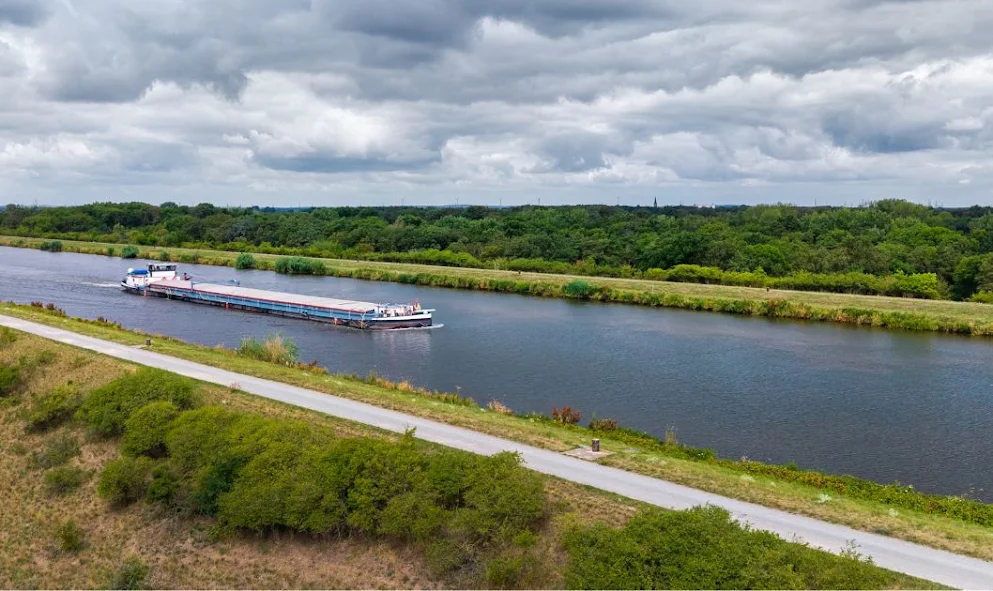
The year 2026 has brought significant challenges for inland waterway shipping, as prolonged heatwaves and drought conditions have pushed several major rivers to exceptionally low levels. These changes are affecting cargo movement, vessel capacity, freight costs and supply chain reliability across important global trade routes.
Inland waterways remain an important part of international freight transportation, particularly for moving bulk commodities, industrial materials, agricultural products and energy resources. However, declining river levels are making navigation increasingly difficult, forcing shipping operators and freight forwarders to reconsider their transportation strategies.
According to the International Transport Forum (ITF), major rivers including the Rhine, Danube, Amazon and Yangtze experienced periods of severe low water during 2026. The situation highlights how changing weather conditions are creating new challenges for inland freight transportation and logistics planning.
2026: Low Water Levels Disrupt Major Inland Shipping Routes
Europe has experienced particularly difficult conditions during 2026. The Rhine and Danube, two important inland waterways, have faced historically low water levels, affecting commercial navigation and freight movement.
According to the European Environment Agency, drought affected around half of the European Union and UK territory by late July 2026. At the Kaub measurement station on Germany's Rhine River, water levels dropped below 10 cm on 14 August, creating serious restrictions for cargo vessels.
Similarly, low water levels on the Danube reduced the amount of cargo vessels could transport. In August, some barges operating on the middle Rhine were carrying only around 15–20% of their normal capacity, while Danube vessels operated at approximately 30% capacity.
These developments demonstrate how quickly low river levels can affect established freight routes and create uncertainty for businesses relying on inland waterway shipping.
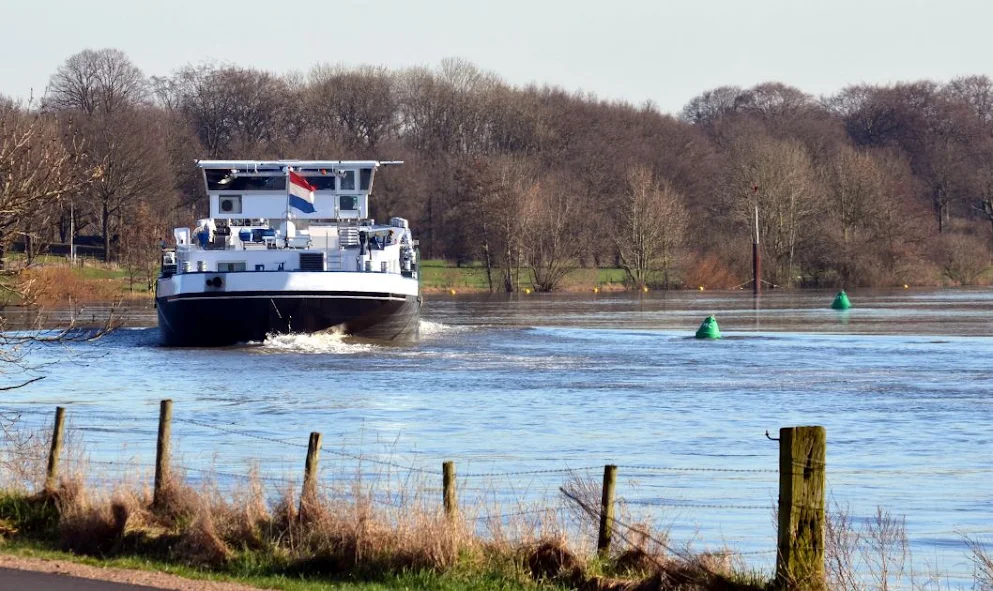
How Waterway Restrictions Are Affecting Freight Transportation
Low water levels create several operational challenges for inland shipping companies.
1. Reduced Vessel Loading Capacity
When water levels decline, vessels cannot maintain their normal draft without risking grounding. Operators must reduce cargo loads to navigate safely through shallow sections.
As a result, more vessels or additional journeys may be required to transport the same volume of goods. This increases operational expenses and makes freight scheduling more complicated.
2. Rising Freight Transportation Costs
Reduced vessel capacity can increase the cost of moving cargo. Operators may introduce low-water surcharges or increase spot freight rates to compensate for additional journeys and limited capacity.
A September 2026 analysis by Coface highlighted the economic impact of the Rhine and Danube disruptions, including sharply increased freight costs and pressure on European industrial supply chains.
3. Delays and Navigation Restrictions
Shallow waterways can restrict vessel movements, reduce available navigation channels and create bottlenecks around important river sections and inland ports.
In October 2026, Dutch research institute Deltares reported exceptionally low Rhine flows and the introduction of one-way traffic on part of the IJssel River between Arnhem and Zutphen to maintain safe navigation.
These restrictions make delivery schedules less predictable and require freight forwarders to maintain more flexible transportation plans.
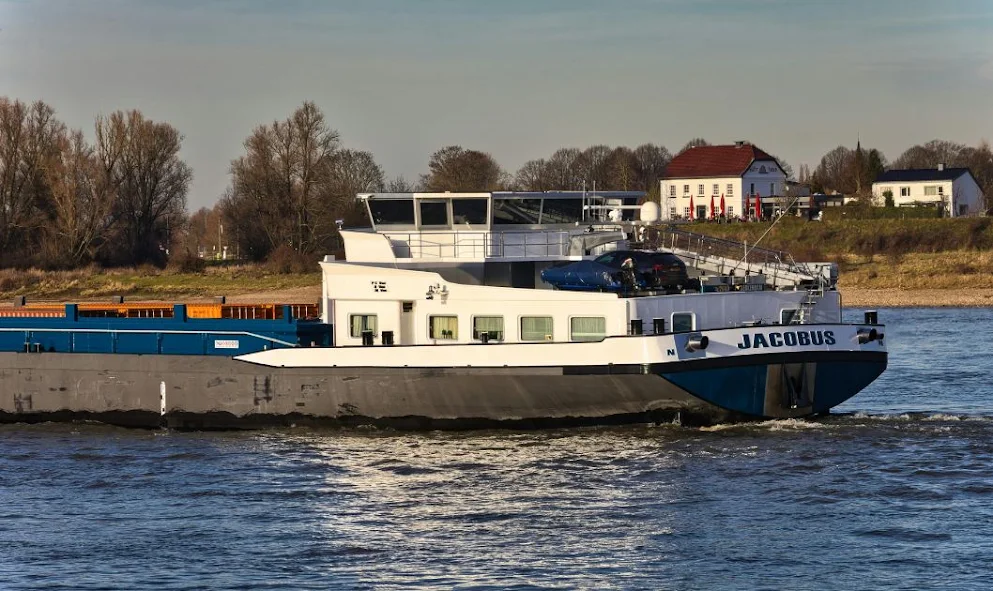
The Impact on Global Supply Chains and Logistics Operations
The effects of low water levels extend beyond inland vessels. Industries that depend on river transportation for raw materials and finished products are also experiencing supply chain pressure.
Chemical manufacturers, agricultural traders, steel producers and energy companies are among the businesses exposed to these disruptions. When inland shipping capacity decreases, companies may experience delayed raw material deliveries, higher inventory costs and difficulties maintaining production schedules.
The European Environment Agency reported that the 2026 Rhine disruption affected industrial operations, including chemical production and agricultural cargo movements. Some businesses had to reconsider their transportation arrangements to maintain supply continuity.
For international freight forwarders, these developments highlight the importance of monitoring inland waterways as part of wider freight planning and supply chain risk management.
Multimodal Transportation: An Alternative to Inland Shipping Disruptions
One of the most practical responses to waterway restrictions is multimodal transportation. Businesses can combine inland shipping with road and rail freight to maintain cargo movement when river conditions become unsuitable.
Rail transportation can handle substantial cargo volumes over established corridors, while road freight provides flexibility for connecting inland ports, warehouses and final delivery destinations.
However, switching transportation modes is not always straightforward. Rail networks may have limited available capacity, while road transportation can involve higher costs, additional handling and longer distances.
The International Road Transport Union (IRU) highlighted these challenges in August 2026, noting that road freight cannot replace all the capacity lost when major inland waterways experience severe restrictions.
Therefore, businesses should establish alternative transportation arrangements before disruptions occur rather than waiting until their regular shipping routes become unavailable.
How Freight Forwarders Can Prepare for Low Water Conditions
Freight forwarders and logistics providers need a more proactive approach to inland waterway restrictions. Some important measures include:
- Monitor water levels: Follow river conditions, navigation notices and weather forecasts to identify potential disruptions early.
- Plan alternative routes: Establish road and rail transportation options for shipments affected by waterway restrictions.
- Improve cargo planning: Adjust vessel loading quantities and shipping schedules according to available water depth.
- Maintain additional inventory: Consider increasing safety stock for essential materials during periods of expected low water.
- Strengthen supplier coordination: Maintain regular communication with shipping operators, inland terminals and cargo owners.
- Use digital logistics tools: Apply real-time tracking, predictive analytics and shipment monitoring to improve freight visibility.
These measures can help businesses reduce unexpected delays, manage transportation expenses and maintain more reliable supply chain operations.
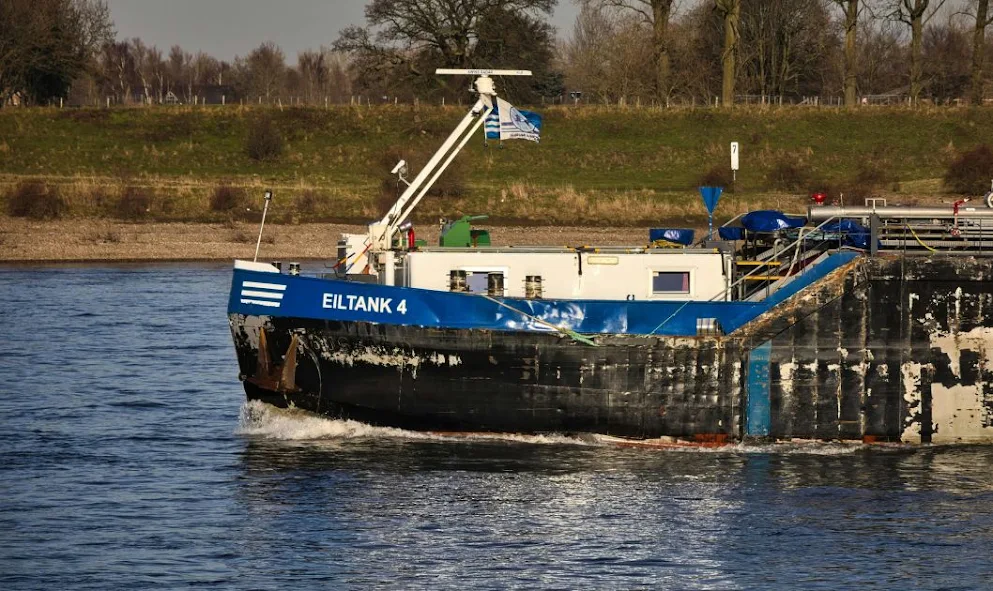
Building More Resilient Inland Freight Networks in 2026
The low water conditions experienced in 2026 demonstrate that climate-related disruptions are becoming an important consideration in freight transportation planning.
Governments and waterway authorities are also exploring solutions such as improved water retention, dredging, navigation monitoring and infrastructure maintenance. Austria's Danube authorities, for example, have introduced pilot initiatives involving flexible infrastructure to help maintain navigable channels during low-water periods.
For freight forwarders and businesses, the priority should be to build transportation networks that can adapt to changing environmental conditions.
Inland waterways will continue to play an important role in global logistics. However, combining waterway transportation with reliable road and rail alternatives, better forecasting and flexible freight planning will be essential to managing future disruptions.
Frequently Asked Questions (FAQs)
Low water levels reduce the navigable depth of rivers, forcing vessels to carry smaller cargo loads. This can increase transportation costs, create delays and restrict access to certain waterways.
The Rhine, Danube, Loire and Po in Europe, along with the Amazon and Yangtze in other regions, experienced periods of severe low water conditions during 2026.
Restrictions reduce vessel capacity and may require additional journeys, alternative transportation modes and handling operations. These factors can increase freight rates and overall logistics expenses.
Businesses can use road and rail freight or multimodal transportation solutions to move cargo when inland waterways become difficult to navigate.
Freight forwarders can monitor water levels, prepare alternative routes, coordinate with carriers, adjust cargo schedules and use digital tracking tools to improve shipment visibility and reduce delays.