When cargo gets stuck at customs, every hour can mean rising storage charges, missed deadlines, unhappy customers, and even compliance penalties. In 2026, customs clearance delays are increasingly tied not only to paperwork errors but also to stricter trade enforcement, digital compliance checks, tariff volatility, and intensified cargo inspections.
If you’re facing a customs hold on a shipment, quick action matters. Here’s exactly what to do.
Why Cargo Gets Stuck at Customs
Understanding the reasons cargo gets stuck in customs helps prevent repeat issues. Common causes include:
1. Incorrect or Incomplete Documentation
A mismatch between the invoice, packing list, bill of lading, or certificate of origin can trigger immediate review. Wrong HS codes are a major reason shipments stall.
2. Compliance and Regulatory Holds
Many international shipping customs problems now involve stricter checks on product standards, sanctions screening, sustainability rules, and origin verification. Customs authorities are using more data-driven risk controls in 2026.
3. Duty or Valuation Disputes
Undervaluation, incorrect duty calculation, or unpaid taxes can place cargo on hold.
4. Inspection or Security Flags
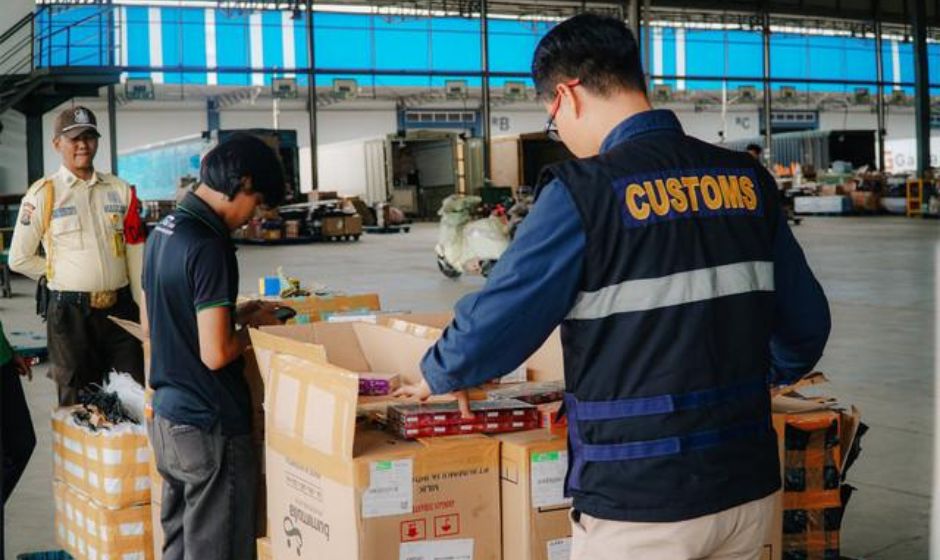
Random inspections, red-channel clearance, or missing import permits often delay release.
5. Port Congestion and Trade Disruptions
Geopolitical route changes, congestion, and customs backlogs continue affecting global trade flows.
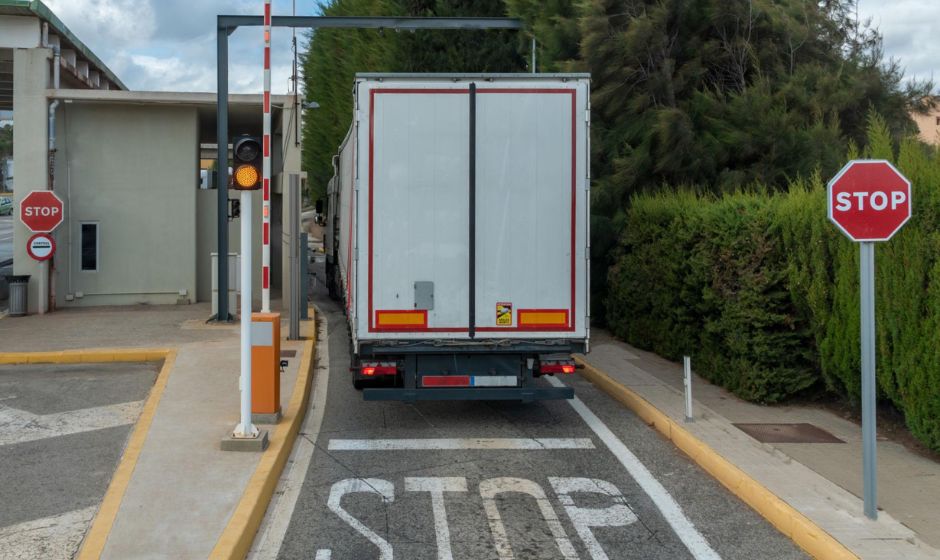
What to Do When Shipment Is Held at Customs
If your shipment is already delayed, follow this process:
Step 1: Identify the Exact Reason for the Hold
Do not assume it is congestion. Ask your customs broker or freight forwarder for:
- Hold notice or customs query
- Shipment status code
- Missing documentation requests
- Inspection or duty-related alerts
Knowing whether it is a paperwork issue or compliance hold changes the solution.
Step 2: Review All Shipping Documents Immediately
To clear customs delays, verify:
- Commercial invoice
- Packing list
- HS classification
- Certificates and licenses
- Import permits
- Proof of declared customs value
Many holds are solved within hours once corrected documents are submitted.
Step 3: Work with a Customs Broker
A licensed broker can often resolve customs clearance delays faster through direct customs communication, refiling entries, or correcting declarations.
If you are self-filing imports, professional support can reduce penalty risk significantly.
Step 4: Respond Fast to Customs Requests
Time matters. Delayed responses can trigger:
- Storage fees
- Demurrage charges
- Cargo seizure risks
- Import penalties
Respond the same day whenever possible
Step 5: Check Duty and Penalty Exposure
If customs disputes classification or value, review:
- Additional duty assessments
- Penalty notices
- Amendment options
- Voluntary corrections
Early correction often reduces fines.

How to Avoid Customs Delays Before They Happen
Preventing delays is easier than fixing them.
Use Correct Product Classification
Wrong HS codes cause many customs to hold on shipment cases. Review classifications before shipping
Pre-Clear Shipments
Wrong HS codes cause many customs to hold on shipment cases. Review classifications before shipping
Audit Documents Before Dispatch
A pre-shipment document review catches errors before customs does.
Stay Updated on Current Trade Rules
Tariff shifts and changing customs controls are causing new delays in 2026. Importers need active compliance monitoring, not outdated processes.
Build Buffer Time Into Supply Chains
Rigid timelines increase exposure. Add customs contingency into shipping schedules.
How to Avoid Customs Penalties
To reduce fines and enforcement risks:
- Keep accurate customs valuations
- Avoid under-declaration
- Maintain complete import records
- Use compliant product descriptions
- Verify licensing requirements before shipping
- Work with experienced brokers or trade consultants
Good compliance is often the best way to avoid both delays and penalties.
Customs Clearance Process for Imports: Quick Overview
- Arrival of cargo
- Filing customs entry
- Duty/tax assessment
- Risk screening or inspection
- Customs release
- Final delivery
Problems usually happen at steps 2–4.
Final Thoughts
If your cargo is stuck at customs, act quickly: identify the hold, correct documentation, involve your broker, and respond fast.
Most international shipping customs problems are solvable — but delays become expensive when ignored.
In today’s trade environment, customs is no longer just paperwork. It is risk management.
Frequently Asked Questions (FAQ)
It depends on the issue. Documentation errors may be resolved in 1–3 days, while inspections or compliance holds can take weeks.
Incorrect paperwork, wrong HS codes, missing permits, and valuation disputes are among the biggest causes.
Customs usually issues a hold or request through the broker, carrier, or importer, though delays in communication can happen.
Use complete documentation, respond quickly to customs requests, pre-clear shipments where possible, and work with a customs broker.
Maintain accurate declarations, use proper classification, comply with import regulations, and correct errors proactively before authorities escalate them.