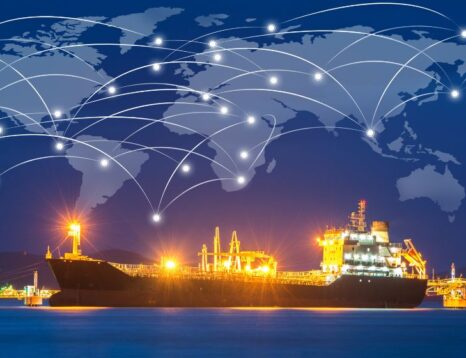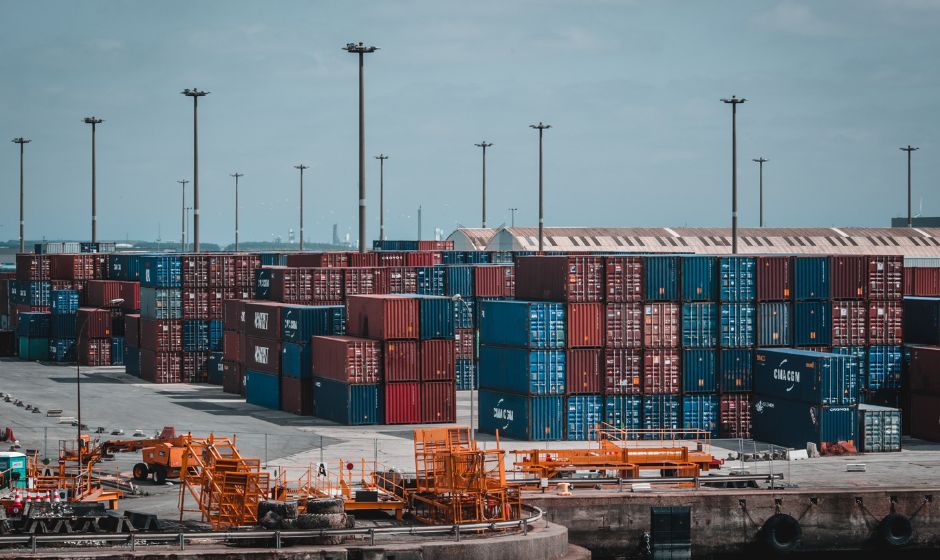
The Asia–Latin America freight corridor has rapidly evolved into one of the most dynamic global trade lanes in 2026. Driven by shifting geopolitics, infrastructure investments, and supply chain diversification, this corridor now reflects both opportunity and volatility. From China’s export dominance to India’s emerging role, logistics networks are being redesigned to support bidirectional trade flows across the Pacific and Atlantic.
Key Asia–Latin America Shipping Routes
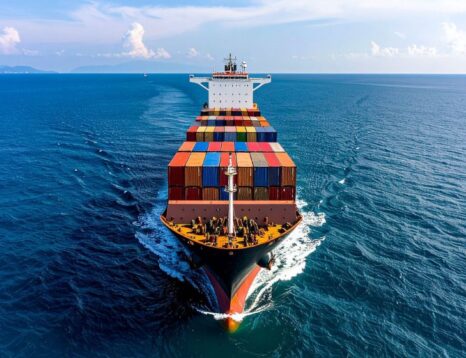
The primary maritime routes connecting Asia to Latin America fall into two major corridors:
1. Pacific Coast Routes (China–West Coast Latin America)
- Major origin ports: Shanghai, Ningbo, Shenzhen, Qingdao – also busan and singapore depend on routing
- Key destinations: Callao (Peru), San Antonio (Chile), Buenaventura (Colombia), Guayaquil (Ecuador)—also Mexico, manzanillo or Lázaro Cárdenasalso base port
- These routes have seen over 20% year-on-year volume growth in early 2026
The emergence of Peru as a logistics hub—especially with the Chancay megaport—is reshaping this corridor. The port now handles increasing direct Asia services and acts as a transshipment alternative to Panama.- potential hub link to carribean /wcca or maybe north east brazil in future .
2. Atlantic Routes (Asia–Brazil & East Coast South America)
- Routes pass via the Cape of Good Hope
- Major ports: Santos, Paranaguá (Brazil), Buenos Aires (Argentina)- rio de janerio , rio grande , navegantes , itapoa , itajai , Montevideo
Carriers are expanding direct services to Brazil due to rising demand and trade diversification.- brazil always operate direct service , then maybe we need change wording that own terminal bring advantage to carrier make priority on berthing and expand service coverage.
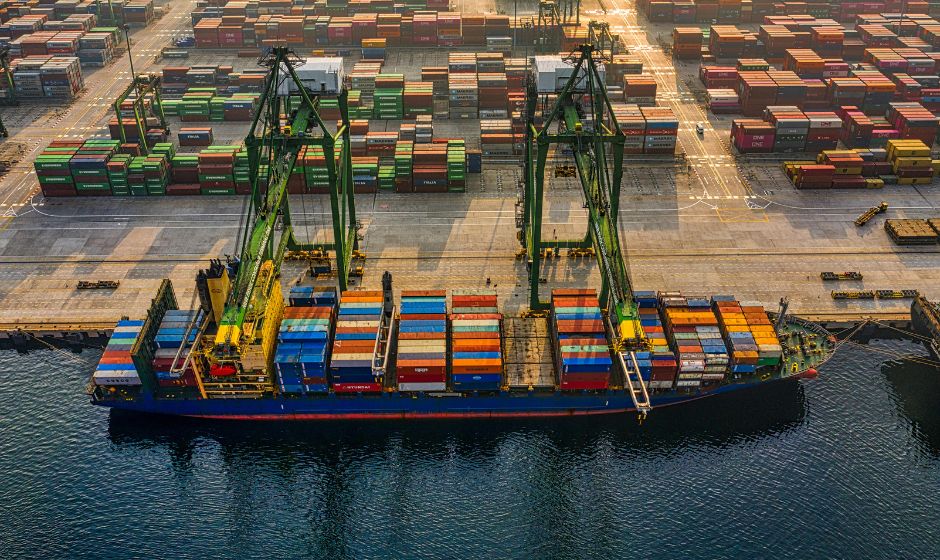
China–Latin America vs India–Latin America Trade Lanes
China-Latin America Shipping Dominance
China continues to dominate exports to Latin America, especially in:
- Electronics, machinery, EVs, and e-commerce goods – also textiles and chemical
- Strong presence in Brazil, Mexico, and Chile
Recent developments:
- New direct routes (e.g., Guangzhou–Peru) reduce transit times to ~30 days and cut logistics costs by ~20%
- Chinese goods are flooding Latin American markets, intensifying competition
India-Latin America Trade Corridor (Emerging)
India is gaining traction in:
These dashboards are helping businesses:
- Pharmaceuticals
- Textiles
- Automotive components
Unlike China, India relies more on:
- Transshipment hubs (e.g., Singapore, Colombo)
- Longer lead times but diversified sourcing appeal
Strategic Ports & Infrastructure Developments
Key Pacific Coast Ports
- Chancay (Peru): A Chinese-backed megaport becoming a regional gateway
- Callao (Peru): Expanding capacity with $550M investments
- San Antonio (Chile): Major entry point for consumer goods
Atlantic & Caribbean Hubs
- Santos (Brazil): Largest container port in Latin America
- Caucedo (Dominican Republic): Free trade zone hub for cross-docking and value-added logistics
Transshipment Hubs & Network Design
- Panama Canal: Still critical but increasingly volatile due to geopolitical tensions and operational uncertainty
- Shift toward alternative hubs: Chancay and Caribbean FTZs
- Rise of cross-docking and bonded warehousing to reduce tariffs and speed delivery
Key Challenges in 2026
1. Freight Rate Volatility
- Spot rates fluctuating widely are impact by fuel cost and balance between demand and supply
- Prices range significantly across contracts and spot markets
2. Geopolitical Risks
- Tensions involving China and Panama affecting shipping flows and inspections
- Strategic control over ports influencing global logistics decisions
3. Customs & Compliance Complexity
- Stricter import regulations (e.g., Brazil’s e-commerce taxes)
- Need for pre-clearance and digital documentation
4. Last-Mile Delivery Constraints
- Infrastructure gaps in inland Latin America
- High costs and delays in rural or remote areas
Optimization Strategies for Freight Forwarders
1. Diversified Routing
- Use dual routing (Pacific + Atlantic) to mitigate disruptions
- Avoid over-reliance on Panama Canal
2. Digital Freight Forwarding
-
Adoption of real-time tracking, predictive analytics, and AI pricing tools
- Enhances visibility and cost optimization
3. Contract Logistics & Nearshoring
- Pre-position inventory in free trade zones
- Growth of contract logistics in LatAm (2026) for value-added services
4. Cross-Docking & Inventory Optimization
- Faster distribution via bonded hubs
- Reduces dwell time and customs delays
5. Sustainability & Compliance Readiness
- Carbon reporting and green shipping becoming mandatory
- Compliance-driven logistics gaining competitive advantage
The Rise of Bidirectional Trade
- Latin America exports commodities (copper, lithium, agriculture) to Asia
- Asia exports manufactured goods and technology
This bidirectional trade is driving:
- Balanced container flows
- More stable long-term shipping contracts
Conclusion
Asia–Latin America freight forwarding in 2026 is actively undergoing transformation. Infrastructure developments such as the Chancay megaport, alongside evolving China- and India-led trade lanes, are currently reshaping how cargo moves across the corridor. At the same time, ongoing freight rate volatility, geopolitical shifts, and tightening customs regulations are continuing to challenge supply chain stability.
As these dynamics unfold, companies are increasingly focusing on diversified routing strategies, digital freight solutions, and regional logistics networks to stay competitive. Those that adapt quickly to these real-time changes are better positioned to navigate uncertainty and capture growth opportunities across the Asia–Latin America trade lane.
Frequently Asked Questions (FAQ)
The fastest routes are direct Pacific services from China to ports like Callao or Chancay, with transit times around 25–30 days depending on origin.
Chancay is emerging as a major Pacific hub, reducing reliance on Panama and enabling direct Asia–South America connections with lower costs and faster transit.
China dominates in scale and infrastructure, while India is growing as an alternative sourcing hub, especially for pharmaceuticals and textiles.
Key challenges include customs complexity, last-mile delivery inefficiencies, infrastructure gaps, and freight rate volatility.
They can use diversified shipping routes, digital freight platforms, bonded warehousing, and contract logistics solutions to improve efficiency and resilience.