In 2026, freight forwarding is no longer operating on delayed updates and manual coordination. The industry is actively shifting toward real-time visibility, driven by increasing disruptions in global trade, rising customer expectations, and the urgent need for faster decision-making.
From port congestion in Asia to climate-related delays in Europe and policy changes affecting global routes, logistics companies today are dealing with constant uncertainty. In this environment, real-time shipment tracking API solutions are not just helpful—they are becoming essential tools for survival.
Real-Time Visibility Is Now a Daily Requirement
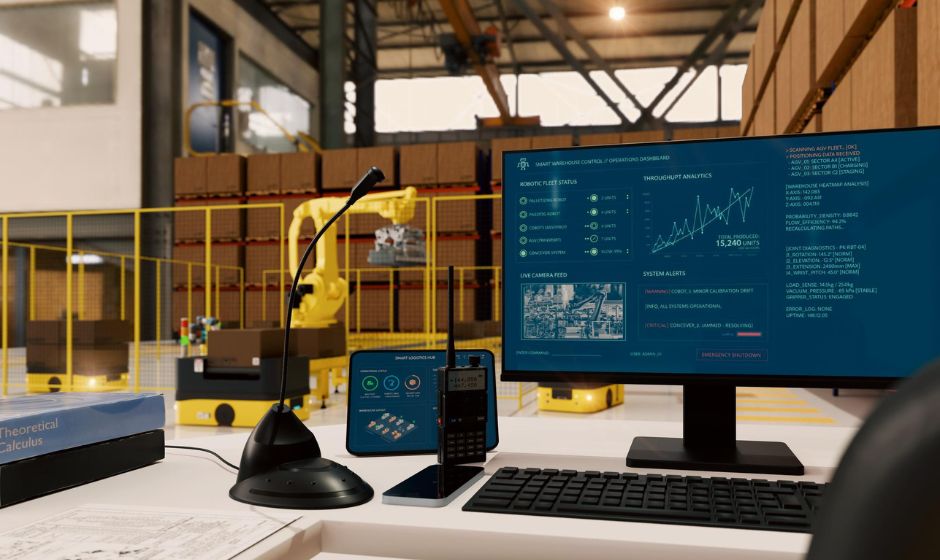
Right now, shippers and logistics providers are expected to provide instant updates on shipment location, condition, and status. Businesses are actively investing in a supply chain visibility platform that consolidates live data from carriers, ports, and warehouses into one dashboard.
Instead of waiting hours (or even days) for updates, companies are now tracking shipments minute-by-minute. This shift is especially visible in sectors like e-commerce, pharmaceuticals, and perishable goods, where delays directly impact revenue and customer trust.
API Integration Is Actively Reshaping Freight Operations
In the current logistics landscape, API integration for shippers is being rapidly adopted across the industry. Companies are connecting their internal systems with carriers, freight forwarders, and customs platforms to enable seamless, real-time communication.
For example, when a shipment is delayed today, systems automatically:
- Update delivery timelines
- Notify stakeholders
- Trigger alternative routing options
This level of automation is reducing manual workload and significantly improving response time.
Data Is Driving Every Decision in 2026
These dashboards are helping businesses:
These dashboards are helping businesses:
- Identify underperforming carriers
- Optimize shipping routes in real time
- Track cost fluctuations instantly
At the same time, data-driven freight procurement is becoming a standard practice. Companies are selecting carriers based on current performance data rather than long-term contracts alone, making procurement more dynamic and cost-efficient.
Predictive ETA Technology Is Improving Accuracy
One of the biggest challenges in logistics has always been inaccurate delivery timelines. But in 2026, predictive ETA technology is significantly improving this area.
Using real-time data such as weather updates, port congestion, and traffic conditions, systems are continuously recalculating ETAs. This means customers are receiving more reliable delivery estimates, and businesses can plan operations more effectively.
Exception Management Is Becoming Proactive
Delays and disruptions are still happening—but the way companies handle them has changed. With exception management alerts, logistics teams are now identifying issues as they happen, not after the damage is done.
For example:
- Route deviations trigger instant alerts
- Temperature-sensitive cargo issues are flagged immediately
- Customs delays are notified in real time
This proactive approach is helping companies reduce losses and maintain service quality.
Digital Freight Platforms Are Expanding Rapidly
The adoption of digital freight forwarding platforms is accelerating in 2026. These platforms are bringing booking, documentation, tracking, and analytics into one unified system.
At the same time, cloud-based logistics management is enabling companies to operate globally with real-time data access. Teams working from different locations can now collaborate instantly, which is especially important in today’s distributed work environment.
IoT Is Enhancing Cargo Visibility
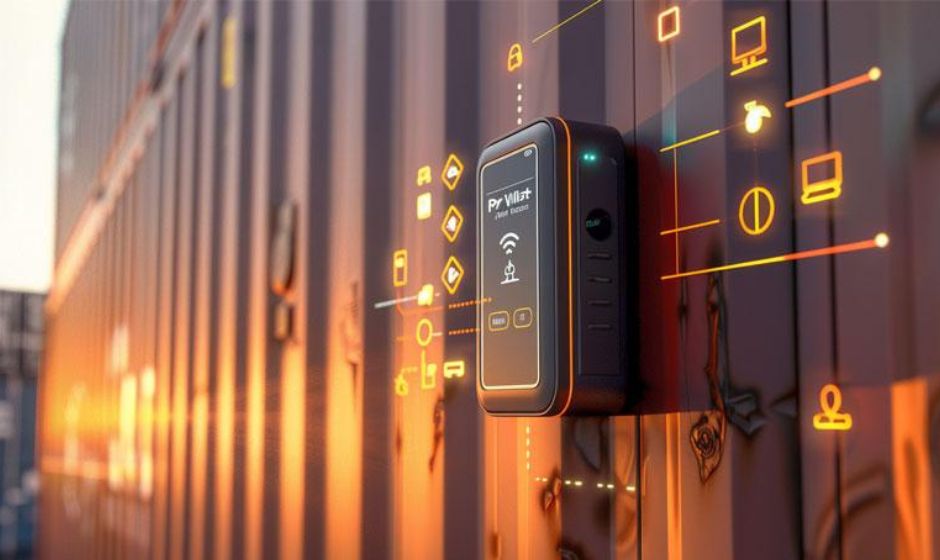
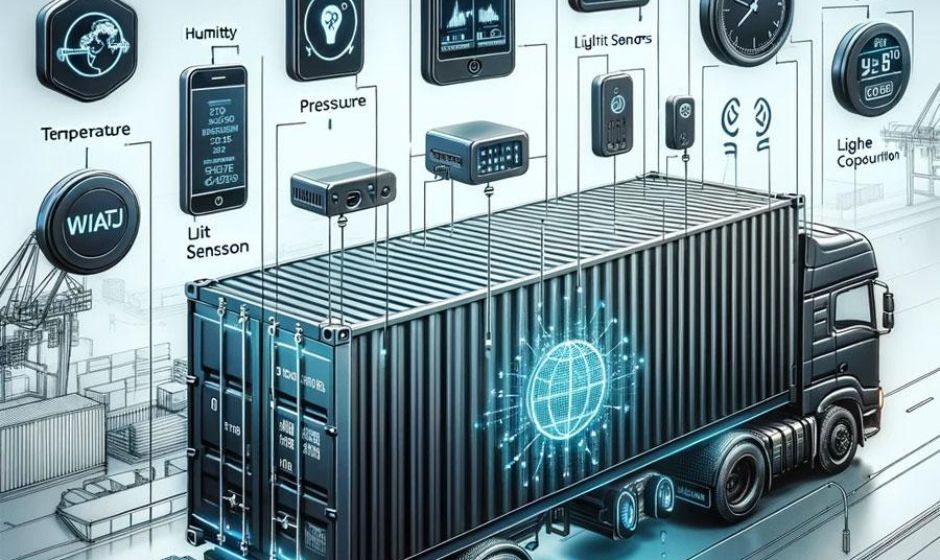
Another major development currently shaping the industry is IoT sensors cargo tracking. Companies are actively deploying sensors to monitor shipment conditions in real time.
This is particularly important for:
- Pharmaceutical shipments
- Food and perishable goods
- High-value cargo
IoT devices are continuously sending data through APIs, ensuring that any issue—like temperature fluctuation—is detected immediately.
What’s Driving This Shift Right Now?
Several ongoing factors in 2026 are pushing companies toward API-driven visibility:
- Customer expectations: Real-time tracking is now considered standard
- Global disruptions: Supply chains are still unstable, requiring instant insights
- Regulatory changes: Governments are increasing digital compliance requirements
- Sustainability pressure: Companies are optimizing routes to reduce emissions
These are not future trends—they are active forces shaping decisions today.
Challenges Companies Are Facing
Even though adoption is increasing, companies are still dealing with challenges such as:
- Integration complexity between different systems
- Data standardization issues
- Cybersecurity risks
However, many logistics providers are actively investing in solutions to overcome these barriers.
Conclusion
In 2026, real-time visibility powered by API integration is no longer a “nice-to-have”—it is becoming the standard in freight forwarding. Companies that are adopting these technologies now are gaining better control, faster response times, and improved customer satisfaction.
As global trade continues to evolve, the ability to access and act on real-time data will define the success of modern logistics operations.
Frequently Asked Questions (FAQ)
It is a system that provides live updates on shipment location and status by connecting multiple logistics platforms in real time.
Because it enables instant data exchange, reduces manual work, and helps businesses respond quickly to disruptions happening right now.
It uses live data like weather and traffic conditions to continuously update delivery timelines and improve accuracy.
They provide real-time monitoring of cargo conditions, helping companies prevent damage and ensure compliance.
They are using dashboards and analytics tools to make real-time decisions about routes, carriers, and costs.