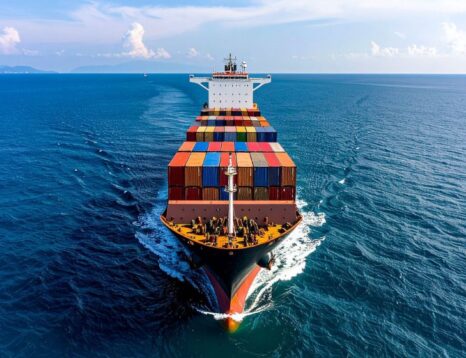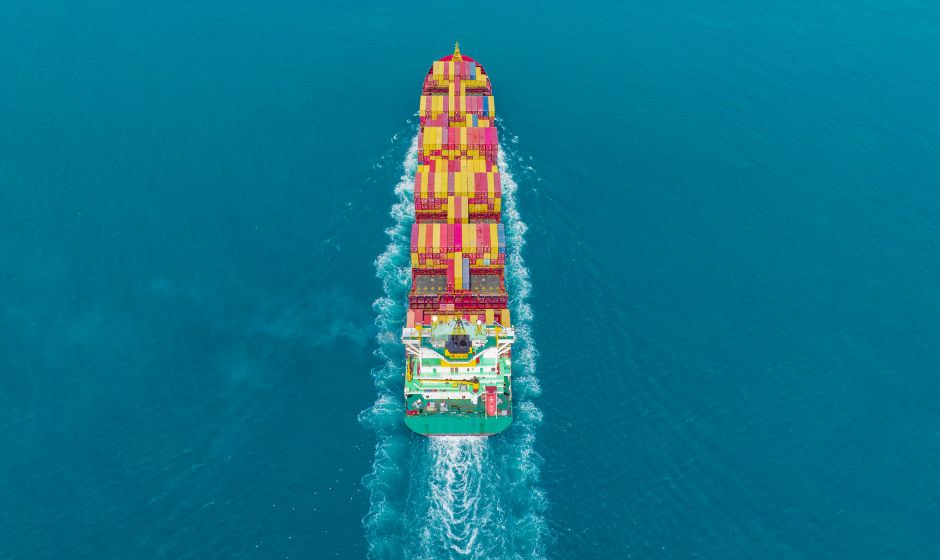
Global shipping is entering a period where route selection is becoming as much about resilience and geopolitics as distance and cost. In 2026, growing interest in the Arctic—particularly Russia’s Northern Sea Route (NSR)—is creating a new competitive option alongside established corridors through the Suez and Panama Canals.
Recent developments have made this competition more tangible. China has launched a regular commercial container service through the Northern Sea Route, connecting Asia with Northern Europe. At the same time, Russia is increasing crude shipments to Asia through the Arctic corridor. These developments show that Arctic shipping is moving beyond a purely experimental concept, although it remains far from replacing traditional global trade routes.
Why Arctic Routes Are Attracting Attention
The Northern Sea Route follows Russia’s Arctic coastline between the Bering Strait and the Barents Sea. For selected Asia-Europe voyages, it can substantially shorten sailing distances compared with routes through the Suez Canal.
In August 2026, China’s Sea Legend began a scheduled container service using the NSR, highlighting the commercial potential of the corridor. The route can significantly reduce transit times during suitable navigation conditions. However, a shorter distance does not automatically mean lower logistics costs because vessels face additional operational, insurance, and infrastructure requirements.
This is where Northern Sea Route navigation challenges become important. Ice conditions can change quickly, limiting speed and creating the need for specialist route planning, ice monitoring, and, in some cases, icebreaker support.
Arctic Shipping vs Suez and Panama
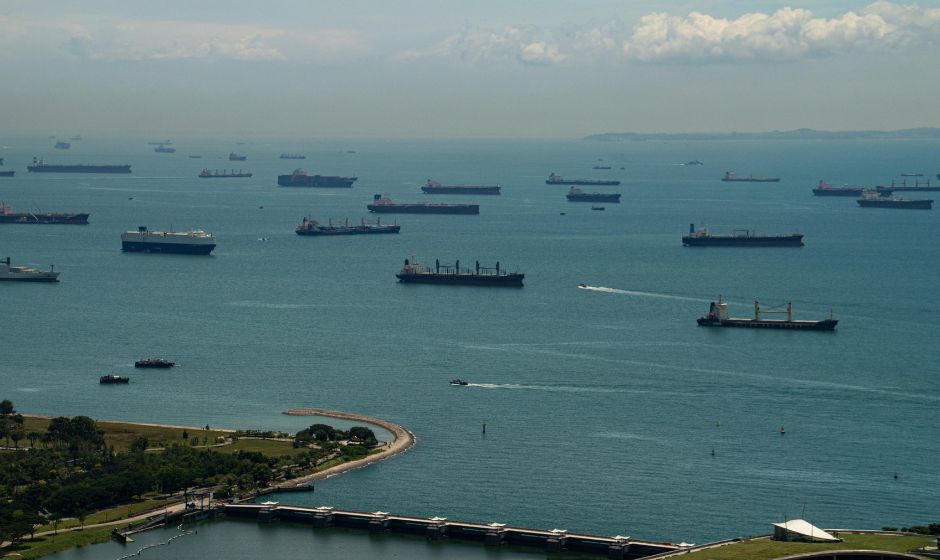
Traditional maritime corridors remain dominant because they provide extensive port networks, established services, predictable schedules, and large-scale infrastructure.
The Suez Canal remains particularly important for Asia-Europe trade, while the Panama Canal is a major connection between the Atlantic and Pacific markets. Yet recent geopolitical and climate-related disruptions have demonstrated that these corridors are not immune to risk. Shipping companies have faced rerouting pressures linked to instability around major chokepoints, while water availability has also affected Panama Canal operations.
This makes Arctic routes potentially valuable as Suez Canal and Panama Canal alternatives, particularly when conventional corridors experience severe disruption. However, the Arctic is better viewed as an additional option rather than a direct replacement.
Ice-Class Vessels and Polar Infrastructure
One of the biggest differences between Arctic and conventional shipping is the equipment required. Ice-class vessel requirements can increase construction, maintenance, and operating costs. Ships operating in polar waters must also comply with the International Maritime Organization (IMO) International Maritime Organization Polar Code, which establishes mandatory requirements covering ship design, equipment, operations, crew training, environmental protection, and voyage planning.
The Arctic also has limited maritime infrastructure in polar regions. Compared with major global shipping hubs, many Arctic areas have fewer deep-water ports, repair facilities, emergency-response assets, and search-and-rescue capabilities. Limited port capacity in Arctic destinations can therefore restrict the scalability of container and general cargo services.
Fuel Efficiency and Emissions: A More Complicated Comparison
A shorter Arctic voyage can reduce sailing distance and potentially lower fuel consumption and voyage-related emissions. However, the environmental calculation is not straightforward.
Ice navigation may require slower speeds, additional propulsion power, or icebreaker assistance. Ice-class ships can also involve different design and fuel-efficiency trade-offs. Furthermore, Arctic pollution can have particularly serious consequences because emergency response and cleanup capabilities are limited in remote areas.
Therefore, fuel efficiency and emissions comparisons should consider the entire voyage rather than simply comparing nautical miles.
Seasonal Windows and Insurance Risks
Unlike the Suez Canal, the Arctic does not offer the same year-round operational predictability. Seasonal navigation windows and scheduling remain major considerations for carriers. The NSR has traditionally been most accessible during the warmer months, although changing sea-ice conditions are extending opportunities for certain vessels.
Insurance is another critical factor. Insurance and risk assessment for Arctic transit must account for ice damage, extreme weather, limited rescue infrastructure, geopolitical exposure, and emergency-response limitations. The additional risk can offset some of the financial advantages created by shorter distances.
Geopolitical Implications for Global Trade
The Arctic is also becoming strategically important. Russia controls and administers much of the Northern Sea Route, while China has described its Arctic interests through the concept of the “Polar Silk Road.” The growing use of the corridor therefore creates significant geopolitical implications of Arctic routes.
Russia’s increased Arctic oil exports to Asia in 2026 demonstrate how geopolitical conditions can influence route selection. Reuters reported that several crude shipments had already moved through the NSR by August, with China remaining a key destination.
At the same time, some major carriers remain cautious. MSC, for example, stated in 2026 that it would not send its vessels through the Northern Sea Route, demonstrating that commercial adoption remains divided.
What the Competition Means for Freight Forwarders
For freight forwarders, the emergence of Arctic corridors does not mean abandoning established routes. Instead, it creates another option within a broader risk-management strategy.
The most suitable route will depend on cargo type, origin and destination, vessel capability, seasonal conditions, insurance costs, geopolitical exposure, and required delivery time. Traditional routes currently retain major advantages in infrastructure and reliability, while Arctic corridors offer potential advantages for selected Asia-Europe movements.
The future of global shipping may therefore be less about choosing one route over another and more about maintaining multiple viable trade corridors. In an increasingly disrupted trading environment, route diversification can become a strategic advantage.
Frequently Asked Questions (FAQs)
No. The NSR is currently a complementary option rather than a replacement. Its seasonal nature, infrastructure limitations, geopolitical risks, and specialized vessel requirements prevent it from matching the scale and reliability of the Suez Canal.
Rapidly changing ice conditions, limited rescue infrastructure, extreme weather, navigation complexity, seasonal accessibility, and the need for specialized vessels are among the major challenges.
Vessel requirements depend on the specific polar operating conditions and applicable regulations. Ships operating in polar waters must meet relevant Polar Code requirements, while appropriate ice capability is critical for safe navigation in ice-covered areas.
Potentially, because shorter voyages can reduce distance and fuel consumption. However, the overall emissions impact depends on vessel design, speed, ice conditions, icebreaker assistance, and the complete voyage profile.
Geopolitical disruptions, changing Arctic ice conditions, and new commercial services are increasing interest in alternative corridors. China’s new scheduled Arctic container service and Russia’s increased oil shipments demonstrate that the route is gaining practical commercial relevance.