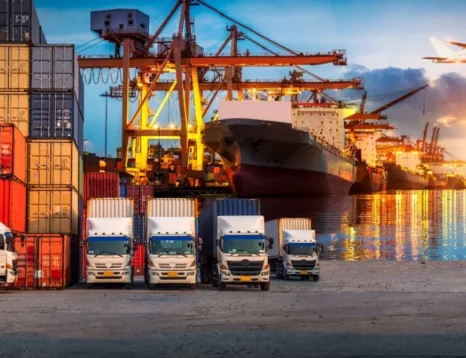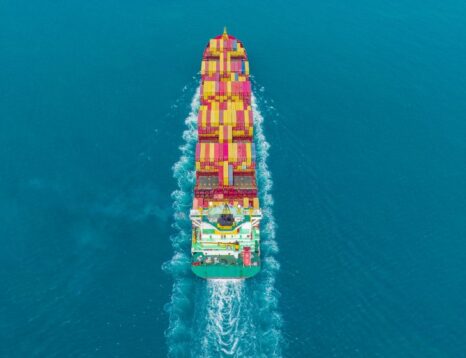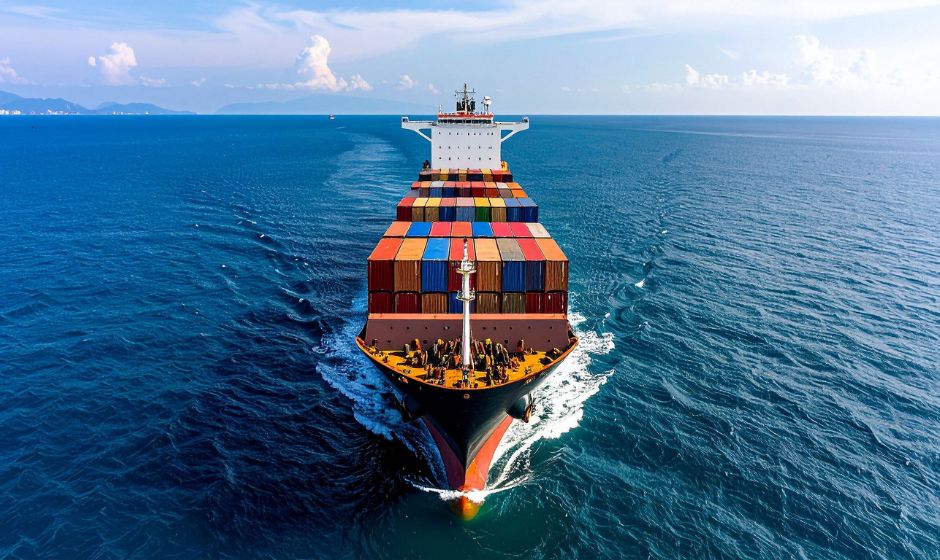
Global container shipping has always been the backbone of international trade, moving nearly 90% of the world's goods by sea. However, increasing geopolitical tensions, cyber threats, cargo theft, smuggling, and evolving security risks have prompted governments and international organizations to strengthen maritime security regulations. In 2026, shipping companies, freight forwarders, ports, and customs authorities are adapting to stricter compliance requirements that prioritize both security and supply chain efficiency.
Rather than slowing trade, these new regulations are encouraging greater transparency, digitalization, and international cooperation. Companies that embrace these changes are likely to experience faster customs clearance, improved cargo visibility, and stronger customer confidence.
Why Maritime Security Regulations Are Changing
The global shipping industry faces challenges that extend far beyond traditional cargo transportation. Organized cargo crime, cyberattacks on port systems, sanctions enforcement, and concerns over illegal trafficking have pushed regulators to modernize security frameworks.
Recent disruptions in major shipping routes, increasing attacks on commercial vessels, and rising cybersecurity incidents targeting ports have demonstrated that supply chain security is now as important as operational efficiency. As a result, governments are introducing stricter compliance measures while international organizations continue updating global security standards.
WCO SAFE Framework Compliance is Becoming Essential
One of the most important international initiatives is WCO SAFE Framework compliance, developed by the World Customs Organization (WCO). The framework promotes secure and efficient global trade by encouraging trusted partnerships between customs administrations and businesses.
Companies following SAFE Framework principles benefit from:
- Faster customs clearance
- Lower inspection rates
- Improved supply chain transparency
- Better international trade cooperation
- Stronger risk management practices
Many customs authorities are expanding Authorized Economic Operator (AEO) programs, making compliance increasingly valuable for logistics companies engaged in international trade.
Stronger Customs-to-Customs Cooperation Standards
Modern border security no longer relies on individual countries working independently. Customs-to-customs cooperation standards allow customs agencies to exchange shipment intelligence before cargo even arrives.
This cooperation helps authorities:
- Identify high-risk shipments earlier
- Detect fraudulent trade activities
- Reduce customs delays
- Improve cross-border security
- Strengthen international enforcement efforts
For legitimate businesses, enhanced customs cooperation often means fewer unnecessary inspections and smoother cargo movement.
Advance Electronic Cargo Information Requirements
Many countries now require advance electronic cargo information requirements before containers depart their origin ports.
Instead of reviewing documents after arrival, customs officials analyze shipment data in advance using digital risk assessment systems.
This approach enables authorities to:
- Identify suspicious cargo before loading
- Reduce port congestion
- Improve customs processing times
- Enhance supply chain visibility
- Strengthen border security
Shipping companies are increasingly investing in automated documentation systems to meet these electronic reporting obligations accurately and on time.
ISPS Code Updates and Port Security
The International Ship and Port Facility Security (ISPS) Code remains one of the most important maritime security regulations. Recent ISPS Code updates and port security improvements focus on strengthening physical security while addressing emerging risks.
Modern port security measures now include:
- Smart surveillance systems
- AI-assisted monitoring
- Biometric identification
- Drone detection technologies
- Improved emergency response planning
Ports are investing heavily in digital infrastructure to ensure secure vessel operations while minimizing disruption to cargo handling.
Supply Chain Security Risk Assessments
Regulators increasingly expect logistics providers to perform regular supply chain security risk assessments instead of relying solely on government inspections.
These assessments evaluate risks across the transportation network, including:
- Cargo theft
- Insider threats
- Route vulnerabilities
- Warehouse security
- Cybersecurity risks
- Third-party logistics partners
Risk-based planning allows businesses to identify weaknesses before they become costly disruptions.
Non-Intrusive Inspection Mandates Improve Efficiency
Security inspections are becoming more advanced through non-intrusive inspection mandates that use imaging technology instead of manually opening containers.
Modern inspection technologies include:
- High-energy X-ray scanners
- Gamma-ray imaging
- AI-assisted image analysis
- Automated anomaly detection
These systems improve inspection accuracy while reducing delays at ports, allowing customs authorities to inspect more containers without interrupting normal trade flows.
Container Screening and Radiation Detection
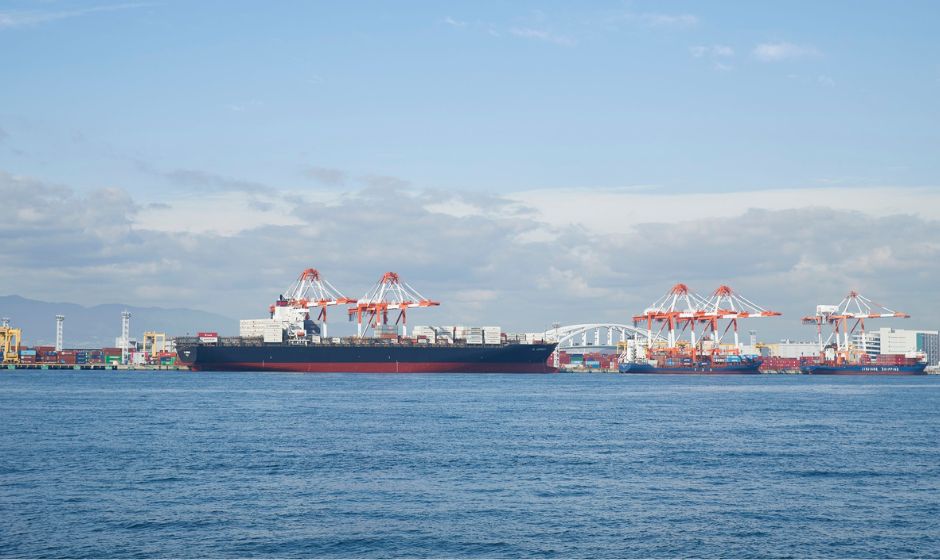
Many ports have expanded container screening and radiation detection programs to identify hazardous materials, radioactive substances, and prohibited cargo.
Radiation portal monitors and advanced cargo scanners can inspect containers quickly without affecting cargo integrity. Combined with electronic shipment information, these technologies help customs agencies focus inspections where they are most needed.
As cargo volumes continue to grow, automated screening technologies are becoming essential for maintaining both security and operational efficiency.
Maritime Cybersecurity Requirements Continue to Expand
Cybersecurity has become one of the fastest-growing concerns in global shipping. Recent maritime cybersecurity requirements recognize that modern vessels, ports, and logistics systems rely heavily on connected digital infrastructure.
Shipping companies are now strengthening:
- Network security
- Access controls
- Employee cybersecurity training
- Incident response planning
- Software update management
- Operational technology protection
Cyber resilience is increasingly viewed as a core component of maritime security rather than a separate IT responsibility.
Port Access Control and Credentialing
Ports are also modernizing port access control and credentialing systems to better manage personnel, contractors, and visitors.
Traditional ID cards are gradually being replaced with:
- Biometric verification
- Digital identity management
- Smart access cards
- Real-time visitor tracking
- Automated entry monitoring
These improvements reduce unauthorized access while providing greater accountability across port facilities.
International Maritime Organization (IMO) Security Protocols
The International Maritime Organization (IMO) security protocols continue to guide global maritime security standards. IMO works closely with governments, shipping companies, and port authorities to improve international cooperation and respond to emerging threats.
Recent IMO initiatives encourage stronger cybersecurity preparedness, enhanced risk management practices, and closer collaboration between public and private stakeholders to maintain secure global shipping operations.
As international trade evolves, IMO protocols remain the foundation for harmonized maritime security worldwide.
The Future of Secure Global Shipping
Maritime security regulations are no longer viewed simply as compliance requirements—they have become strategic investments in resilient supply chains. Companies that embrace digital reporting, stronger cybersecurity, advanced cargo screening, and international security standards are better positioned to manage risks while maintaining efficient operations.
As global trade continues to expand in 2026, secure container shipping will depend on collaboration between customs authorities, shipping companies, ports, and technology providers. Businesses that proactively adapt to these evolving regulations will gain a competitive advantage through faster cargo movement, greater customer trust, and stronger supply chain resilience.
Frequently Asked Questions (FAQs)
The WCO SAFE Framework is an international security framework developed by the World Customs Organization to improve global supply chain security while facilitating legitimate trade through customs cooperation and trusted business partnerships.
Advance electronic cargo information allows customs authorities to assess shipment risks before cargo reaches the destination, improving border security, reducing inspection delays, and speeding up customs clearance.
Non-intrusive inspections use technologies such as X-ray scanners, gamma-ray imaging, and AI-assisted detection to inspect containers without opening them, improving efficiency and security.
Ports, ships, and logistics companies increasingly rely on digital systems that are vulnerable to cyberattacks. Strong cybersecurity measures help protect cargo operations, sensitive data, and critical infrastructure from disruption.
Although compliance may require investment, stronger security regulations help reduce cargo theft, improve customs efficiency, increase supply chain visibility, enhance customer confidence, and support smoother international trade operations.