The global transition to clean energy is accelerating, but behind every electric vehicle (EV), wind turbine, and advanced battery lies a complex logistics network built around rare earth elements (REEs). These minerals have become essential to modern manufacturing, yet their supply chains remain one of the most vulnerable links in the clean energy revolution.
In 2026, governments and manufacturers are increasingly recognizing that the challenge is not only mining rare earths but also transporting, refining, and securing them across geopolitical boundaries.
China's Dominance and Supply Chain Risks
One of the biggest concerns in today's rare earth market is China's overwhelming control of refining operations. While rare earth minerals are mined in several countries, China continues to account for roughly 90% of global rare earth refining capacity. This dominance gives Beijing significant influence over global supply chains.
Recent export licensing measures and tighter controls on strategic minerals have highlighted how vulnerable international manufacturers remain. Companies dependent on Chinese processing facilities face risks ranging from shipment delays to regulatory restrictions. As a result, logistics planners are increasingly building contingency plans to protect production schedules.
Why Rare Earths Matter for Electric Vehicles
Rare earth elements play a critical role in EV traction motors. Neodymium and praseodymium are commonly used to manufacture high-performance permanent magnets that improve motor efficiency and power density.
A typical electric vehicle may contain several kilograms of rare earth materials in its motor system. As global EV adoption continues to expand, demand for these minerals is expected to remain strong throughout the decade.
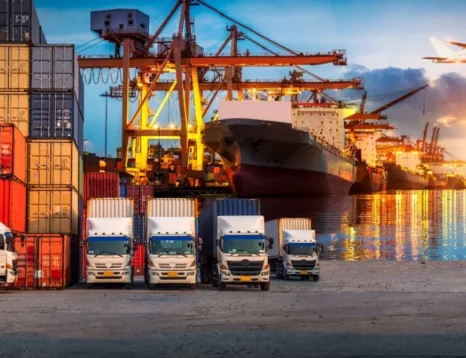
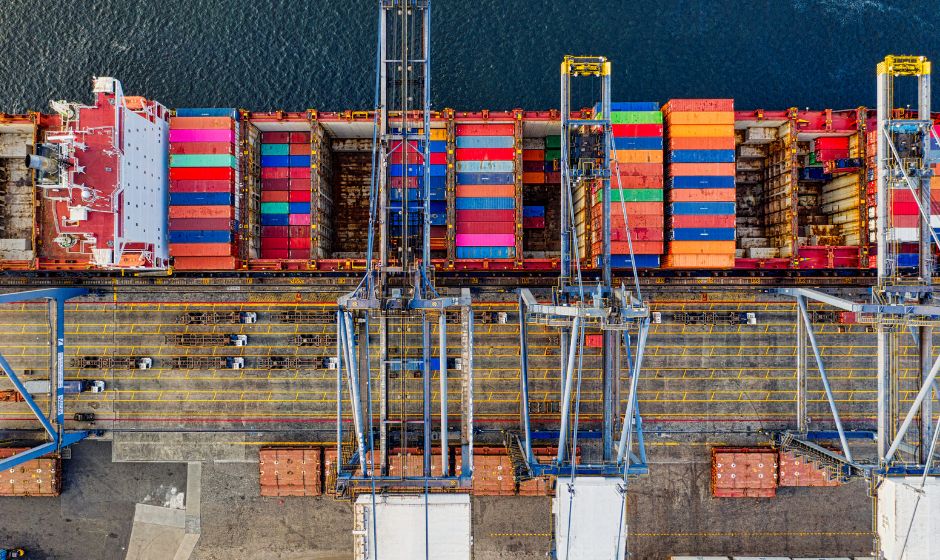
However, transporting rare earth concentrates from mines to refineries and then to manufacturing hubs involves multiple international freight routes, increasing exposure to geopolitical disruptions and transportation bottlenecks.
Heavy vs. Light Rare Earth Elements
Not all rare earth elements are equally available.
Light rare earth elements such as neodymium and praseodymium are relatively more abundant and widely used in clean energy technologies. Heavy rare earth elements, including dysprosium and terbium, are scarcer and often more difficult to extract and process.
Heavy rare earths are particularly important because they improve the heat resistance of permanent magnets used in EVs and wind turbines. Their limited availability creates additional logistics challenges, as manufacturers compete for secure supplies from a small number of production sources.
The Dual-Use Technology Challenge
Rare earth supply chains are increasingly viewed through a national security lens. Many rare earth materials are considered dual-use resources because they support both civilian and military technologies.
The same magnets used in electric vehicles may also be used in advanced defense systems, aerospace equipment, and communications technologies. Consequently, governments are monitoring shipments more closely and implementing stricter export controls.
This growing overlap between industrial and strategic demand is reshaping freight planning and procurement strategies worldwide.
Diversifying Mining Sources
To reduce dependence on a single country, governments and corporations are investing heavily in alternative mining projects.
Africa has emerged as a major area of interest, with countries such as Tanzania and Namibia attracting investment in rare earth exploration and development. South American nations are also evaluating new opportunities to supply critical minerals to global markets.
While diversification offers long-term benefits, building new mining and processing infrastructure takes years. Logistics networks must therefore adapt gradually while maintaining stable supplies for manufacturers.
Recycling and the Circular Economy
Recycling is becoming an increasingly important part of the rare earth equation.
Manufacturers are developing technologies to recover rare earth elements from end-of-life electric motors, electronics, and wind turbine components. Recycling reduces dependence on newly mined materials while lowering environmental impacts.
Although recycled rare earth volumes remain relatively small, industry experts expect circular economy initiatives to become a significant secondary supply source over the coming decade.
Magnet-Free Alternatives Gain Attention
The search for alternative technologies is also accelerating.
Several automakers are exploring magnet-free motor designs that reduce or eliminate the need for rare earth elements. Induction motors and other advanced motor architectures can help mitigate supply risks while lowering exposure to volatile mineral markets.
While permanent magnet motors remain highly efficient, diversification of motor technologies could reduce pressure on global rare earth supply chains in the future.
Strategic Stockpiling as a New Reality
Governments are increasingly treating rare earth minerals as strategic assets. National stockpiling programs are expanding across North America, Europe, and Asia as policymakers seek protection against potential supply disruptions.
These reserves act as insurance against geopolitical tensions, export restrictions, and freight interruptions. For manufacturers, stockpiles provide an additional layer of resilience in an increasingly uncertain global market.
Conclusion
Rare earth minerals have become a cornerstone of the clean energy transition, but their journey from mine to manufacturer is far from simple. China's refining dominance, export licensing requirements, dual-use technology concerns, and growing geopolitical competition continue to reshape global logistics strategies.
At the same time, investments in recycling, diversified mining projects, alternative motor technologies, and strategic stockpiles are helping create a more resilient supply chain. As demand for clean energy technologies grows, the freight and logistics challenges surrounding rare earth elements will remain a defining issue for global manufacturing.
Frequently Asked Questions (FAQs)
Rare earth elements are used in electric vehicle motors, wind turbines, advanced electronics, and energy-efficient technologies that support the global transition to clean energy.
China controls most of the world's rare earth processing and refining capacity, making global manufacturers heavily dependent on its supply chain infrastructure.
Light rare earths, such as neodymium, are more abundant, while heavy rare earths, such as dysprosium, are scarcer and often essential for high-temperature magnet performance.
Yes. Rare earths can be recovered from used electronics, electric motors, and renewable energy equipment, supporting circular economy initiatives and reducing mining dependence.
Yes. Some manufacturers are developing magnet-free motor technologies, including induction motors, to reduce reliance on rare earth permanent magnets and improve supply chain security.