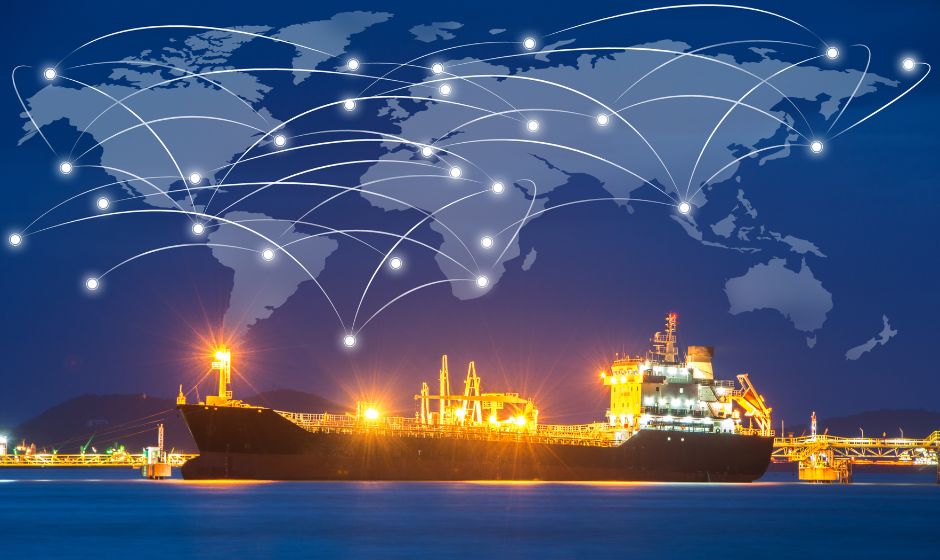
Global shipping is entering a new chapter as the Arctic Sea Route between China and Europe gains momentum in 2026. Rising global temperatures, combined with advances in icebreaker technology and growing investments in Arctic infrastructure, have made this once-seasonal passage increasingly practical for commercial shipping.
As geopolitical tensions continue to affect traditional shipping lanes like the Suez Canal and the Red Sea, many logistics companies are exploring the Arctic as an alternative route. Although it is not yet a replacement for conventional maritime corridors, it is becoming an important option for selected cargo movements between Asia and Europe.
Why Is the Arctic Sea Route Gaining Attention?
The Northern Sea Route (NSR) runs along Russia's Arctic coastline, connecting East Asia with Northern Europe through Arctic waters. Compared with the Suez Canal route, this passage can significantly shorten travel distance for many shipments.
In 2026, several shipping companies have expanded Arctic operations during the ice-free navigation season. Governments and logistics providers are also increasing investments in Arctic ports, navigation systems, satellite communication, and icebreaker support to improve safety and operational efficiency.
The growing demand for faster deliveries, lower fuel consumption, and diversified supply chains is making the Arctic route more attractive than ever.
Real-World Example: Sealegend Confirms Arctic Sailing
The growing commercial use of the Arctic Sea Route is no longer just a future concept. Shipping operators have already begun offering scheduled services between China and Europe.
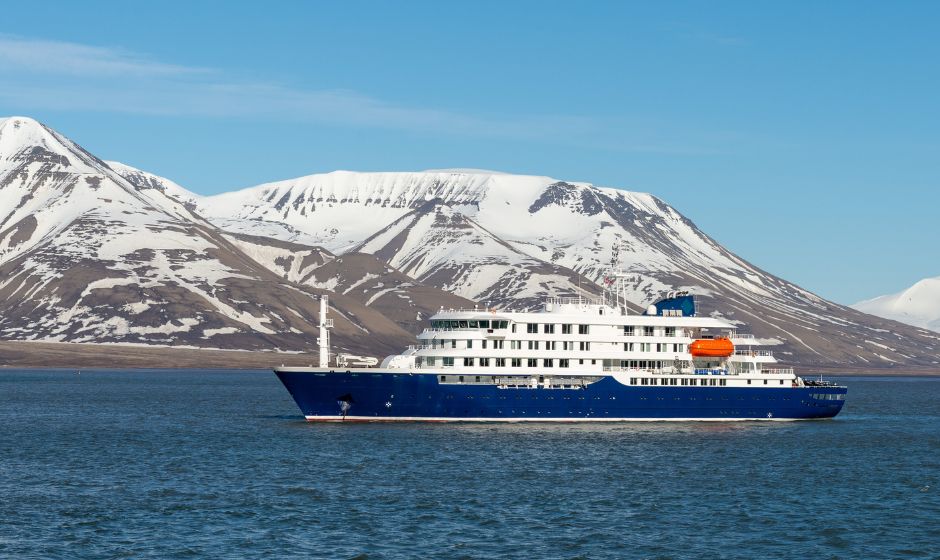
One example is Sealegend, which has announced a confirmed Arctic Express sailing under its Polar Silk Road service. According to the published schedule, the vessel Dubai Tower (Voyage 2633W) will depart from Qingdao before calling at Shanghai, Taicang, and Ningbo, then continue through the Arctic corridor to Felixstowe (UK), Hamburg (Germany), and Gdynia (Poland).
This confirmed sailing demonstrates that the Arctic route is gradually becoming a practical option for selected cargo, offering businesses an additional shipping alternative alongside traditional trade lanes.
Key Benefits of the Arctic Shipping Route
1. Shorter Transit Time
One of the biggest advantages is reduced sailing distance. Depending on the origin and destination, vessels may save 10 to 15 days compared with the traditional Suez Canal route.
Faster transit means:
- Quicker cargo delivery
- Lower inventory costs
- Better supply chain responsiveness
- Improved customer satisfaction
2. Lower Fuel Consumption
A shorter voyage generally results in lower fuel usage, helping shipping companies reduce operational expenses while lowering carbon emissions per trip.
As environmental regulations continue to tighten worldwide, fuel efficiency has become a major competitive advantage for international shipping companies.
3. Supply Chain Diversification
Recent disruptions in the Red Sea and Suez Canal have highlighted the risks of relying on a single global shipping corridor.
The Arctic Sea Route provides businesses with an additional option for transporting goods between China and Europe, improving resilience against geopolitical conflicts, port congestion, and unexpected delays.
4. Growing Arctic Infrastructure
Countries with Arctic coastlines are investing in:
- Modern Arctic ports
- Icebreaker fleets
- Search and rescue operations
- Digital navigation systems
- Weather forecasting technology
These developments are gradually making Arctic shipping safer and more reliable.
Beyond infrastructure investment, shipping lines are also increasing their operational capabilities by introducing dedicated Arctic services, specialized vessels, and regular sailing schedules during the navigable season. These developments indicate growing confidence in the commercial viability of Arctic shipping.
As more operators test scheduled Arctic services, freight forwarders and cargo owners will have greater flexibility when planning shipments between Asia and Europe, particularly when traditional shipping routes experience congestion or geopolitical disruption.
Challenges Still Remain
Despite its growing importance, Arctic shipping is far from risk-free.
Seasonal Accessibility
The route is still only fully navigable during specific months of the year. Severe winter ice conditions continue to limit year-round commercial operations.
High Operating Costs
Ships often require:
- Ice-class certification
- Specialized navigation equipment
- Icebreaker assistance
- Additional insurance coverage
These factors can offset some of the savings from shorter transit times.
Environmental Concerns
The Arctic is one of the world's most environmentally sensitive regions. Increased shipping activity raises concerns regarding:
- Marine ecosystem protection
- Oil spill risks
- Black carbon emissions
- Wildlife conservation
International organizations continue to discuss stricter environmental standards for Arctic operations.
Impact on China-Europe Trade
China remains Europe's largest manufacturing partner, while Europe continues to be a major destination for Chinese exports.
The Arctic Sea Route offers several strategic advantages:
- Faster transportation of electronics
- Improved delivery of automotive components
- Better supply chain flexibility
- Reduced dependency on congested shipping routes
Although container shipping through the Arctic still represents a relatively small share of total global trade, industry experts expect gradual growth as navigation technology and infrastructure continue to improve.
What Does This Mean for Global Logistics?
The emergence of the Arctic route reflects a broader trend toward multi-route global logistics rather than dependence on a single shipping corridor.
Freight forwarders, shipping companies, and global manufacturers are increasingly building flexible logistics strategies that combine:
- Suez Canal
- Cape of Good Hope
- Arctic Sea Route
- Rail freight corridors
- Air freight for urgent shipments
Businesses that diversify transportation options will be better prepared for future disruptions and changing market conditions.
Conclusion
The New Arctic Sea Route between China and Europe is no longer just a future possibility—it is becoming an increasingly important part of global logistics in 2026.
While seasonal limitations, environmental concerns, and operational costs still present challenges, the route offers meaningful opportunities to reduce transit times, improve supply chain resilience, and diversify international trade.
The announcement of confirmed commercial sailings, including Sealegend's Arctic Express service, demonstrates that the Arctic route is steadily moving beyond pilot operations. Although navigation remains seasonal, scheduled sailings reflect growing confidence among shipping operators and provide businesses with an additional option for selected China–Europe cargo movements.
As Arctic infrastructure continues to develop and climate conditions evolve, this shipping corridor is expected to play a growing role in connecting Asia and Europe over the coming decade.
Frequently Asked Questions (FAQs)
The New Arctic Sea Route, also known as the Northern Sea Route, is a shipping corridor along Russia's Arctic coastline that connects East Asia and Europe while reducing travel distance compared to the Suez Canal.
Shipping companies are attracted by shorter transit times, lower fuel consumption, improved supply chain diversification, and reduced dependence on congested or geopolitically sensitive trade routes.
Not entirely. Although navigation seasons are gradually expanding due to changing ice conditions and improved icebreaker support, year-round commercial shipping remains limited.
Major challenges include harsh weather conditions, seasonal ice, environmental regulations, higher insurance costs, specialized vessel requirements, and limited infrastructure in some Arctic regions.
No. Industry experts expect it to complement rather than replace the Suez Canal. Businesses are increasingly using multiple shipping routes to improve supply chain resilience and reduce operational risks.