Introduction
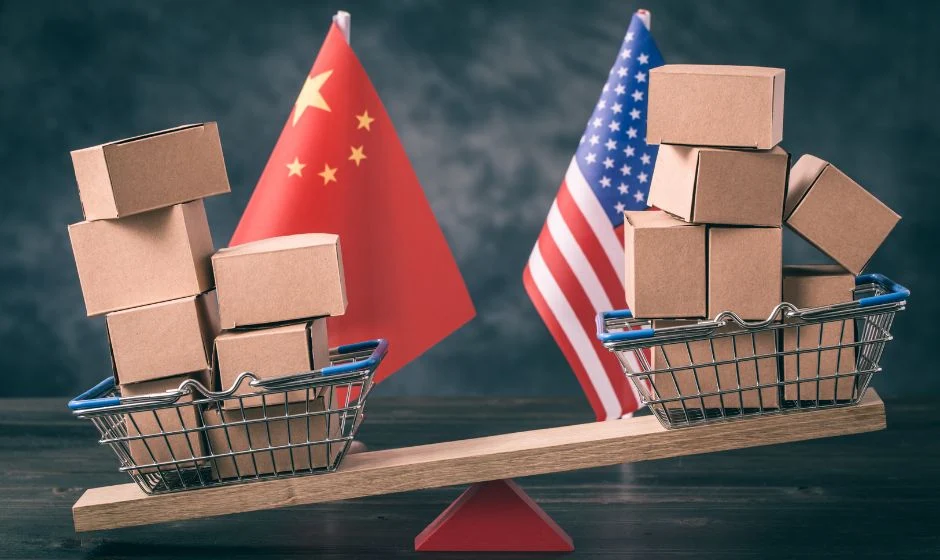
China–Brazil trade is reaching new heights in 2026, creating fresh opportunities and challenges for international freight forwarding, ocean freight, and supply chain management. According to figures reported by the Brazil–China Business Council, bilateral trade reached a record US$143.3 billion between January and September 2026, an increase of 11.1% compared with the same period in 2025. Brazil’s exports to China totalled US84.7billion,whileimportsfromChinareachedUS58.6 billion. Source: DatamarNews
This growth is influencing cargo demand, shipping schedules, port operations, and logistics planning across South America. For freight forwarders and businesses trading between the two countries, the priority is no longer simply moving goods. It is managing capacity, costs, documentation, and changing market conditions efficiently.
Record Trade Volumes Are Changing Cargo Demand
Brazil’s exports to China remain heavily concentrated in agricultural and industrial commodities. Soybeans generated approximately US30billioninexportrevenueduringthefirstninemonthsof2026,whilecrudeoilexportsreachedUS21.8 billion, supported by a 49% year-on-year increase in value. Iron ore remained another major export.
On the other side of the trade corridor, Brazil continues to import Chinese manufactured goods, machinery, electronics, and vehicles. Imports of electrified vehicles, including electric and hybrid models, reached approximately US$5.9 billion during January–September 2026.
These different cargo categories create varied logistics requirements. Bulk commodities depend on suitable vessel capacity and efficient loading operations, while manufactured goods and vehicles require specialised handling, container planning, or dedicated vehicle-carrier services.
For companies involved in China to Brazil shipping in 2026, understanding the cargo mix is essential when planning transport routes, managing inventory, and coordinating delivery schedules.
Shipping Routes and Port Connectivity Gain Importance
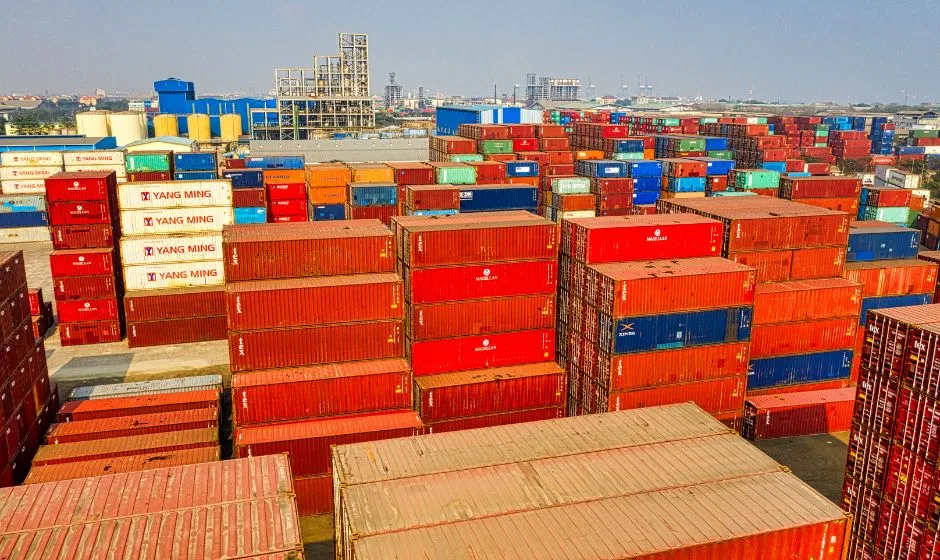
Brazil’s major ports play a critical role in connecting Asian suppliers with South American markets. Santos is an important gateway for containerised cargo, while other ports, including Paranaguá, Rio de Janeiro, and Rio Grande, support different cargo flows.
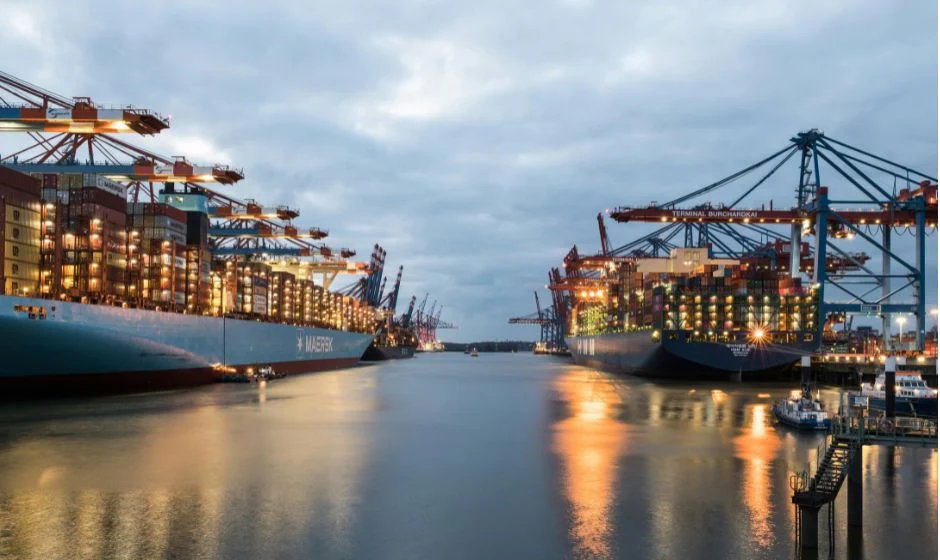
Recent developments are strengthening these connections. In September 2026, a new weekly direct service from Xiamen to Brazil’s east coast began operating, with calls at Rio Grande, Itajaí, Paranaguá, Rio de Janeiro, and Santos. The service, operated jointly by ZIM and Hapag-Lloyd, is designed to improve connectivity between China and South America. Source: Xiamen Free Trade Zone
Direct services can reduce reliance on transshipment and provide additional routing options. However, the most suitable China–Brazil shipping route still depends on the cargo’s origin, destination, size, urgency, and final delivery requirements.
Freight forwarders must also consider vessel availability, port congestion, customs clearance, and inland transportation when arranging international shipments.
Freight Costs and Capacity Require Careful Planning
Growing trade volumes do not automatically mean lower shipping costs. Freight rates are influenced by vessel supply, fuel prices, seasonal demand, port conditions, equipment availability, and carrier capacity decisions.
For exporters and importers, booking cargo early can help improve planning, particularly during agricultural export peaks or periods of increased demand for manufactured goods. Businesses should compare available services based on total transit time, routing reliability, and overall landed cost rather than focusing only on the ocean freight rate.
Containerised goods, bulk commodities, refrigerated cargo, and oversized shipments each have different handling requirements. Choosing the correct equipment and service can help reduce delays, unexpected charges, and cargo-handling risks.
A reliable freight forwarding partner can coordinate shipping documentation, carrier bookings, customs processes, and shipment tracking to support smoother cargo movement.
Trade Regulations Add New Challenges
Regulatory developments are another important consideration in 2026. Brazil has increased import tariffs on certain electrified vehicles, with rates reaching 35% for relevant categories in July. Meanwhile, China’s annual safeguard quota for Brazilian beef has introduced additional costs for shipments exceeding the permitted volume.
These changes illustrate how trade policy can influence shipping demand, product pricing, and cargo allocation. Importers must confirm the latest applicable duties, product classifications, and quota requirements before shipping.
Accurate commercial invoices, packing lists, certificates of origin where required, and other product-specific documents are essential for customs compliance. Requirements vary according to cargo type and applicable regulations, so businesses should verify them with qualified customs professionals before dispatch.
What This Means for South American Logistics
The expansion of China–Brazil trade is increasing the importance of flexible, well-coordinated logistics networks. Businesses need transport solutions that can accommodate different cargo types, changing trade regulations, and shifting vessel schedules.
For freight forwarders, this creates opportunities to provide more than basic transportation. Route planning, cargo consolidation, shipment visibility, customs coordination, and contingency planning can help customers manage international supply chains more effectively.
However, record trade values should not be confused with equal growth across every shipping segment. Commodity prices, changes in demand, and product-specific regulations can all affect shipment volumes differently.
As 2026 progresses, companies trading between China and Brazil will benefit from reviewing their shipping strategies regularly, maintaining clear communication with logistics partners, and building flexibility into their supply chains.
Conclusion
The record US$143.3 billion in China–Brazil trade during the first nine months of 2026 highlights the growing importance of this international logistics corridor. Strong commodity exports, rising imports of manufactured goods, and new direct shipping connections are reshaping transport requirements across both markets.
For businesses, success will depend on selecting suitable shipping routes, controlling logistics costs, maintaining regulatory compliance, and preparing for changing market conditions. A proactive freight forwarding strategy can help importers and exporters turn expanding trade opportunities into more reliable international cargo operations.
Frequently Asked Questions (FAQs)
Key factors include strong Brazilian exports of soybeans and crude oil, continued iron ore shipments, and growing Brazilian demand for Chinese manufactured goods and electrified vehicles.
Services connect Chinese ports with Brazilian gateways such as Santos, Paranaguá, Rio de Janeiro, Itajaí, and Rio Grande, Vitoria, Manaus, Salvador, Suape. The best route depends on cargo origin, destination, carrier schedules, and service availability.
Transit time varies by origin and destination, direct or transshipment routing, carrier schedules, and port conditions. Importers should request current sailing schedules and allow additional time for customs clearance and inland delivery.
Freight rates depend on vessel capacity, cargo type, fuel costs, seasonal demand, port congestion, equipment availability, and carrier pricing. Comparing total shipping costs can provide a more accurate picture than comparing ocean freight rates alone.
Freight forwarders can coordinate carrier bookings, route selection, shipping documentation, customs support, cargo handling, shipment tracking, and inland transport. Their role is to help businesses manage logistical complexity and minimise avoidable delays.