In today's fast-paced logistics industry, efficiency is the key to success. Companies must constantly innovate to manage increasing demands, optimize processes, and reduce operational costs.
Robotic Process Automation (RPA) has emerged as a game-changer, automating repetitive tasks and improving overall efficiency.
By integrating logistics automation, businesses can achieve faster, more accurate operations while freeing up human resources for strategic roles.
Using RPA logistics in modern supply chain management has led to significant advancements in freight efficiency, improved delivery times, reduced paperwork, and seamless coordination among multiple stakeholders.
With operational streamlining and the ability to enhance supply chain automation, companies now see the benefits of implementing a digital workforce in logistics.
The demand for cost-effective logistics solutions is at an all-time high, and logistics tech innovation continues to drive the industry forward.
Understanding Robotic Process Automation in Logistics
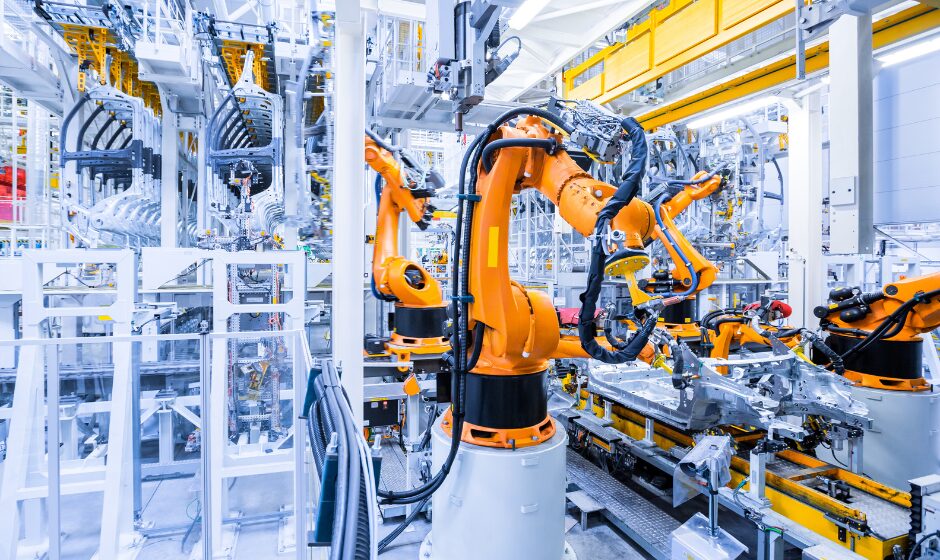
Robotic Process Automation (RPA) refers to using software bots to replicate human actions within digital systems to perform structured and rule-based tasks without manual intervention. Unlike physical robots used in warehouses, RPA functions at the software level, handling data processing, document validation, and order tracking with precision. In logistics, this technology helps automate inventory management, shipment scheduling, invoicing, and freight documentation processes.
Many logistics companies still rely on traditional, time-consuming annual processes that are prone to human error.
By implementing logistics automation, businesses can significantly reduce inefficiencies. RPA logistics can extract data from emails, update records in enterprise systems, and trigger automated responses. This results in fewer delays, improved compliance with international regulations, and enhanced customer satisfaction.
The benefits of RPA logistics are particularly pronounced for freight forwarders. By automating repetitive administrative tasks, freight companies can focus on optimizing freight efficiency and providing better service to clients. RPA enables real-time tracking of shipments, ensuring transparency and accuracy in the supply chain. Additionally, automated data entry minimizes the risk of errors that could lead to costly shipping delays.
Enhancing Freight Efficiency with RPA
The logistics industry relies heavily on efficiency and timeliness. One of the most crucial aspects of freight efficiency is managing shipments, scheduling transportation, and ensuring proper documentation. Robotic process automation allows logistics firms to automate freight bookings, compare carrier rates in real time, and generate tracking numbers without human intervention. This reduces the time required to coordinate shipments and improves overall productivity.
Document processing is another area where RPA logistics significantly improves freight efficiency. Freight forwarders often deal with a high volume of paperwork, including invoices, bills of lading, and customs documentation. Manual handling of these documents can lead to errors, misplaced files, and compliance issues. With logistics automation, companies can extract, validate, and store information digitally, ensuring accurate and faster processing.
Another key advantage of logistics automation is the ability to optimize load planning.
RPA systems analyze cargo weight, dimensions, and destination requirements to maximize space utilization in containers and trucks. This ensures that logistics providers can transport goods more efficiently and reduce costs.

Transforming Supply Chain Automation with RPA
The integration of supply chain automation has revolutionized how businesses manage logistics operations. By leveraging RPA logistics, companies can monitor inventory levels in real-time and ensure that stock is replenished automatically when it reaches a critical threshold.
Robotic process automation (RPA) is crucial for optimizing workflows in warehouse operations.
RPA bots work alongside warehouse management systems to track stock movement, update databases, and automate order fulfillment. This level of operational streamlining enhances productivity and reduces reliance on manual labor.
Cost-Effective Logistics Through RPA Implementation
One of the primary reasons for its widespread adoption is the cost benefits of RPA logistics. By automating routine tasks, logistics companies can significantly reduce labor costs. Instead of hiring large teams to handle data entry and document processing, businesses can deploy software bots that perform these functions more accurately and efficiently.
Error reduction is another financial advantage of robotic process automation. Manual errors in logistics operations, such as incorrect billing or misrouted shipments, can lead to substantial monetary losses. RPA ensures that data is processed accurately, eliminating the need for costly rework and preventing disputes with clients and vendors.
Latest Trends in RPA Adoption for Freight Forwarders
The logistics sector is undergoing rapid digital transformation, with technological innovation driving new solutions. Leading freight forwarders are investing heavily in automation to enhance efficiency.
Recent industry reports highlight the increasing adoption of RPA-powered booking platforms in air cargo transportation. These platforms allow companies to automate carrier selection, pricing comparisons, and shipment tracking, reducing reliance on traditional methods.
Conclusion
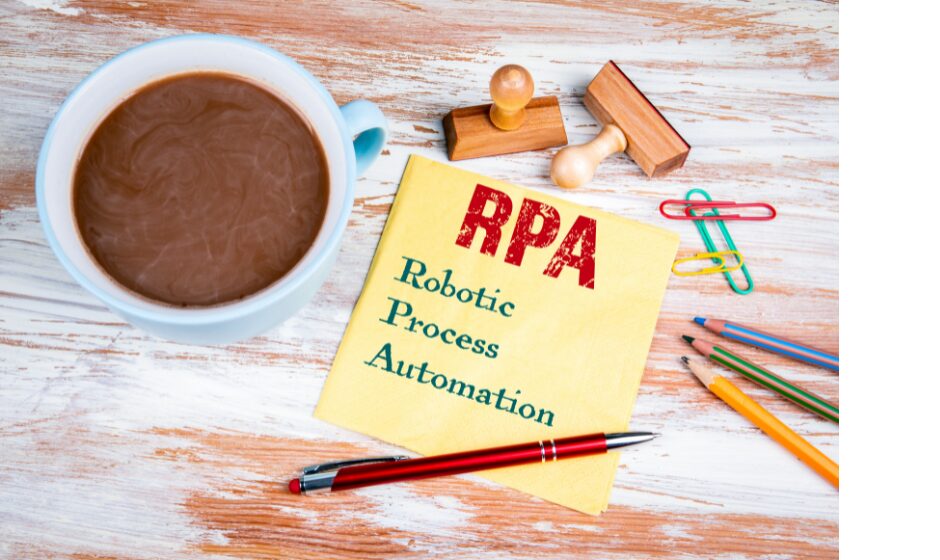
Adopting Robotic Process Automation (RPA) in logistics transforms the industry by improving freight efficiency, optimizing supply chain automation, and reducing costs through cost-effective logistics solutions. Implementing logistics automation ensures better accuracy, faster processing, and enhanced customer satisfaction.
With businesses increasingly investing in digital workforce logistics, the future of logistics is set to be more efficient, agile, and competitive.
As logistics companies continue to embrace logistics tech innovation, integrating RPA into their operations will be crucial for long-term success.