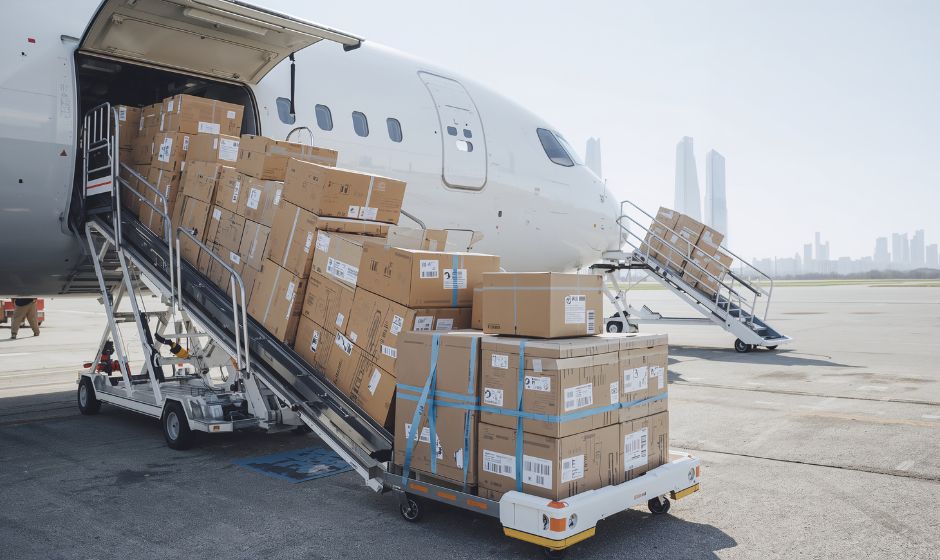
As 2026 unfolds, the global air freight industry is no longer in recovery mode—it is firmly in transformation. What began as post-pandemic stabilization has evolved into a new operating reality defined by capacity recalibration, sustainability pressure, and relentless e-commerce growth. Air cargo today is faster, greener, more digital, and far more strategic than it was even three years ago.
From air cargo capacity forecasts for 2026 to the growing importance of sustainable aviation fuel (SAF) logistics, the sector is being reshaped by market demand, regulatory expectations, and customer behavior that values speed as much as reliability.
Air Cargo Capacity in 2026: Smarter, Not Just Bigger
The air cargo capacity forecast for 2026 reflects a shift away from sheer volume expansion toward smarter utilization. With global passenger traffic fully normalized, belly cargo capacity has returned strongly, reducing some of the pressure seen during earlier freighter-heavy years. However, this has not led to overcapacity.
Instead, airlines are deploying aircraft more strategically, focusing on high-yield trade lanes and time-sensitive commodities. Dedicated freighter fleets remain essential for oversized cargo, urgent freight services, and routes where passenger connectivity is limited. Charter flight logistics services, in particular, have seen steady demand in 2026 due to geopolitical disruptions, supply chain diversification, and infrastructure gaps in emerging markets.
Capacity planning today is data-driven, demand-specific, and closely aligned with regional consumption patterns rather than global averages.
E-Commerce Air Freight: Speed Is the New Currency
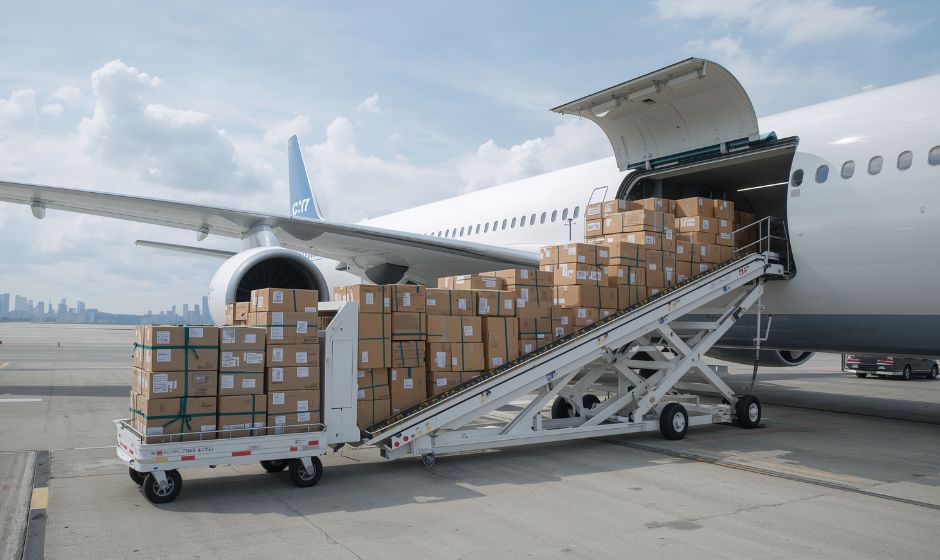
If one force continues to dominate air freight in 2026, it is e-commerce. Cross-border online shopping, same-day delivery promises, and direct-to-consumer models have fueled demand for e-commerce air freight solutions that prioritize speed, flexibility, and visibility.
Marketplaces and logistics providers are increasingly securing block space agreements, operating dedicated freighter routes, and partnering with integrators to bypass congestion-prone hubs. Lightweight, high-frequency shipments now account for a significant share of air cargo volumes, changing how airlines price, schedule, and allocate capacity.
This surge has also accelerated investment in digital air waybill implementation, enabling paperless processing, faster customs clearance, and real-time shipment tracking—capabilities that e-commerce customers now expect as standard, not optional.
Sustainability Takes Center Stage in Air Cargo Operations
In 2026, sustainability is no longer a future goal—it is an operational requirement. Airlines, forwarders, and shippers are under increasing pressure from regulators and customers to reduce carbon emissions without compromising delivery timelines.
Sustainable aviation fuel (SAF) logistics has emerged as a critical lever in this transition. While SAF availability remains uneven across regions, major cargo hubs are expanding blending and storage infrastructure to support growing demand. Forward-thinking logistics providers are offering SAF-backed freight solutions, allowing shippers to offset emissions through certified fuel programs.
Beyond fuel, sustainability efforts now include optimized routing, lighter packaging, digital documentation, and better load planning—proof that environmental responsibility and operational efficiency can move in the same direction.
Pharma, Perishables, and the Rise of Specialized Cargo
Specialized cargo continues to be one of the strongest growth segments in 2026. The global healthcare supply chain, in particular, depends heavily on air transport for temperature-sensitive and high-value shipments.
The IATA CEIV Pharma certification has become a baseline requirement rather than a differentiator. Airports, airlines, and ground handlers without certified facilities are increasingly excluded from pharmaceutical contracts. This has driven infrastructure upgrades, staff training, and tighter compliance across major cargo gateways.
Similarly, perishables air cargo—including fresh produce, seafood, and flowers—has benefited from improved cold chain technologies and faster transit times. With consumers demanding fresher products year-round, air freight remains indispensable despite cost pressures.
Urgent Freight and Charter Services Remain Essential
Despite digitalization and improved forecasting, disruptions remain part of global trade. In 2026, urgent freight services are still critical for industries such as automotive, aerospace, energy, and healthcare.
When scheduled capacity cannot meet timelines, charter flight logistics services provide unmatched flexibility. From emergency medical supplies to production-line-critical components, charters are increasingly used not as a last resort, but as a strategic solution built into contingency planning.
Air Freight Rate Trends: Stability with Selective Volatility
Air freight rate trends in 2026 show relative stability compared to the extreme volatility of earlier years. However, this does not mean uniform pricing. Rates continue to fluctuate based on seasonality, fuel costs, geopolitical risks, and capacity availability on specific trade lanes.
Premium services—such as express e-commerce, pharma, and urgent cargo—continue to command higher yields. Shippers are more willing to pay for reliability, transparency, and sustainability credentials than for lowest-cost options alone.
Looking Ahead: A More Intelligent Air Freight Industry
In 2026, the air freight industry is actively operating in a more disciplined, sustainability-focused, and technology-driven environment. Airlines are no longer experimenting with digitalization or green initiatives—these elements are now embedded into everyday cargo operations. Capacity planning is guided by real-time demand data, while digital air waybill implementation has become standard practice across major trade lanes.
At the same time, air cargo is playing a central role in keeping global trade moving amid ongoing geopolitical uncertainty, supply chain realignments, and rising e-commerce volumes. From urgent freight services supporting industrial production to temperature-controlled pharma and perishables air cargo, air freight continues to serve sectors where speed and reliability are non-negotiable.
Rather than focusing only on speed, the industry in 2026 is prioritizing efficiency, network resilience, and sustainability. Strategic airport gateway selection, increased use of SAF logistics, and stable but segmented air freight rate trends reflect an industry adapting to current market realities. Air cargo today is not just moving faster—it is operating smarter in response to the demands of this moment.