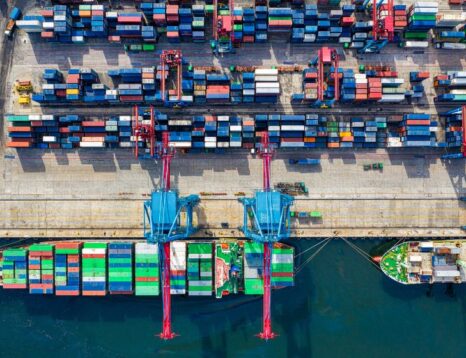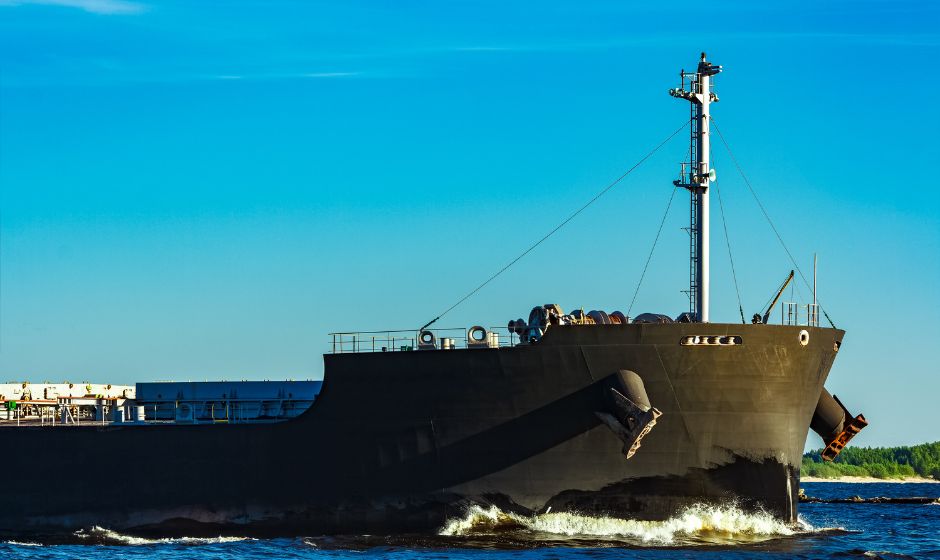
The global shipping industry is facing another turbulent year in 2026, with blank sailings becoming a major concern for importers, exporters, and logistics companies worldwide. Ocean carriers are canceling scheduled voyages across key trade routes, creating supply chain disruptions and pushing ocean freight rates in 2026 to higher levels.
Although global trade demand has not fully recovered, shipping lines are using aggressive carrier capacity cuts to maintain profitability and prevent freight prices from falling. As a result, businesses are dealing with rising transportation costs, delayed deliveries, and limited cargo space.
What Are Blank Sailings?
Blank sailings happen when shipping carriers cancel a planned voyage or skip certain ports during a scheduled route. This strategy allows carriers to reduce the number of containers moving through the market.
Shipping companies typically use blank sailings during periods of weak demand, seasonal slowdowns, or operational disruptions. However, the scale of cancellations in 2026 is much larger than normal market adjustments.
Major shipping alliances operating on Asia-Europe and Transpacific routes have removed dozens of weekly sailings to tighten available capacity and support freight pricing.
Why Are Ocean Carriers Cutting Capacity in 2026?
1. Oversupply of Container Ships
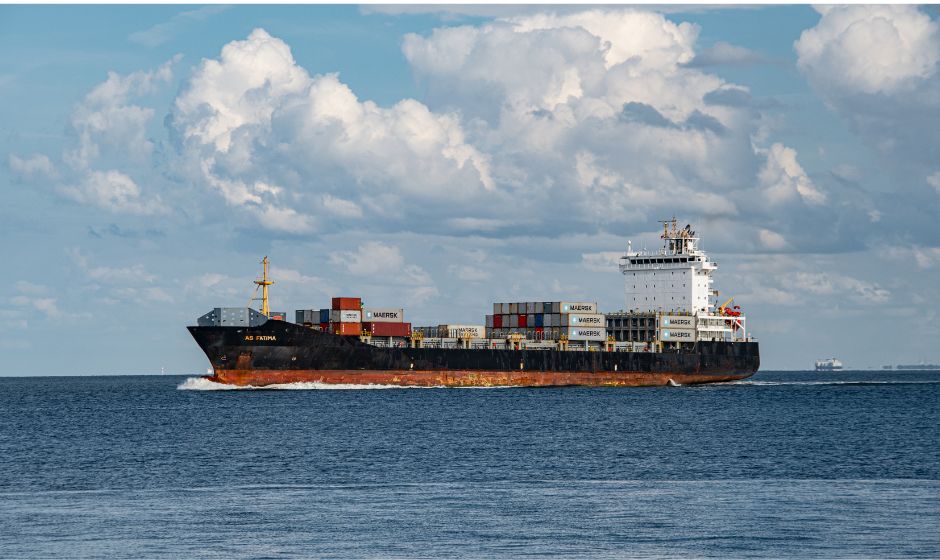
One of the biggest reasons behind the current carrier capacity cuts is the rapid increase in vessel supply. During the pandemic shipping boom, carriers ordered hundreds of new container ships to handle surging global trade demand.
Those vessels are now entering the market in 2026, but cargo demand has slowed significantly compared to the peak years of 2021 and 2022. This imbalance has created excess shipping capacity across global trade lanes.
To avoid a collapse in freight pricing, carriers are intentionally reducing sailings and limiting available shipping space.
2. Weak Global Trade Demand
Economic uncertainty in several major economies has reduced consumer spending and manufacturing activity. Retailers in North America and Europe are also keeping inventory levels lower after facing overstock problems in previous years.
As a result, container booking volumes have remained inconsistent throughout 2026, forcing carriers to adjust schedules frequently.
3. Red Sea and Suez Canal Disruptions
Geopolitical tensions around the Red Sea continue to affect global shipping operations. Many carriers are still avoiding the Suez Canal and rerouting vessels around the Cape of Good Hope.
These longer routes increase fuel consumption, transit times, and operational expenses. They also reduce the number of available vessels because ships spend more time completing each journey.
This situation is adding further pressure to already tight shipping capacity.
How Blank Sailings Are Increasing Ocean Freight Rates
The sharp increase in blank sailings is directly contributing to the ongoing freight cost increase in 2026.
When carriers cancel voyages, fewer containers can move across major routes. This creates limited space availability, especially during peak shipping periods. As demand for available slots rises, carriers increase spot freight rates and apply additional surcharges.
Several routes between Asia and North America have already seen major price increases during the first half of 2026. Importers are also facing higher fuel surcharges, congestion fees, and equipment imbalance charges.
Even though cargo demand remains moderate, carriers are successfully supporting higher prices by carefully controlling capacity.
Impact on Businesses and Supply Chains
Delayed Shipments
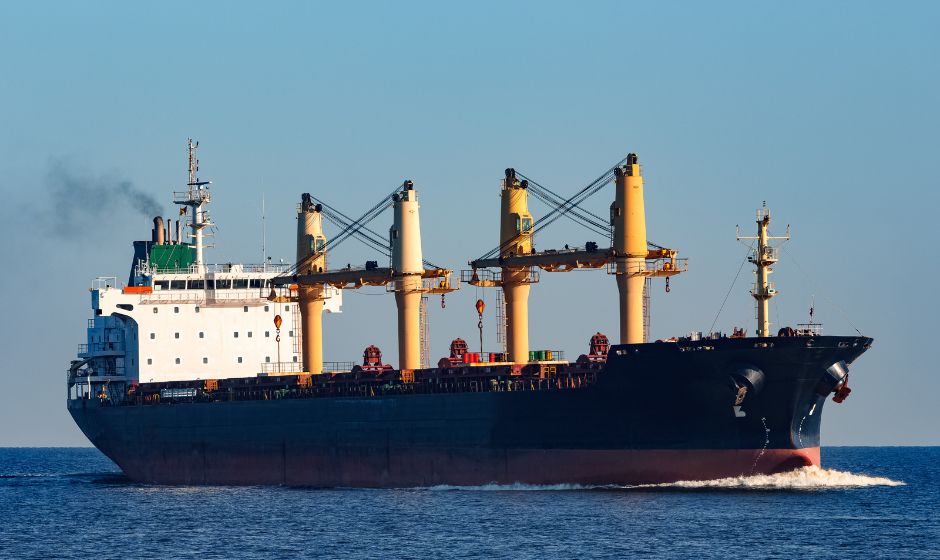
Blank sailings are causing frequent schedule changes and shipment delays. Many containers are being rolled over to later sailings because vessels are already fully booked.
Rising Logistics Costs
Businesses are paying significantly more for ocean transportation compared to previous months. Higher freight costs are affecting profit margins across industries, including retail, automotive, electronics, and manufacturing.
Inventory Planning Challenges
Companies that depend on seasonal inventory are under pressure to secure cargo space earlier than usual. Delays during peak seasons can lead to stock shortages and lost sales opportunities.
Shift Toward Alternative Transport
Some businesses are exploring rail freight, nearshoring, or air cargo options to reduce supply chain risks, even though these alternatives often come with higher costs.
What to Expect for the Rest of 2026
Shipping analysts believe market volatility will continue throughout 2026. If Red Sea routes stabilize and more vessels return to normal operations, freight rates could ease later in the year.
However, carriers are expected to continue using blank sailings as a strategic tool to manage supply and protect profits. This means businesses should prepare for ongoing uncertainty in both pricing and vessel schedules.
For shippers, flexibility and early planning will remain critical in navigating the changing global freight market.
Frequently Asked Questions (FAQ)
Blank sailings occur when shipping carriers cancel scheduled voyages or skip ports to reduce shipping capacity and manage freight rates.
Ocean freight rates in 2026 are increasing because carriers are cutting capacity, fuel costs remain high, and global shipping routes continue to face disruptions.
Carrier capacity cuts reduce available cargo space, leading to shipment delays, higher transportation costs, and inventory planning challenges.
The Asia-Europe and Transpacific trade lanes are currently experiencing the highest number of blank sailings and schedule disruptions.
Freight costs may stabilize if global shipping routes normalize, but carriers are likely to continue controlling capacity to maintain pricing levels.