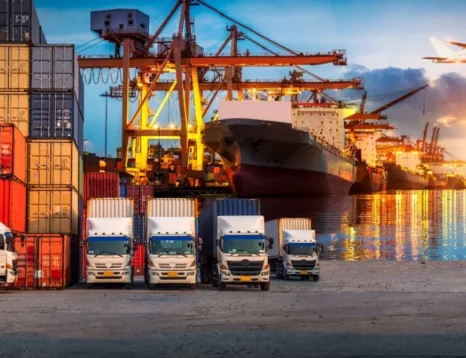
The shipping industry in 2026 is facing one of its most unpredictable periods in recent years. Rising fuel costs, new carrier surcharges, tariff uncertainty, geopolitical disruptions, and growing customer expectations are creating serious challenges for businesses worldwide. Companies that fail to adapt are seeing their shipping expenses rise dramatically, often losing thousands of dollars annually due to avoidable mistakes.
Recent market developments have pushed shipping rates higher across multiple trade routes, while fuel surcharges and logistics fees continue to increase. As a result, businesses must rethink their shipping strategies to remain profitable and competitive. This article explores the most common shipping mistakes companies are making in 2026 and how to avoid them.
1. Ignoring Rising Fuel Surcharges
One of the biggest shipping mistakes businesses are making in 2026 is underestimating the impact of fuel surcharges. Many carriers have introduced emergency fuel fees as transportation costs continue to rise.
Companies often focus only on the base shipping rate while overlooking additional charges that can significantly increase total logistics expenses.
How to Avoid It:
- Review carrier invoices monthly.
- Track fuel surcharge updates from shipping providers.
- Negotiate contracts with surcharge caps whenever possible.
- Compare multiple carriers before shipping large volumes.
Businesses that actively monitor fuel-related costs can reduce unexpected expenses and improve budget forecasting.
2. Relying on a Single Shipping Carrier
Global shipping conditions remain volatile in 2026. Delays, capacity shortages, and route disruptions can impact carrier performance without warning.
Many businesses continue relying on one carrier, creating unnecessary risk.
How to Avoid It:
- Build relationships with multiple shipping providers.
- Diversify domestic and international shipping options.
- Use carrier comparison software to identify the best rates and transit times.
A multi-carrier strategy improves flexibility and reduces operational disruptions.

3. Failing to Adapt to Tariff Changes
Tariff uncertainty continues to influence shipping and supply chain decisions in 2026. Businesses that fail to monitor trade regulations may experience higher landed costs and unexpected customs expenses.
How to Avoid It:
- Stay informed about international trade policies.
- Review import and export regulations regularly.
- Work with customs experts and freight forwarders.
Proactive planning helps prevent costly compliance issues and shipping delays.
4. Using Outdated Manual Shipping Processes
Many businesses still depend on spreadsheets and manual data entry for order fulfillment. This increases the likelihood of shipping errors, incorrect labels, and delayed deliveries.
Meanwhile, logistics companies are increasingly using AI-powered shipping tools to improve efficiency and accuracy.
How to Avoid It:
- Implement shipping automation software.
- Use barcode scanning systems.
- Integrate inventory, order management, and shipping platforms.
Automation reduces errors while helping businesses scale efficiently.
5. Poor Inventory Forecasting
Supply chain disruptions remain a reality in 2026. Businesses that fail to forecast demand accurately often experience stockouts or excess inventory.
Both scenarios create financial losses.
How to Avoid It:
- Use demand forecasting tools.
- Analyze historical sales data.
- Monitor seasonal trends and market conditions.
Accurate forecasting improves inventory management and shipping efficiency.
6. Overlooking Packaging Optimization
Many businesses still use oversized packaging that increases dimensional weight charges.
With shipping costs under pressure, poor packaging decisions can significantly reduce profit margins.
How to Avoid It:
- Use right-sized packaging.
- Reduce empty space within shipments.
- Test packaging designs regularly.
Optimized packaging lowers transportation costs and minimizes product damage.
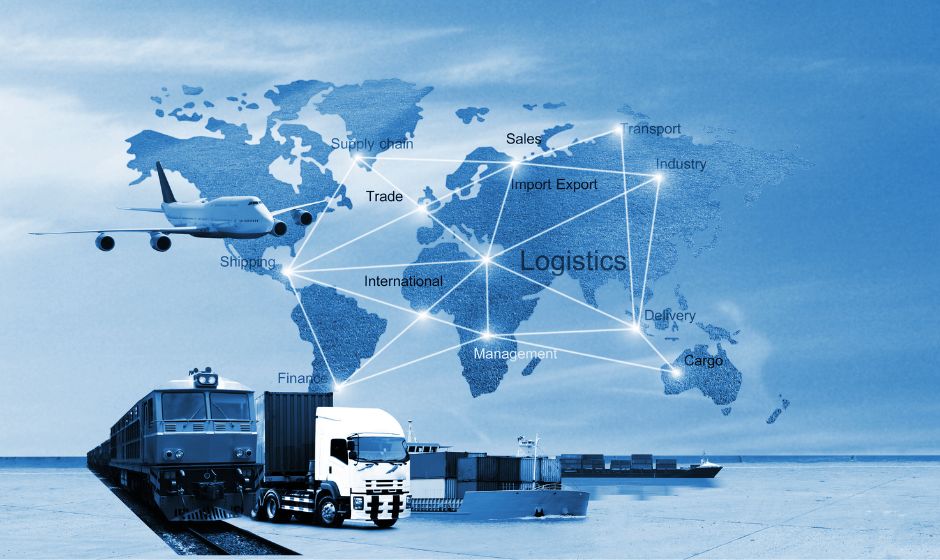
7. Ignoring Shipping Data and Analytics
Businesses often collect shipping data but fail to use it effectively.
Without performance analysis, companies cannot identify expensive inefficiencies or recurring fulfillment problems.
How to Avoid It:
Track key metrics such as:
- Cost per shipment
- Delivery success rates
- Return percentages
- Carrier performance
- Customer complaints
Data-driven decisions help businesses continuously improve logistics operations.
8. Neglecting Supply Chain Risk Management
One of the biggest lessons from recent global disruptions is that supply chains require resilience.
Businesses that focus only on cost reduction often struggle when unexpected events affect transportation networks.
How to Avoid It:
- Develop contingency shipping plans.
- Diversify suppliers.
- Maintain safety stock for critical products.
A resilient supply chain reduces long-term financial risk.
9. Offering Limited Delivery Choices
Customer expectations continue to evolve in 2026. Buyers increasingly expect flexible shipping options, including express and same-day delivery.
Companies that offer only one delivery method may lose sales opportunities.
How to Avoid It:
Provide:
- Standard delivery
- Express shipping
- Scheduled delivery options
- International shipping services
More flexibility often leads to higher customer satisfaction and conversion rates.
10. Poor Customer Communication
Customers expect real-time updates throughout the shipping process.
Failure to communicate delays or delivery changes often results in negative reviews and increased support costs.
How to Avoid It:
- Send automated tracking notifications.
- Inform customers about delays immediately.
- Provide accurate delivery estimates.
Transparency builds trust and improves the customer experience.

Conclusion
The shipping landscape in 2026 is shaped by rising fuel costs, tariff uncertainty, evolving supply chain risks, and rapid technological change. Businesses that continue using outdated shipping practices risk losing thousands of dollars through avoidable mistakes.
Companies that invest in automation, diversify carrier relationships, optimize packaging, monitor shipping analytics, and strengthen supply chain resilience will be better positioned to reduce shipping costs and maintain profitability in today's challenging logistics environment.
Frequently Asked Questions (FAQs)
Shipping costs are rising due to fuel surcharges, geopolitical disruptions, tariff uncertainty, capacity constraints, and higher operational expenses across the logistics industry.
Failing to monitor carrier surcharges and additional fees remains one of the most expensive mistakes for businesses in 2026.
Companies can lower shipping expenses by optimizing packaging, using multiple carriers, automating fulfillment processes, and analyzing shipping data regularly.
AI helps businesses improve route planning, automate workflows, reduce errors, predict demand, and optimize overall shipping performance.
Businesses can strengthen resilience by diversifying suppliers, creating contingency plans, maintaining safety stock, and continuously monitoring logistics risks.