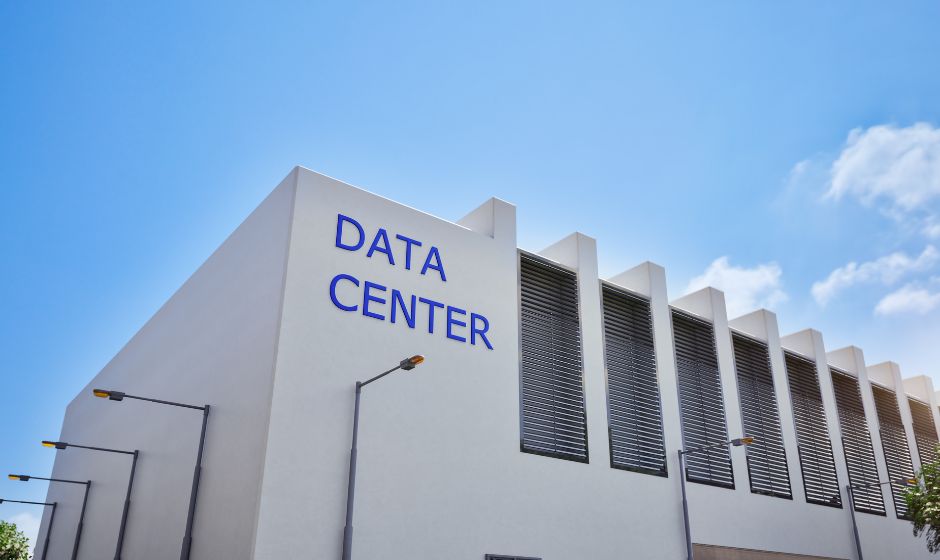
The global data center industry is entering a new phase in 2026. The rapid expansion of artificial intelligence (AI), cloud computing, and high-performance workloads is driving demand for larger and more powerful facilities. JLL estimates that nearly 100 GW of new data center capacity could be added globally between 2026 and 2030, while global capacity is expected to grow at around 14% annually.
This expansion is creating a growing logistics challenge. Data centers are not simply buildings filled with servers. They depend on a complex combination of computing equipment, power infrastructure, cooling systems, networking hardware, generators, fiber connectivity, and construction materials. As projects become larger and schedules become tighter, logistics providers must manage freight with greater precision.
Why Data Center Logistics Is Becoming More Specialized
The growth of hyperscale and AI-focused facilities is changing the nature of data center construction. CBRE's 2026 market outlook reports that global data center inventory increased significantly in the first quarter of 2026, driven largely by hyperscale and AI demand. At the same time, power constraints, construction costs, and supply chain bottlenecks are extending project timelines in several major markets.
For logistics providers, this means hyperscale data center construction logistics must be integrated into the project from an early stage rather than treated as a final delivery activity.
Data center projects require the movement of equipment from multiple international suppliers to a single construction site, often according to a tightly controlled installation sequence.

Moving High-Value Technology Safely
One of the most sensitive parts of data center logistics involves high-value server and IT equipment transport. AI infrastructure increasingly relies on advanced servers, accelerators, networking equipment, and specialized computing hardware. Recent demand for AI-optimized servers has contributed to strong growth among equipment manufacturers.
These shipments require specialized packaging and shock monitoring because vibration, impact, humidity, electrostatic discharge, or incorrect handling can damage expensive equipment. Depending on the cargo, logistics teams may use shock and tilt indicators, protective packaging, controlled handling procedures, and real-time tracking.
Temperature-sensitive component shipping can also become important when certain electronic components or related materials require controlled environmental conditions during transportation and storage.
Oversized Equipment Creates Complex Delivery Requirements
Data centers require much more than servers. Generators, transformers, switchgear, chillers, cooling equipment, electrical systems, and other large components can be extremely heavy or oversized.
This makes oversized infrastructure delivery coordination a major logistics requirement. Routes may need to be surveyed in advance for bridge restrictions, road widths, height clearances, weight limitations, and local regulations.
Generators and cooling systems are particularly important because they directly support the facility's power resilience and thermal management. Construction schedules increasingly depend on the timely arrival of such long-lead equipment.
In 2026, power availability itself has become one of the industry's biggest constraints. Research published in Energy Reports notes that while data centers can be constructed in roughly 18–36 months, grid connections may take four to five years or longer in some cases.
Fiber and Connectivity Are Equally Important
Computing infrastructure cannot operate effectively without reliable connectivity. This makes fiber optic cable logistics another important part of data center supply chains.
Fiber cables and networking components must arrive at the right location and at the right construction stage. Damage, delays, or poor storage can affect installation schedules and ultimately postpone commissioning.
This is why data center construction material supply chains increasingly require centralized visibility across suppliers, freight movements, warehouses, customs processes, and final-mile delivery.
Precision Scheduling Is Critical
Traditional logistics often allows some flexibility around delivery dates. Data center construction offers much less room for delay.
A generator arriving too early may require expensive temporary storage. Arriving too late can delay installation and commissioning. The same applies to servers, cooling equipment, electrical components, and networking systems.
As a result, tight delivery windows and precision scheduling are becoming fundamental to data center logistics. Logistics teams need to coordinate transport with construction milestones, site readiness, installation crews, and available storage space.
The challenge is becoming particularly significant as developers move toward larger campuses. In 2026, logistics providers are also seeing increased warehouse demand from companies supplying generators, turbines, switchgear, and other equipment for data center projects.
Reverse Logistics and Data Center Sustainability
The logistics requirement does not end when a data center becomes operational. Servers and other IT equipment eventually reach the end of their useful life.
E-waste and decommissioning reverse logistics can help operators move retired equipment through secure collection, refurbishment, recycling, or responsible disposal channels. This creates a second logistics cycle that requires asset tracking, secure handling, compliant transportation, and appropriate documentation.
With data center expansion creating increasing pressure on electricity, water, and land resources, lifecycle management is becoming more important to the industry's sustainability efforts.
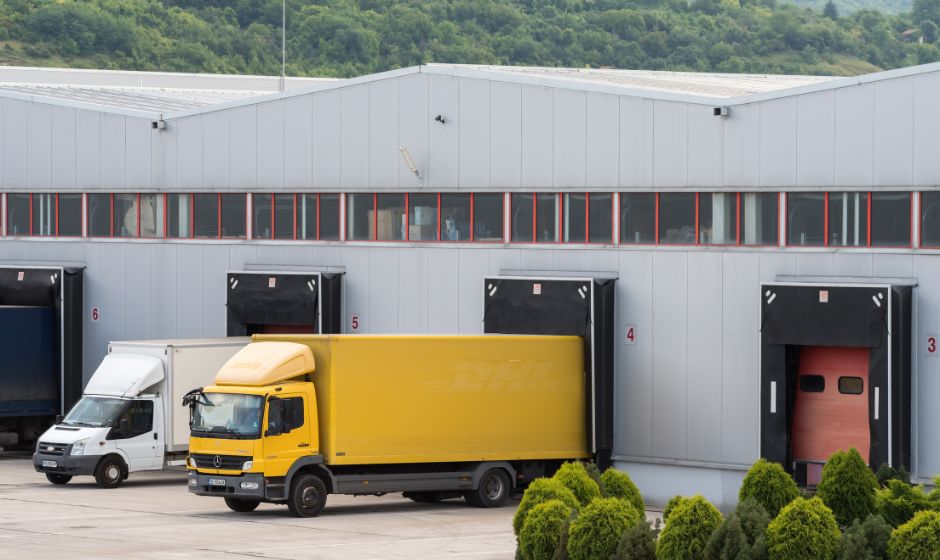
The Future of Data Center Freight
Data center logistics is evolving alongside the infrastructure itself. AI workloads are pushing facilities toward higher power density, advanced cooling, larger campuses, and increasingly complex supply chains.
India is also becoming an important part of this expansion. Cushman & Wakefield reported in June 2026 that India had 1.6 GW of operational data center capacity and a further 3.1 GW under construction or planned.
For freight forwarders and logistics providers, this represents a growing specialist market. Success will depend not only on moving cargo from one location to another, but on managing high-value equipment, oversized infrastructure, controlled handling, customs, warehousing, site access, and time-critical deliveries as one coordinated logistics process.
As data centers become essential infrastructure for the AI-driven economy, specialized freight management will become an increasingly important part of keeping these facilities on schedule.
Frequently Asked Questions (FAQs)
Data centers use high-value IT equipment, oversized power systems, cooling equipment, networking hardware, and sensitive components. These shipments require specialized handling, packaging, security, routing, and precise delivery scheduling.
Common cargo includes servers, racks, GPUs and other computing equipment, generators, transformers, switchgear, cooling systems, fiber optic cables, batteries, and construction materials.
Data center construction follows tightly coordinated installation schedules. A delayed generator, cooling unit, electrical component, or server shipment can disrupt subsequent construction and commissioning activities.
Reverse logistics manages equipment removed during upgrades or decommissioning. It can include secure collection, transportation, refurbishment, recycling, and compliant e-waste disposal.
AI is increasing demand for high-density computing infrastructure and larger data centers. This is creating greater demand for advanced servers, cooling systems, power equipment, networking infrastructure, and specialized logistics capable of handling these complex shipments.