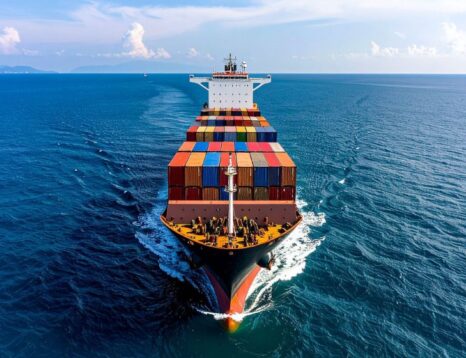
The return of selected shipping services to the Suez Canal is becoming an important development for global trade in 2026. After nearly two years of widespread diversions around the Cape of Good Hope due to Red Sea security concerns, major shipping lines are gradually reconsidering their traditional Asia–Europe shipping routes.
In August 2026, the Suez Canal recorded 1,358 vessel transits, a 27% increase compared with August 2025. However, the recovery remains partial, as shipping companies continue to assess security risks before changing their routes.
For freight forwarders, this shift could influence transit times, shipping costs, vessel capacity and cargo planning. Understanding the latest Suez Canal shipping updates 2026 is therefore essential for businesses managing international shipments.
Suez Canal Services Return: What Is Changing in 2026?
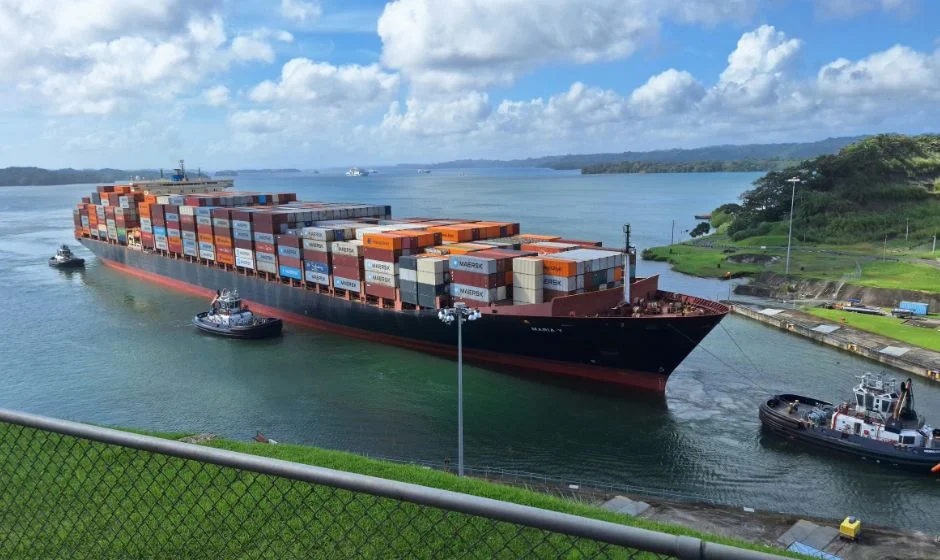
Several major shipping lines have started restoring selected services through the Suez Canal and Red Sea corridor.
In July 2026, Maersk and Hapag-Lloyd began returning certain services under their Gemini Cooperation network. In August, they announced additional changes, including the return of the AE19 service connecting Asia, the Mediterranean and Europe. Meanwhile, MSC has also restored Suez transit on selected services between Asia and the Mediterranean.
These developments indicate a gradual recovery rather than a complete return to pre-disruption operations. Some services continue to sail around the Cape of Good Hope, reflecting the different security assessments and operational strategies of individual carriers.
The Suez Canal route reopening is therefore best understood as a service-by-service transition, not a universal change across the shipping industry.
What Does the Shift Mean for Asia–Europe Freight Forwarding?
1. Potentially Shorter Freight Transit Times
The Suez Canal offers a shorter maritime connection between Asia and Europe than the alternative route around southern Africa. Returning to this corridor can reduce sailing distances and help carriers restore more efficient schedules.
For freight forwarders, shorter journeys may improve delivery planning and inventory management. However, actual freight transit time via the Suez Canal will depend on the origin and destination ports, vessel schedules, port congestion and security arrangements.
2. Changes in Shipping Costs and Freight Rates
Rerouting vessels around Africa increases sailing distances and can raise fuel consumption, operating expenses and equipment requirements. A return to Suez may help carriers reduce some of these costs.
Nevertheless, lower operating costs do not automatically translate into lower freight rates. Rates will also depend on market demand, available vessel capacity, fuel prices, surcharges and carrier pricing strategies.
Freight forwarders should compare complete quotations, including applicable security-related charges and other surcharges, rather than selecting a route based on distance alone.
3. Greater Flexibility in Cargo Planning
As more services return to the Suez corridor, importers and exporters may gain additional routing options for shipments between Asian manufacturing hubs and European markets.
Freight forwarders should review service schedules, transshipment arrangements, cut-off dates and estimated arrival times before recommending a route. Businesses shipping time-sensitive goods should also maintain contingency plans in case security conditions change.
4. Red Sea Shipping Disruptions Remain a Key Concern
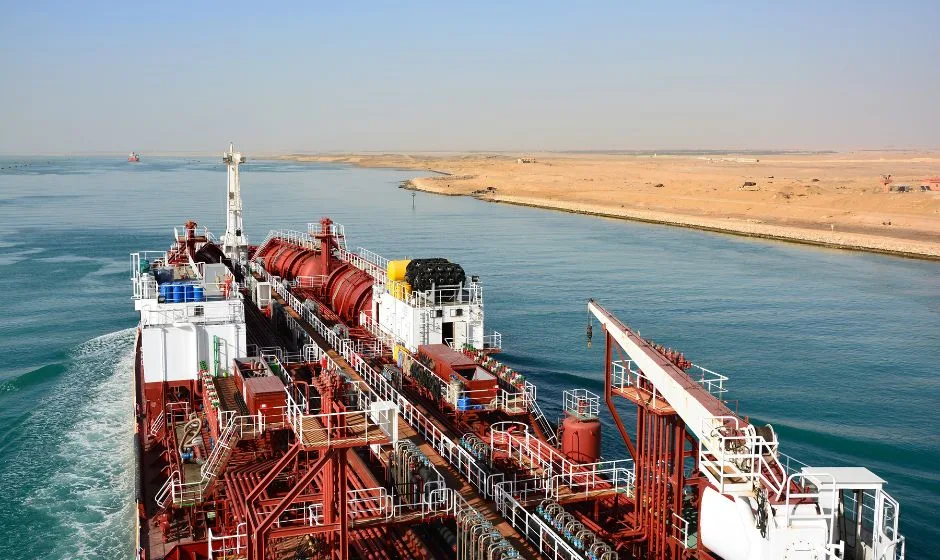
Despite the gradual return, Red Sea shipping disruptions remain an important risk for international logistics. Shipping companies must consider crew safety, vessel security and changing regional conditions before committing to the route.
Hapag-Lloyd confirmed in September 2026 that its planned SE1 service transition would involve security reviews for each passage, with transits coordinated alongside relevant authorities and security partners. The company also clarified that this did not represent a full network-wide return to the Red Sea.
Freight forwarders should therefore communicate realistic delivery windows and prepare alternative routing options for customers.
5. What Freight Forwarders Should Do Next
The changing situation creates opportunities for freight forwarders to improve shipment planning and customer service.
Practical steps include:
- Monitor carrier announcements: Check the latest Suez Canal shipping updates 2026 before confirming bookings.
- Compare alternative routes: Evaluate Suez and Cape of Good Hope options based on transit time, total cost and risk.
- Communicate proactively: Inform customers about schedule changes, potential delays and applicable surcharges.
- Review cargo insurance: Confirm coverage requirements and exclusions for shipments passing through higher-risk regions.
- Track capacity and rates: Follow changes in vessel availability, equipment positioning and demand across Asia–Europe shipping routes.
These measures can help freight forwarders respond to changing market conditions while maintaining reliable service for customers.
Conclusion
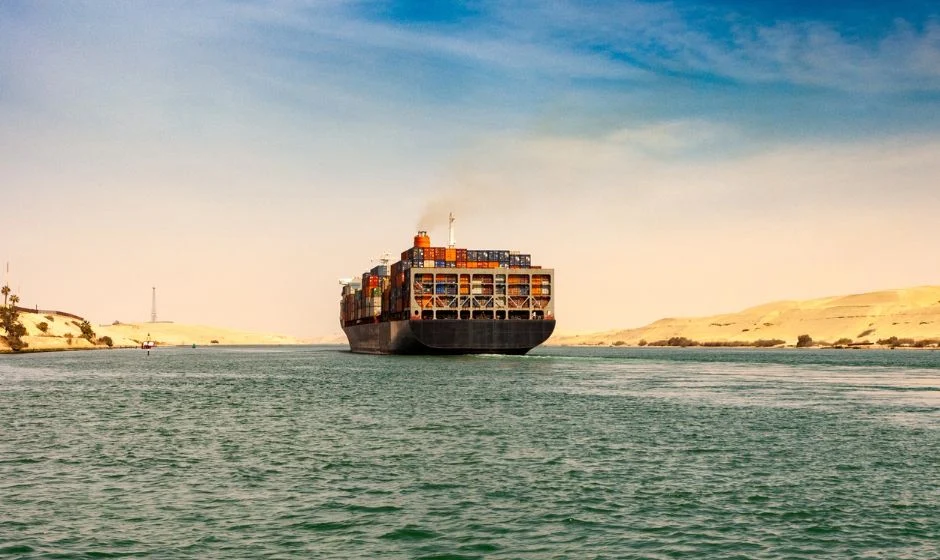
The return of selected services to the Suez Canal is an important development in global freight forwarding trends 2026. Increasing vessel movements and the gradual restoration of major carrier services suggest that the traditional Asia–Europe corridor is regaining importance.
However, the recovery remains selective, and security considerations continue to influence routing decisions. Freight forwarders should avoid assuming that every service will return to Suez or that freight rates will immediately decline.
A flexible approach that combines current carrier information, transparent customer communication and alternative routing plans will be essential as the shipping industry continues to adapt.
Frequently Asked Questions (FAQs)
Shipping companies are reconsidering the route because it offers a shorter connection between Asia and Europe, potentially reducing sailing time and operating costs. Decisions remain dependent on security assessments.
Selected services have returned, but a complete industry-wide return has not occurred. Individual carriers continue to make route decisions based on operational requirements and security conditions.
The shorter route may reduce certain operating costs, but freight rates also depend on demand, available capacity, fuel prices, surcharges and carrier pricing policies. Immediate rate reductions are not guaranteed.
It can shorten sailing times compared with routing around the Cape of Good Hope. Actual delivery times depend on vessel schedules, port calls, transshipment, congestion and security-related delays.
Freight forwarders should check carrier service announcements, confirmed routing, estimated transit times, applicable surcharges, cargo insurance conditions and the latest security advisories.