In today's fast-moving world, businesses expect products to reach customers quickly, safely, and cost-effectively. Behind every successful international delivery is a team of logistics experts working tirelessly to coordinate transportation, documentation, customs compliance, and tracking. This is where freight forwarding services play a critical role.
But what really happens behind the scenes? Let's take a closer look at a typical day inside a modern freight forwarding company and discover how freight forwarding works in today's interconnected global economy.
Starting the Day: Planning Global Shipping and Logistics
Every day begins with reviewing shipment schedules, transportation updates, and market conditions. With ongoing changes in global trade routes, port congestion, fuel costs, and customs regulations, staying informed is essential.
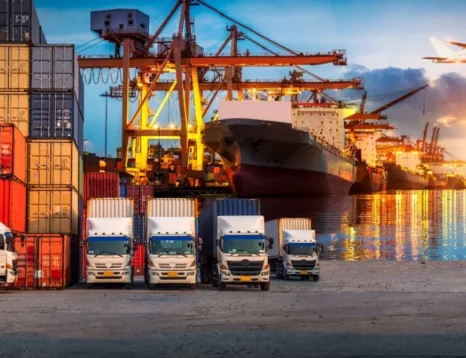
Our operations team monitors shipments across multiple countries and transportation modes, including air freight, ocean freight, rail, and trucking. Effective global shipping and logistics management requires real-time visibility and quick decision-making to avoid delays and disruptions.
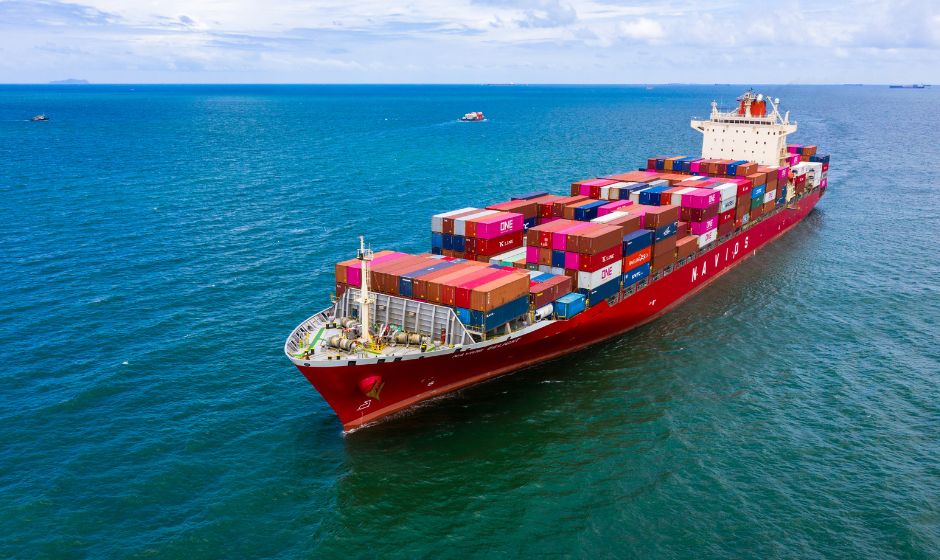
Coordinating International Shipments
As an international freight forwarder, our primary responsibility is to move cargo efficiently from origin to destination.
The process starts when a client requests transportation for their goods. We evaluate the shipment's size, weight, destination, timeline, and budget to determine the best shipping solution. Once the route is planned, we coordinate with carriers, airlines, shipping lines, and trucking partners to secure space and schedule transportation.
This level of coordination ensures smooth cargo transportation services while helping businesses reduce costs and improve delivery performance.
Managing Import and Export Logistics
One of the most important parts of our daily operations is handling import and export logistics.
International shipments involve extensive documentation, including commercial invoices, packing lists, certificates of origin, and customs declarations. Our specialists ensure all paperwork is accurate and compliant with local and international regulations.
With customs authorities worldwide increasingly adopting digital systems and stricter compliance measures, attention to detail has become more important than ever. Proper documentation helps prevent delays, penalties, and unexpected costs.
End-to-End Shipping Management in Action
Modern freight forwarding is much more than simply booking transportation. It involves complete end-to-end shipping management.
From pickup at the supplier's warehouse to final delivery at the customer's location, every stage must be monitored and coordinated. Teams work together to manage warehousing, consolidation, customs clearance, transportation, and last-mile delivery.
Technology now plays a major role in this process. Advanced logistics platforms provide real-time updates, automated alerts, and predictive analytics that help identify potential issues before they affect delivery schedules.
Global Shipment Tracking and Coordination
Customers today expect full visibility into their shipments. That's why global shipment tracking and coordination have become a key part of freight forwarding operations.
Throughout the day, our tracking specialists monitor cargo movements and respond to any unexpected changes. Whether it's weather-related disruptions, port delays, or transportation bottlenecks, proactive communication helps keep customers informed.
Real-time tracking technology enables businesses to plan inventory more accurately and improve customer satisfaction by providing reliable delivery updates.
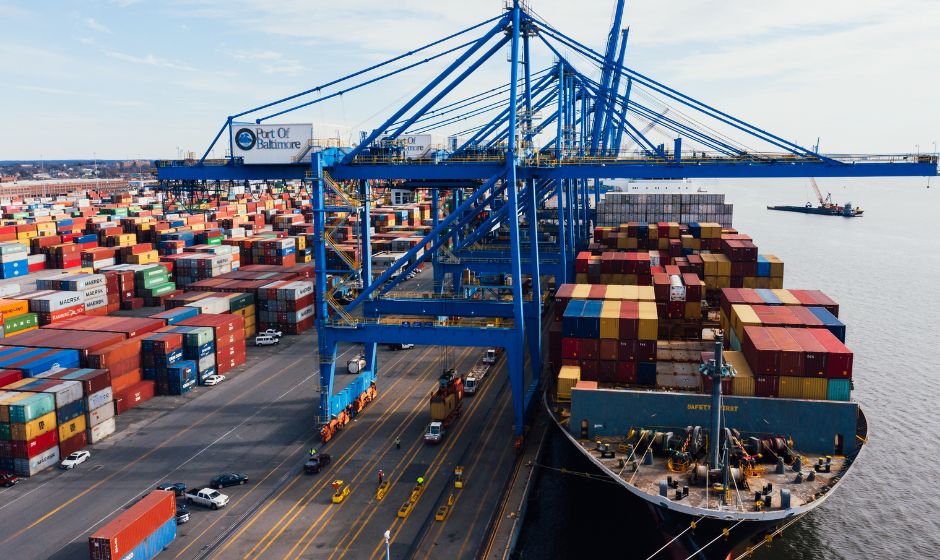
Supply Chain Management Solutions for Modern Businesses
Freight forwarding companies are increasingly becoming strategic partners rather than just transportation providers.
Many clients rely on us for comprehensive supply chain management solutions that improve efficiency across their entire logistics network. This includes inventory planning, route optimization, warehousing strategies, and risk management.
Supply chain resilience remains a major priority for businesses worldwide. Companies are increasingly looking for flexible logistics partners that can adapt quickly to changing market conditions, trade regulations, and global supply chain disruptions.
Behind the Scenes of Freight Forwarding: Solving Problems Every Day
No two days are exactly the same in logistics.
Unexpected challenges can arise at any time—from customs inspections and carrier schedule changes to weather disruptions and geopolitical events. The true value of Behind the Scenes of Freight Forwarding lies in our ability to solve these issues before they impact customers.
Our teams work across multiple time zones, communicating with suppliers, carriers, customs officials, and customers to keep shipments moving efficiently.
The Future of Freight Forwarding
As global trade continues to evolve, freight forwarding companies are embracing digital transformation, automation, and sustainability initiatives.
Artificial intelligence, predictive analytics, blockchain-based documentation, and enhanced visibility platforms are reshaping the industry. These innovations help improve efficiency, reduce costs, and create more reliable supply chains.
While technology continues to advance, the human expertise behind freight forwarding remains essential. Successful logistics management still depends on experienced professionals who can navigate complex global shipping environments.
Conclusion
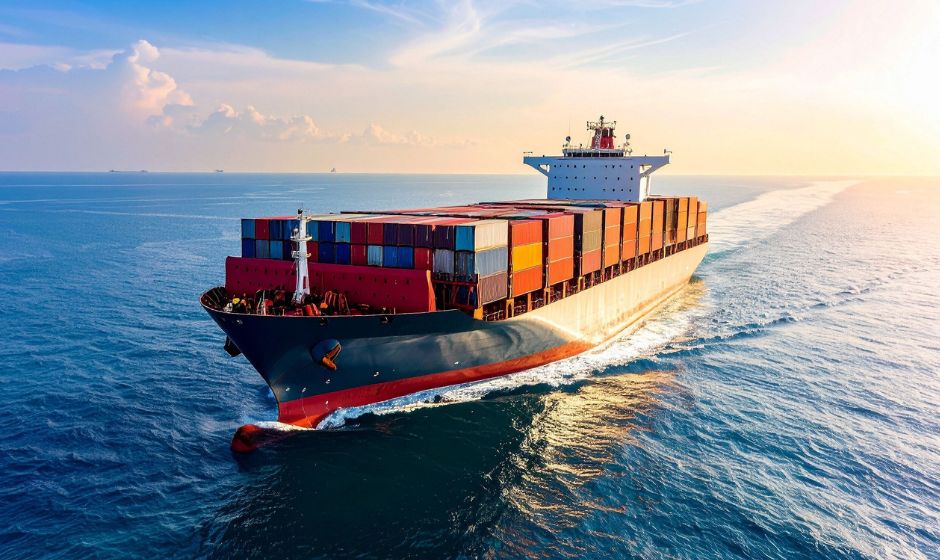
A freight forwarding company serves as the backbone of international trade, ensuring goods move seamlessly across borders and supply chains. Through expert planning, documentation, coordination, tracking, and problem-solving, freight forwarders help businesses compete in today's global marketplace.
From global shipping and logistics to end-to-end shipping management, every shipment involves a dedicated team working behind the scenes to deliver success.
Frequently Asked Questions (FAQs)
A freight forwarding company coordinates the transportation of goods internationally by managing shipping, documentation, customs clearance, warehousing, and delivery services.
Freight forwarding involves planning shipment routes, booking carriers, preparing documentation, managing customs procedures, tracking cargo, and ensuring delivery to the final destination.
Real-time tracking improves visibility, helps prevent delays, supports inventory planning, and keeps customers informed throughout the shipping process.
End-to-end shipping management covers every stage of the logistics process, from cargo pickup and transportation to customs clearance and final delivery.
Freight forwarders provide supply chain management solutions such as route optimization, inventory support, warehousing coordination, risk management, and transportation planning to improve efficiency and reduce costs.