The global battery industry is entering a more complex phase in 2026. Gigafactories are being built and expanded across major manufacturing regions, but producing batteries at scale is not simply a matter of installing production lines. Behind every gigafactory is a highly coordinated logistics network moving critical minerals, specialist machinery, hazardous materials, and finished battery products across borders.
The challenge is becoming more significant as governments and manufacturers attempt to build more resilient and localized battery supply chains. The International Energy Agency (IEA) notes that battery factories in Europe and the United States still depend heavily on imported battery components, with China remaining a major supplier.
Managing Raw Material Inbound Logistics
Lithium, cobalt, and nickel are fundamental inputs for many battery chemistries. Their movement from mines and processing facilities to gigafactories requires careful planning around availability, transport capacity, customs procedures, and geopolitical risks.
In 2026, supply-chain resilience has become an even greater priority. Asia continues to dominate the processing of several critical battery minerals, while countries in Europe and North America are attempting to develop alternative sources. Recent analysis highlights the importance of diversifying processing capacity while improving the emissions and traceability of mineral supply chains.
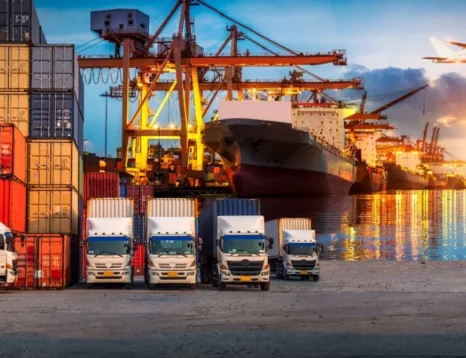
For logistics providers, this means creating reliable port-to-factory corridor optimization strategies. A shipment may pass through several ports, warehouses, and transport modes before reaching the production facility, making visibility and contingency planning essential.
Specialized Hazardous Materials Transport
Battery manufacturing involves materials that require specialized handling and transportation. Lithium-based materials and finished lithium-ion batteries are subject to dangerous-goods requirements, meaning logistics providers need appropriate packaging, documentation, trained personnel, and approved transport methods.
Battery cell shipping regulations (UN 38.3) are particularly important. Lithium cells and batteries must meet applicable testing requirements before being transported, with UN 38.3 remaining a key reference point in international dangerous-goods transport.
UNECE continues to review and develop requirements around lithium battery classification and testing.
This makes specialist freight expertise critical, especially when shipments cross multiple jurisdictions with different operational requirements.
Oversized Cargo and Construction-Phase Logistics
A gigafactory is essentially a major industrial construction project before it becomes a manufacturing facility. Production lines require large presses, coating machines, furnaces, clean-room equipment, transformers, and other specialized machinery.
The oversized and overweight cargo handling involved can require route surveys, permits, escorts, temporary road modifications, and specialized lifting equipment.
At the same time, construction-phase logistics coordination must ensure that building materials, machinery, and contractors arrive in the correct sequence. Delivering equipment too early can create storage problems, while late deliveries can delay commissioning.
Once construction progresses into installation, production line equipment transportation becomes particularly time-sensitive because individual machines may need to arrive according to installation schedules.
Just-in-Time Logistics for Battery Production
After a gigafactory begins operations, logistics changes from project-based delivery to continuous production support.
Battery manufacturers often require just-in-time delivery to production schedules because raw materials and components need to reach production areas at specific times. Delays can disrupt manufacturing lines and create significant costs.
This places greater pressure on transport visibility, inventory planning, and supplier coordination. Logistics teams must monitor shipments from origin through ports, customs, warehouses, and final delivery while maintaining contingency options for disruptions.
Warehouse Capacity at Manufacturing Sites
Gigafactories require a careful balance between keeping sufficient inventory and avoiding excessive storage.
Warehouse capacity at manufacturing sites can become a major constraint because battery-related materials may have specific storage, safety, and environmental requirements. Limited space can create bottlenecks between inbound freight and production.
For this reason, manufacturers are increasingly looking beyond the factory itself and considering regional distribution centers, temporary storage facilities, and strategically positioned logistics hubs.
ESG Compliance in Material Sourcing Logistics
Logistics is also becoming part of the sustainability conversation.
ESG compliance in material sourcing logistics increasingly requires companies to understand where critical minerals originate, how they are processed, and what environmental and social impacts are associated with their supply chains.
The EU Batteries Regulation is pushing the industry toward greater traceability, lower carbon footprints, responsible sourcing, and circularity.
This trend is particularly relevant for nickel and other energy-intensive materials. Recent reporting has highlighted concerns about the emissions intensity of Indonesia's rapidly expanding nickel-processing industry, increasing pressure for more transparent and lower-emission supply chains.
A More Strategic Role for Freight Networks
The logistics challenge behind gigafactories is therefore much broader than simply moving cargo from one location to another. Freight networks need to connect raw-material suppliers, ports, customs authorities, warehouses, equipment manufacturers, and production facilities into one coordinated system.
Recent restrictions affecting battery recycling materials demonstrate how quickly policy can influence logistics routes. In August 2026, the United States announced restrictions on exports of certain used critical minerals, including battery-related “black mass," while the EU is also moving toward tighter controls on some black-mass exports.
For gigafactory operators, this means supply chain planning must account for regulation, sustainability, geopolitical developments, and infrastructure constraints alongside traditional freight considerations.
As battery manufacturing expands, the strongest logistics strategies will be those that provide flexibility as well as efficiency. Reliable freight networks can help manufacturers reduce delays, improve inventory control, manage compliance, and keep production moving—even when global supply chains change rapidly.
Frequently Asked Questions (FAQs)
Gigafactories depend on continuous supplies of raw materials, components, and specialized equipment. Effective logistics helps prevent production delays and manages complex international supply chains.
Lithium, nickel, and cobalt are among the key materials used in many lithium-ion battery chemistries. Their sourcing and transportation require careful supply-chain planning.
UN 38.3 refers to testing requirements for lithium cells and batteries under the UN Manual of Tests and Criteria. Compliance is an important part of safely transporting lithium batteries.
Gigafactory construction and production lines require large industrial machines and equipment. These shipments may need specialized vehicles, route planning, permits, and lifting operations.
Manufacturers increasingly need greater visibility into the environmental and social impacts of material sourcing. Regulations such as the EU Batteries Regulation are making traceability, carbon footprint, and responsible sourcing more important across the battery value chain.